A historic Black cemetery on Florida's Gulf Coast has been vandalised in an attack that left graves damaged, headstones overturned and the names 'Trump' and 'DeSantis' spray-painted across burial sites. For families with relatives buried there, the desecration has landed as something uglier than ordinary vandalism. It struck a place tied to memory, race and local history.
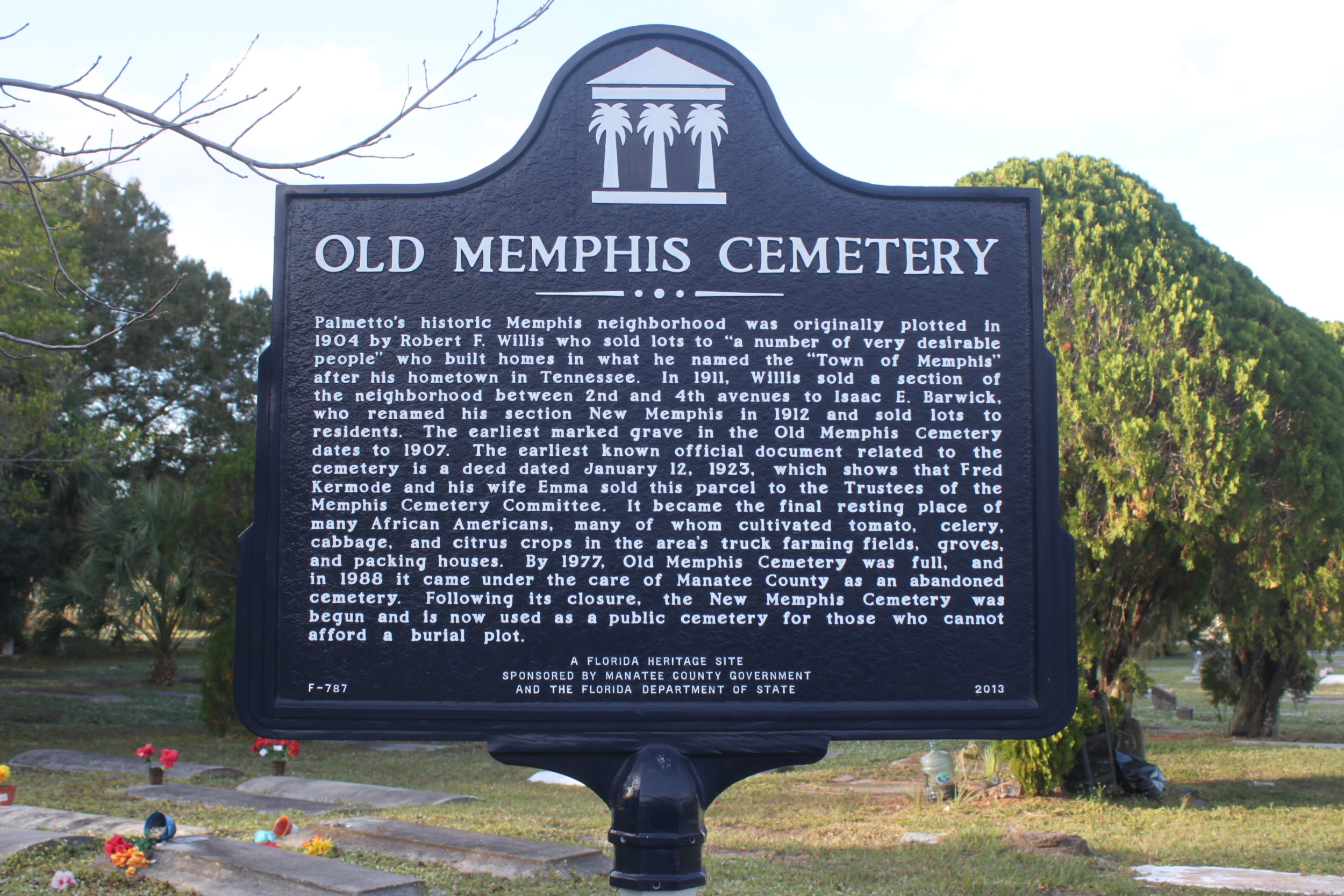
In an official release, authorities in Palmetto are investigating damage at Old Memphis Cemetery, a burial ground established in 1904 for Black residents of the city's historic Memphis neighbourhood. Detectives with the Manatee County Sheriff's Office said 17 gravesites were damaged, with broken headstones, shattered concrete and red spray paint scrawled across tombs.
The graffiti included references toPresident Donald TrumpandFlorida Governor Ron DeSantis. Investigators believe at least some of the vandalism dates back to March, suggesting the destruction may have gone unnoticed for weeks.
Old Memphis Cemetery holds generations of Black families connected to Palmetto's historically African American Memphis community, formed during segregation when Black residents were denied equal access to burial grounds and public services.
What makes this incident especially disturbing is not simply the physical destruction but where it happened. Cemeteries carry emotional weight in every community, but historically Black burial sites in the American South also represent continuity through eras of exclusion, violence and displacement.
For relatives visiting the graves, the sight was jarring.
Glenn Searls, 77, whose family members are buried at the cemetery,told Reutershe felt 'extreme anger' after seeing the damage. 'When you look and you see "DeSantis" and "Trump" spray-painted on a vault, it makes you wonder if it's politically motivated, and I tend to believe it is,' he said.
Another visitor, Edrena Love Freeman, discovered her father's headstone had been moved. Standing beside the grave of her father, a World War II veteran who died in 1970, she described the vandalism bluntly. 'I just thought it was evil, it's just not right.'
Investigators have not publicly identified suspects or confirmed a political motive. No arrests have been made.
Still, the names painted across the graves have inevitably pulled the case into America's deeply polarised political climate. The vandalism arrives during another combustible election cycle in the United States, where political branding increasingly bleeds into public hostility and symbolic acts of intimidation.
Source: International Business Times UK
