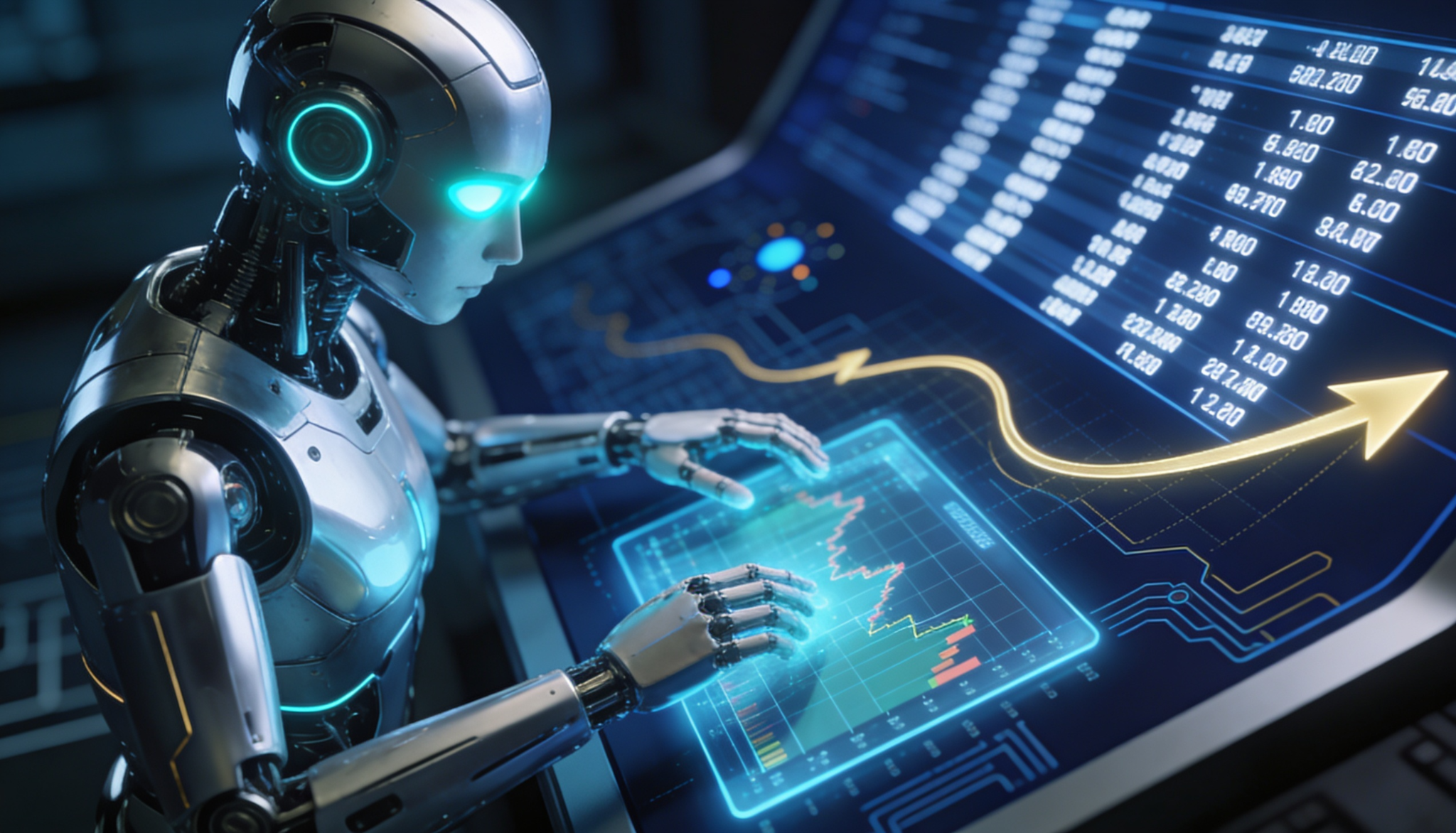
AI stock trading bots are becoming a core part of modern trading because they solve three practical problems: speed, consistency, and market coverage.
A human trader can follow only a limited number of charts at once. An AI stock trading platform can scan thousands of stocks, detect unusual movement, test strategies, trigger alerts, and help automate execution. This is why AI trading tools are now used by beginners, active traders, quant researchers, and portfolio-focused investors.
The growth is also supported by market data. Mordor Intelligence estimates the algorithmic trading market at$20.23 billion in 2026, with projected growth to$29.54 billion by 2031. Grand View Research estimates the global AI trading platform market at$11.23 billion in 2024, projected to reach$33.45 billion by 2030.
This guide reviews 13 of the best AI stock trading bots and automated stock trading platforms in 2026, covering AI scanners, no-code bots, quant platforms, broker APIs, signal engines, and strategy automation tools.
🎁Register to receive new user rewards
The best AI stock trading bots are not just automatic buy-and-sell tools. They help traders build a more structured process around stock selection, signal generation, execution, and portfolio management.
Most platforms fall into one of five categories:
That is why the best AI stock trading bot depends on the trader's goal. A day trader may need real-time stock alerts. A swing trader may need automated technical analysis. A developer may need API access. A beginner may need a guided platform with fewer technical settings.
BulkQuant is positioned for traders who want a more automated, quant-style approach to stock trading. Instead of focusing only on manual chart reading, it fits users who want AI-driven trading workflows that can support stock selection, strategy execution, and portfolio-level decision-making.
For traders searching for an AI stock trading bot in 2026, BulkQuant is especially relevant because the market is moving toward systematic trading. Many users no longer want to guess from charts alone. They want platforms that can process market data, identify trading conditions, and support more consistent execution.
Source: International Business Times UK
