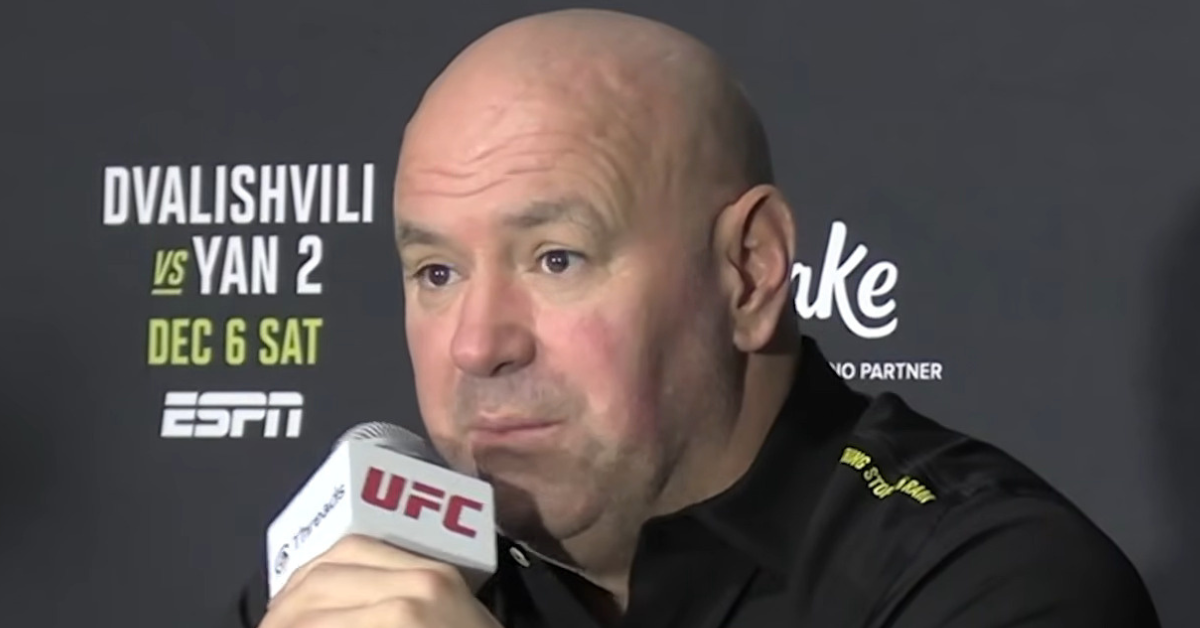
UFC CEO Dana White sat down withNPR‘s Steve Inskeep this week ahead of the promotion’s upcoming White House fight card, set for the South Lawn on June 14. The conversation covered immigration, masculinity, and the sport’s cultural rise — but the sharpest exchange came when Inskeep turned the subject to the brain.
White did not dodge the question. On brain damage in MMA, also called CTE, the UFC president said:
“Yeah, it’s an inevitable side effect of this business. When you get punched in the head, it’s not good for you, and everybody going into this knows it’s not.”
It is a statement that is hard to argue with, and White did not try to soften it. He framed the risk as a known condition of entry, something every fighter accepts when they sign the contract. He pointed to his own past in boxing as evidence he understands it personally, not just from the boardroom.
“I did it, and at that time in my life, I wouldn’t take back one punch now or one second of any of that. It’s what I was super passionate about when I was younger. I absolutely loved it and I wouldn’t change a thing.”
In a 2024 interview withTIME magazine, White disclosed that he had undergone a brain scan and received results that confirmed physical damage. “I have black spots all over my brain from what I did,” he said at the time. “I wouldn’t take back one punch.” He has made this point consistently across multiple interviews: passion justifies the cost, and adults are entitled to make that choice.
Inskeep pressed White on why he walked away from fighting himself, given his stated acceptance of the risks. The answer was frank.
“What happens is one day I realized I wasn’t it. I think the hard part in this business is, I’ve known a lot of guys throughout the years who didn’t realize that and stuck around too long, longer than they should have.”
White compared it to a minor league baseball player or an NFL hopeful who has to decide when to pull the rip cord. His own exit from boxing, he said, was not about fear of injury, it was the recognition that he was never going to be a title contender.
“You wouldn’t have seen me fighting in a title fight, and you weren’t going to see me be Rocky.”He sees a distinction between fighters who leave at the right time and those who overstay because the money runs out or the ego resists accepting decline. He acknowledged that having those conversations with fighters, telling them their time is done, is a regular part of his job.
Source: LowKickMMA.com
