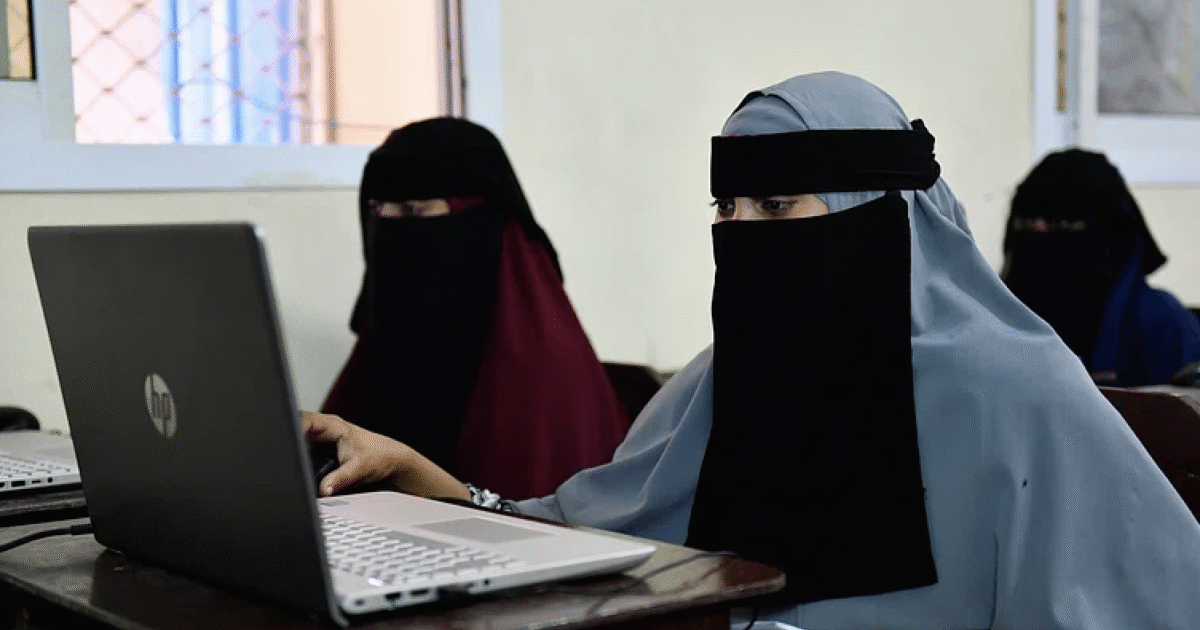
A new shocking study on Muslim youth attitudes in Austria’s capital is intensifying debate across Europe over integration, identity, and the long-term social impact of migration, as demographic changes continue to reshape the continent’s major cities.
The research, commissioned by the city of Vienna and led by sociologist Kenan Güngör, surveyed 1,200 young people between the ages of 14 and 21. Its findings, according to areportby the Austrian newspaper Der Standard, have been described by the authors as “very worrying,” particularly regarding attitudes toward law, democracy, and social norms.
The most striking finding, by far, is that 41 percent of Muslim youth surveyed said they believe religious law—that being Sharia Law—should take precedence over Austrian law. Among Christian respondents, that figure was significantly lower, at 21 percent.
These results come amid a profound demographic shift in Vienna, where Muslim children now account forroughly 40 percentof students in compulsory schools, making them the largest religious group among younger generations.
“This Is Displacement, Not Immigration”: Muslims Now Majority in Vienna Schools as Freedom Party Sounds Alarm Over ‘Great Replacement’
Vienna is not an isolated case. Across Western Europe, demographic trends are steadily transforming the composition of urban populations, particularly among the young.
In several major cities, names associated with Muslim heritage—most notably variations of “Muhammad”—have risen sharply in birth registries. In parts of the United Kingdom, for example, Muhammad has ranked among the most common boys’ names for years.
Similar patterns have been observed in countries such as France, Belgium, and the Netherlands, where urban birth data reflects increasing diversity among newborn populations. While naming trends alone do not define identity, they are often cited as indicators of broader demographic change.
These shifts are occurring alongside continued migration flows over the past decade. Against this backdrop, the Vienna study raises questions about how integration is unfolding in practice. Researchers found that religion plays a far more central role in the identity of Muslim youth compared to their peers.
This is reflected in daily life: 65 percent of respondents said religious rules should govern all aspects of behavior, while more than a third believe those rules should apply broadly across society.
Source: The Gateway Pundit
