Palm Beach County's roads are built for the everyday: school runs, late shifts, supermarket stops in the heat. They are not built for disbelief. And yet that is what settled over one stretch of tarmac this week, when a routine traffic stop left a disabled woman staring at an accusation she physically could not understand.
She does not have a right hand.
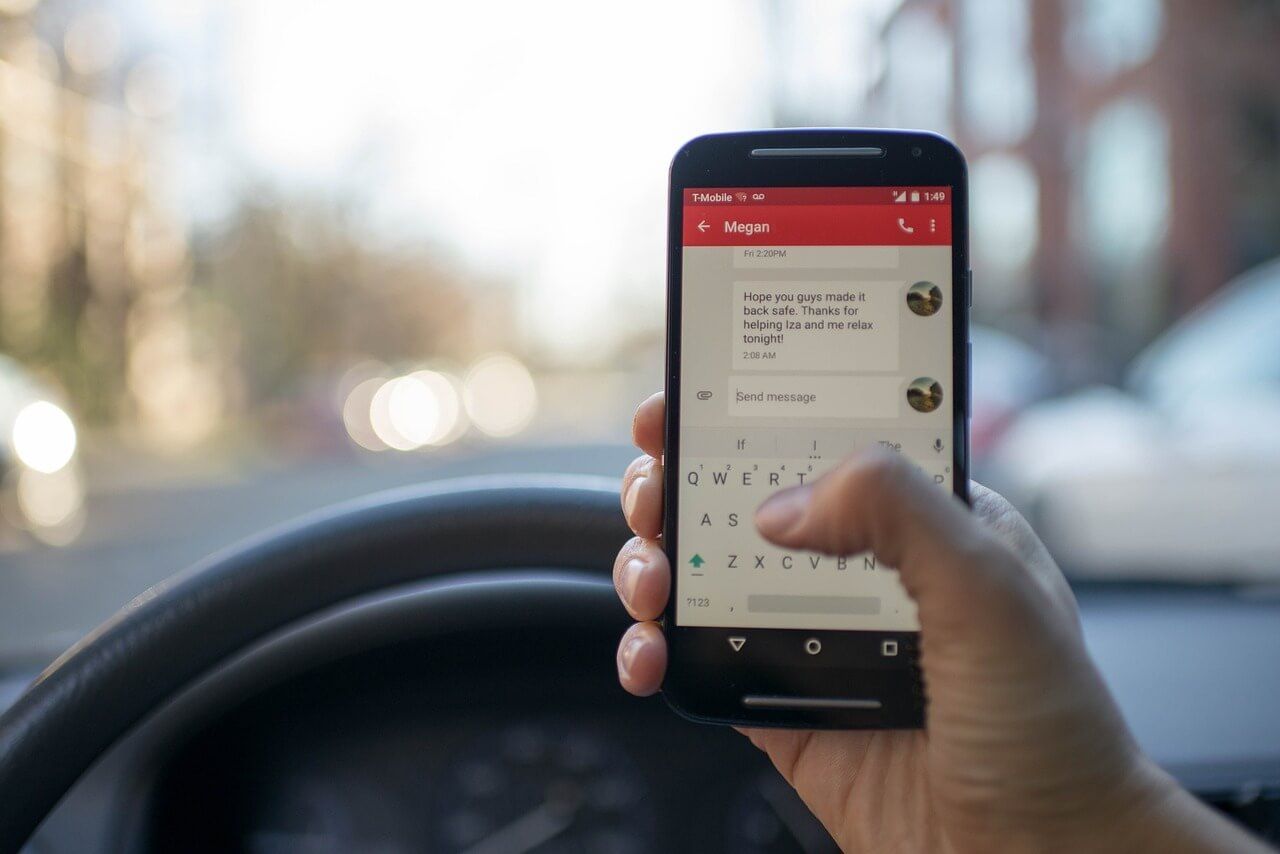
The woman was pulled over by a deputy from thePalm Beach County Sheriff's Officeafter allegedly being seentexting while driving. According to the citation, she was holding a mobile phone in her right hand behind the wheel — a violation of Florida's distracted driving laws.
There is a blunt, human problem with that claim.
Her right arm ends below the wrist.
In the video she later shared online, her voice is steady but edged with disbelief as she lifts her arm into frame, showing the absence that should have made the stop impossible in the first place. 'I don't have a right hand,' she says, not theatrically, not angrily — simply stating a fact about her own body.
Traffic stops are rarely personal in the beginning. They are procedural, brisk. An officer believes they have seen something; a blue light flashes; paperwork follows. But this one became personal almost immediately.
But she tried to explain. She showed her arm. The allegation, she said, was that she had been holding her phone in her right hand. The implication hung in the air: how?
The deputy has not publicly spoken in detail about what he believed he saw. It is possible — as in many roadside encounters — that a brief movement was misinterpreted. A glance through the glass. A shadow. A split-second assumption. But for her, the explanation feels secondary to the experience itself.
Being told you did something is one thing. Being told you did something your body does not allow is another entirely.
Source: International Business Times UK
