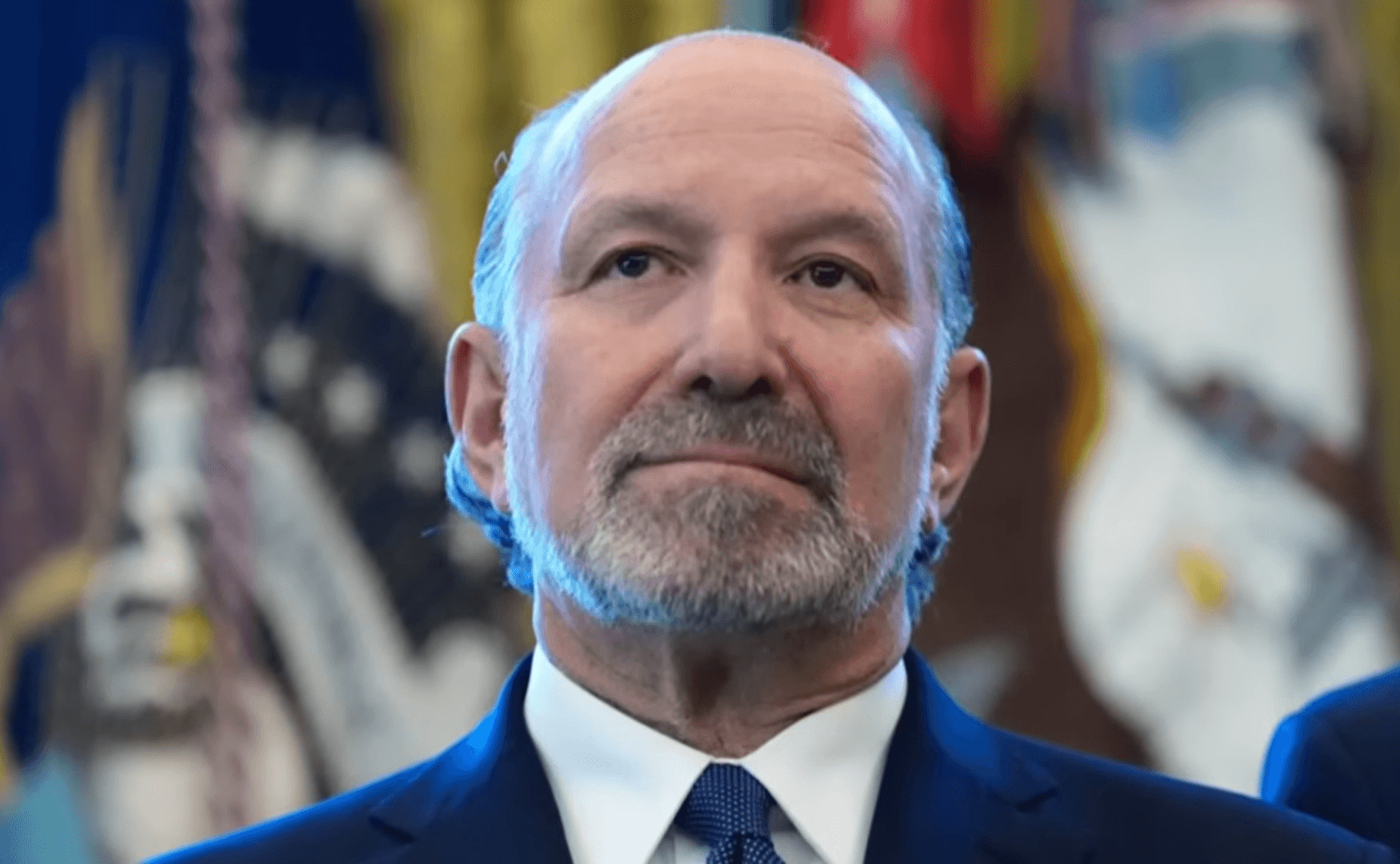
Billionaire power is not supposed to fray at the edges. It implies control, foresight, and an instinct for risk. Yet this week in Washington, control has given way to contradiction — and foresight to fallout.
In late January, the US Department of Justice released another cache of documents from its long-running investigation into convicted sex offender Jeffrey Epstein. Buried in the thousands of pages — emails, diary entries, travel records — was a familiar and politically explosive name:Howard Lutnick, the billionaire serving as US Secretary of Commerce.
For years, Lutnick has said he cut ties with Epstein in 2005 after what he described as an unsettling encounter. The new records tell a more complicated story.
According to documents released by the Department of Justice, Lutnick's contact with Epstein appears to have continued after 2005. Correspondence and scheduling records suggest meetings in the years that followed — including a2012 visit to Epstein's private Caribbean islandwith family members.
There is no allegation in the files that Lutnick committed a crime. That distinction is critical. But the political damage lies elsewhere: in the gap between what was previously stated and what is now documented.
In politics, contradiction is often more corrosive than accusation.
If contact continued, why frame the relationship as definitively severed? Was it an imprecise memory? A narrowing of definitions? Or a misjudgement about how much detail might one day surface?
Those questions now echo far beyond the island itself.
Lutnick is not an obscure official. Before entering government, he built his fortune running Cantor Fitzgerald, becoming one ofWall Street's most recognisable executives. His wealth — widely estimated in the billions — is part of his public identity.
When he was confirmed as Commerce Secretary in 2025, he moved from financial power to federal authority, overseeing trade policy, technology export controls, and economic strategy.
Source: International Business Times UK
