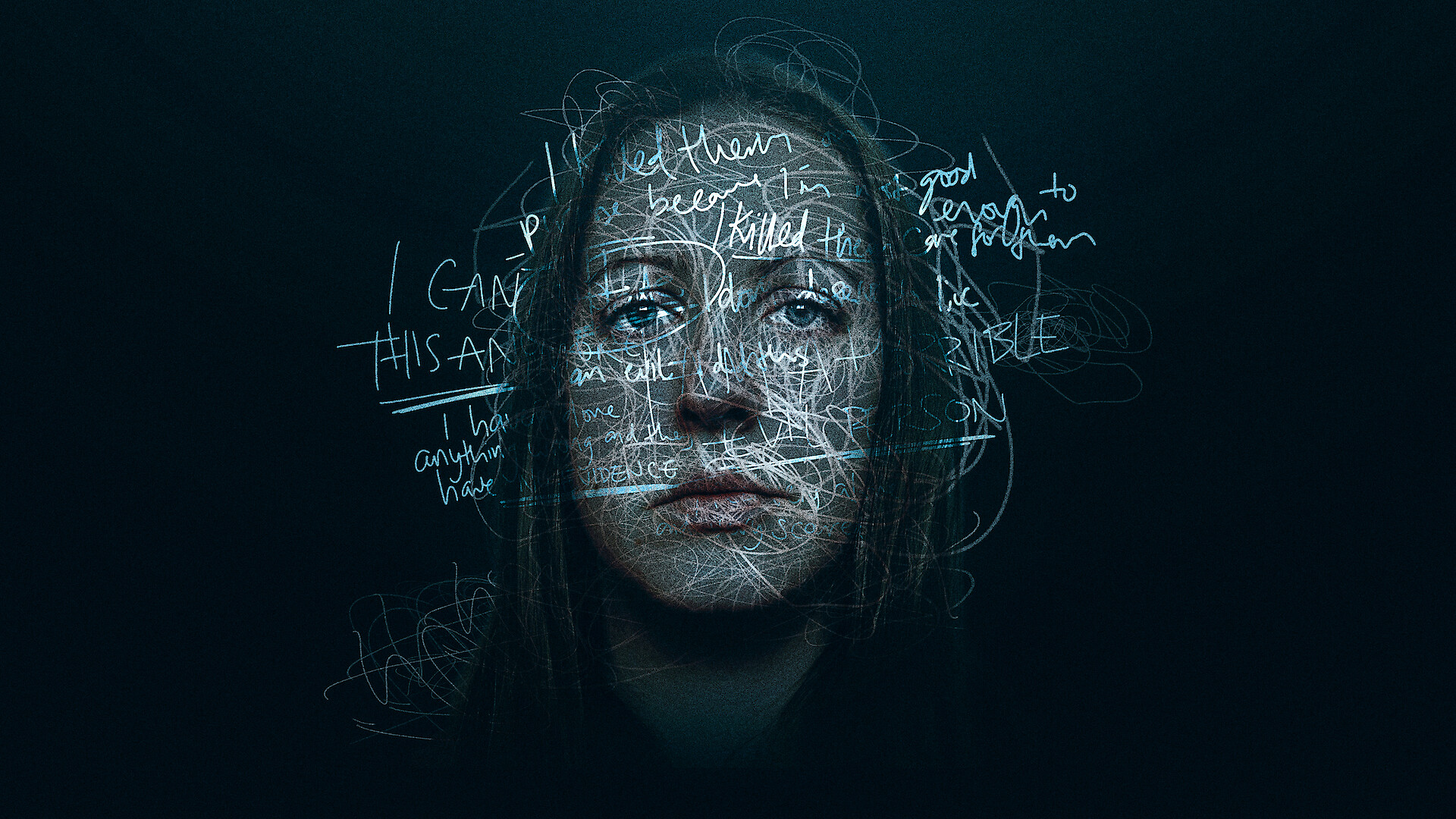
The neonatal unit at the Countess of Chester Hospital was never meant to be the backdrop for a global debate. It is a place of hushed voices and fragile hope, where parents watch monitors as if willing numbers to hold steady. Yet this week, that quiet clinical space has been pulled back into the glare — not by a courtroom, but by Netflix.
With the release of 'The Investigation of Lucy Letby',the case of Lucy Letbyhas resurfaced in living rooms around the world. Letby was convicted in 2023 of murdering seven babies and attempting to murder others, and is serving whole-life sentences. Legally, the matter is settled. Emotionally and culturally, it appears not to be.
The question now hovering over the documentary is an uncomfortable one: are we witnessing careful re-examination — or trial by documentary?
The film walks viewers back through the timeline: the unexplained collapses, the statistical patterns that alarmed consultants, the police investigation, and the prosecution's case built on complex medical evidence. It includes arrest footage and interviews with investigators. It also gives space to voices that question aspects of how that evidence was interpreted.
That balance is deliberate. But balance in a documentary does not operate the same way it does in court.
In a courtroom, evidence is tested under strict rules. Jurors are directed on how to approach it. Speculation is tightly controlled. On a streaming platform, however, viewers are left to process what they see without legal guardrails. Editing shapes emphasis. Music shapes mood. The order of interviews shapes interpretation.
None of that is inherently improper. It is simply different.
Yet when a case involving the murder of infants is reframed for a global audience, 'different' carries weight.
A jury numbers twelve.Netflixnumbers in the millions.
That scale matters. International viewers encounter the case without having followed months of daily court reporting. They meet it as a two-hour narrative — tightly constructed, emotionally charged, impossible to ignore. For some, it will reinforce the horror of the crimes and the gravity of the conviction. For others, it may introduce uncertainty where there was none before.
Source: International Business Times UK