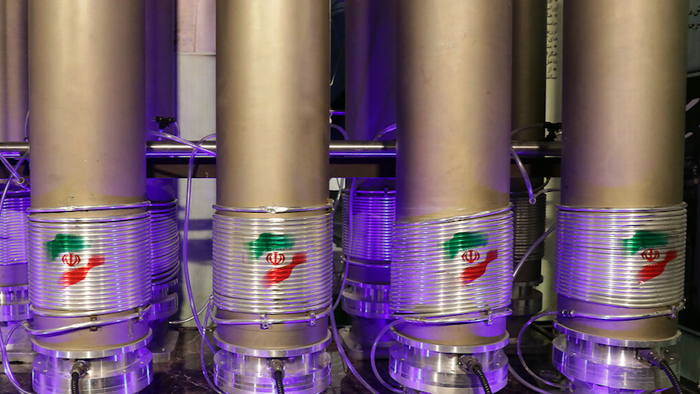
In a surprising diplomatic overture amid escalating tensions, Iran has proposed diluting its stockpiles of highly enriched uranium in exchange for the complete lifting of all U.S. sanctions, signaling a potential thaw in nuclear negotiations long stalled since the collapse of the 2015 Joint Comprehensive Plan of Action (JCPOA). Iranian Foreign Minister Abbas Araghchi announced the offer during a press conference in Tehran, stating that the Islamic Republic is willing to return to pre-2018 enrichment levels—capping at 3.67%—if Washington rescinds every economic penalty imposed over the past decade. This move comes as Iran's uranium enrichment program has advanced to near-weapons-grade levels, with inspectors from the International Atomic Energy Agency (IAEA) reporting stockpiles exceeding 60% purity, enough for several nuclear devices if further processed.
The proposal outlines a phased approach: Iran would immediately begin diluting its 60% enriched uranium under IAEA verification, followed by a gradual reduction of its overall stockpile to JCPOA-compliant limits within six months. In return, the U.S. would need to lift sanctions on oil exports, banking access, and frozen assets totaling over $100 billion, according to Iranian estimates. Araghchi emphasized that this "grand bargain" addresses Tehran's economic grievances while addressing Western security concerns, but he warned that failure to reciprocate could prompt Iran to accelerate its program toward 90% enrichment. The offer revives echoes of the 2015 deal brokered under President Obama, which Trump abandoned in 2018, citing its inadequacy in curbing Iran's ballistic missile development and regional proxies.
U.S. officials responded cautiously, with State Department spokesperson Matthew Miller describing the proposal as a "starting point" but insisting on "ironclad, verifiable commitments" beyond mere dilution, including restrictions on Iran's support for groups like Hezbollah and the Houthis. Israeli Prime Minister Benjamin Netanyahu swiftly condemned the overture as a "dangerous trap," arguing that partial concessions would embolden Tehran without dismantling its nuclear infrastructure. Meanwhile, European allies, including France and Germany, expressed guarded optimism, urging a return to Vienna talks that faltered in 2022. Analysts note that Iran's economy, battered by sanctions with inflation soaring above 40% and the rial plummeting, may be driving this concession, especially after recent setbacks to its allies in Syria and Gaza.
Experts remain divided on the offer's viability. Proponents, such as former JCPOA negotiator Wendy Sherman, argue it could de-escalate risks of military confrontation, given Iran's breakout time to a bomb has shrunk to weeks. Skeptics, including the Foundation for Defense of Democracies, highlight Iran's history of covert activities, like undeclared nuclear sites exposed in 2002, and demand "sunset-free" restrictions. With the U.S. presidential election looming and Republican hawks dominating Congress, any deal faces steep political hurdles. Yet, the proposal underscores a mutual exhaustion in the shadow war—cyberattacks, assassinations, and proxy clashes—that has defined U.S.-Iran relations.
As diplomats weigh the stakes, this gambit could redefine Middle East security or collapse into recriminations. Iran's willingness to dilute—reversing years of defiance—tests America's post-Afghanistan credibility on nonproliferation, while exposing the limits of maximum pressure sanctions that have failed to halt enrichment. Whether this leads to breakthroughs or breakdowns, the world watches a high-stakes poker game where the chips are centrifuges and oil barrels.