Every day, workers at a garbage transfer station near Yellowstone National Park clock in with a troubling question on their minds.Will today be the day we inhale a freshly exploded can of bear spray?
Garbage from Yellowstone gateway communities, such as Gardiner and Cooke City, is collected throughout Park County in Montana before it ends up at the transferstation.Here, in this rugged and rural area, around 18,000 locals and millions of tourists are encouraged to carry bear spray — cans of high-powered, long-distance pepper spray meant to deter a charging bear — when they’re hiking, biking or exploring the woods. Bear spray costs roughly $40 a can, and itworksby temporarily blinding bears and causing them to choke and cough, stopping a charge before it can result ininjuryor death.
But at the end of a trip to Yellowstone, visitors who bought bear spray as a precaution find themselves with a problem. Bear spray, a flammable aerosol, isn’tallowedon airplanes. And for travelers who drove, the spray likely isn’t necessary back home. Many people don’t quite know what to do with it: So, they throw it away.
Article continues below this ad
An unknown number of bear spray cans end up in the trash throughout the county’s collection sites. And then, roughly once a month, they explode. The latest explosion occurred in mid-April during the trash compaction process.
“We fairly frequently pop open a can of bear spray, which then spreads throughout the entire transfer station, forcing my guys to try to get out of the building as quickly as they can,” said Matt Whitman, the director of the Park County Public Works Department.
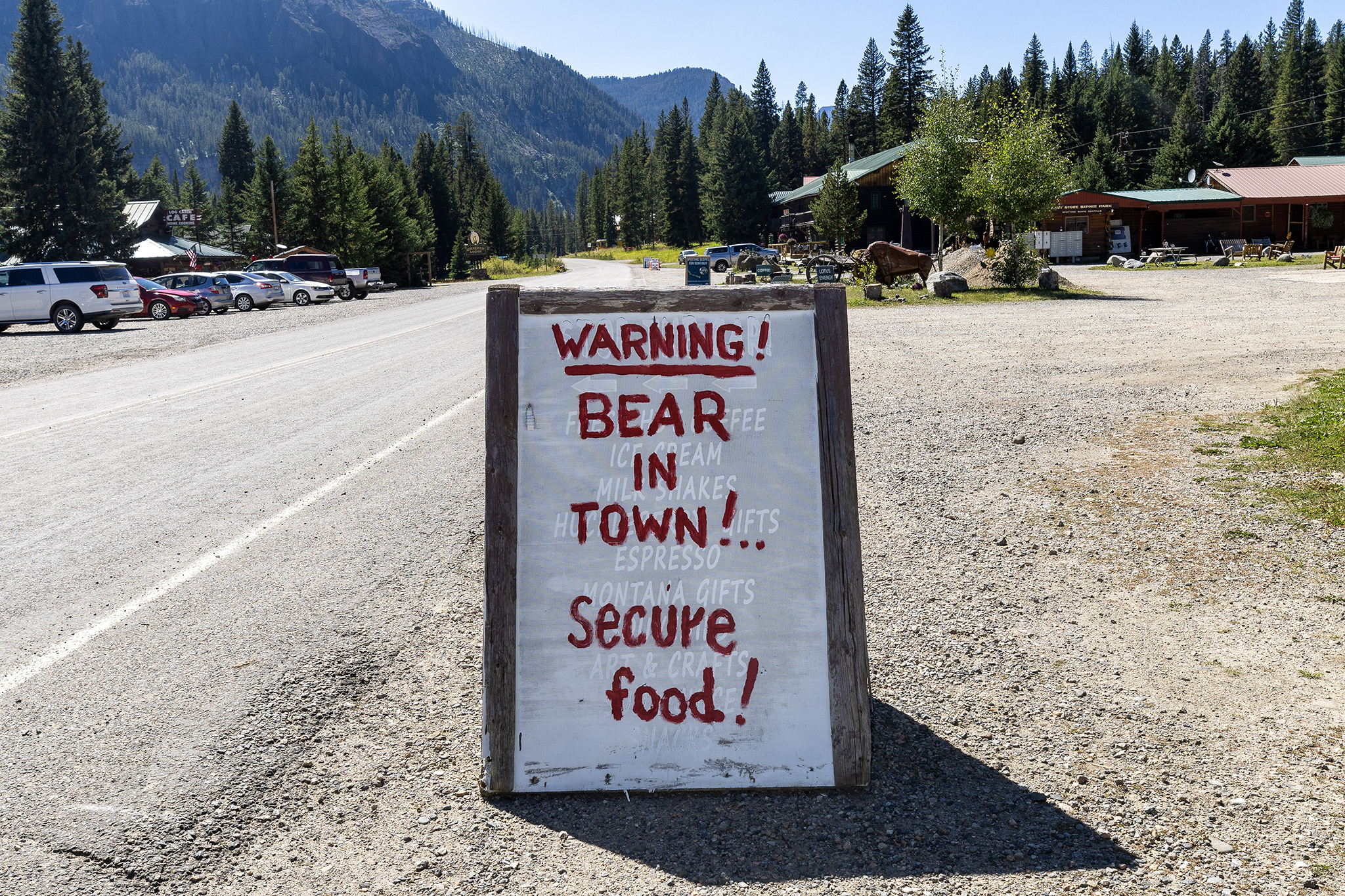
Gardiner, Mont., is a gateway town leading to Yellowstone National Park.
Sanitation employees there are usually working in equipment with a cab, “so they don’t immediately get a face full of mace,” Whitman added. But capsicum spray designed to bring down a lumbering bear is so high-powered that it leaves workers tearing up and coughing. “We definitely have had staff that get it enough that their eyes are watering and they’re irritated for the rest of the day,” he said.
Article continues below this ad
Explosions delay the crews’ work for one to two hours while fans clear the air. “You can see the mist in the air, and you start smelling it through the vents,” Whitman said. “It’s completely unpleasant.”
Source: Drudge Report
