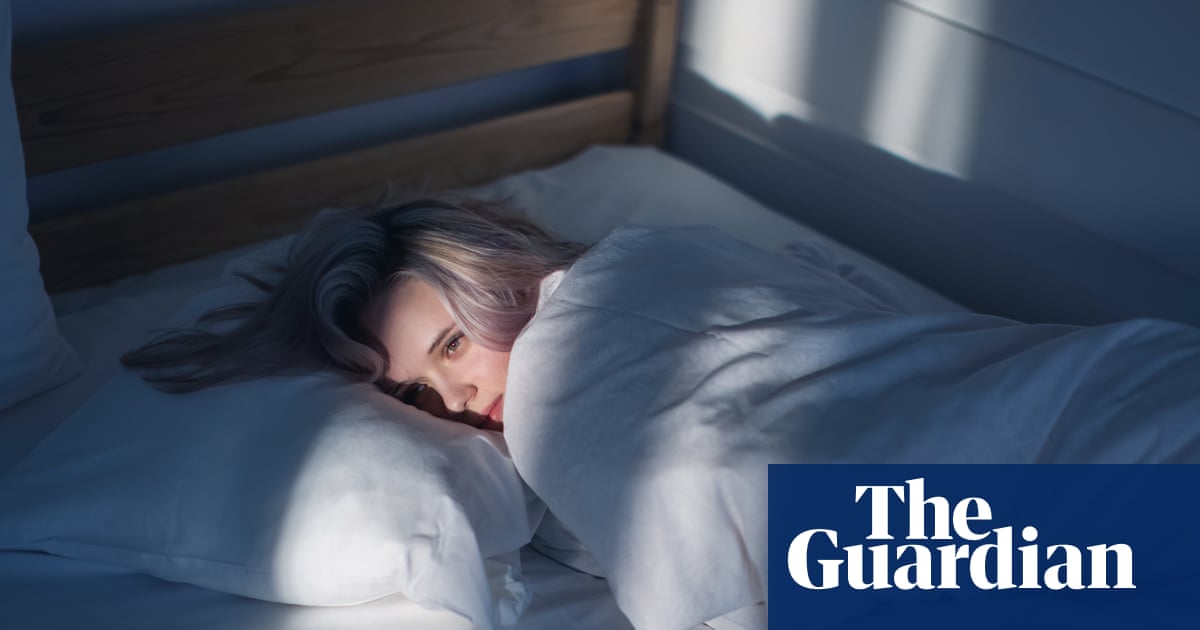
Homework, social pressure and jobs still keep teens up but now screen time and social media rob their sleep
A new study from the University of Minnesota School of Public Health shows that today’s teenagers aresleepingless than ever before.
The findings, which appeared inPediatrics, showed a consistent decline in sleep across every age category. The latest figures revealed record-low sleep levels for all groups, with only 22% of older adolescents saying they slept at least seven hours each night.
“Some barriers to sleep faced by teens have existed across generations, such as the increased homework and extracurricular demands that come with high school, social pressures to stay up late with peers, and jobs,” said Rachel Widome, lead author on the study and a professor at the University of Minnesota School of PublicHealth.
“Other issues, though, are new in recent years, such as increasingly ever-present screens and social media as well as recent society-wide stressors such as the pandemic, social unrest ormilitarized policing,” she added.
Thestudyalso reported growing gaps in sleep outcomes. Black and Latino teens, along with adolescents whose parents have lower levels of education, are becoming increasingly less likely to get adequate sleep compared with other groups.
The greatest impact was seen among older adolescents.Sleeptime steadily declines as teens age, while both sleep duration and feelings of getting enough rest drop significantly from early adolescence to later teen years.
For the study, researchers analyzed data from Monitoring the Future, a long-running national survey representing more than 400,000 US students in grades eight, 10 and 12 from 1991 through 2023. Participants responded to two primary questions: how often they slept at least seven hours per night and how often they believed they were getting enough rest.
Insufficient sleep contributes to everyday exhaustion andinhibited functioning, while also being linked to longer-term issues such as mental health problems, struggles in school and chronic illnesses later in adulthood.
While surgingscreen timemay seem like the obvious culprit, the root cause may point to deeper feelings of social isolation and burnout. Recent high school student-led research fromAim Ideas Labshowed that roughly two-thirds of California teens reported experiencing burnout and anxiety.
Source: Drudge Report
