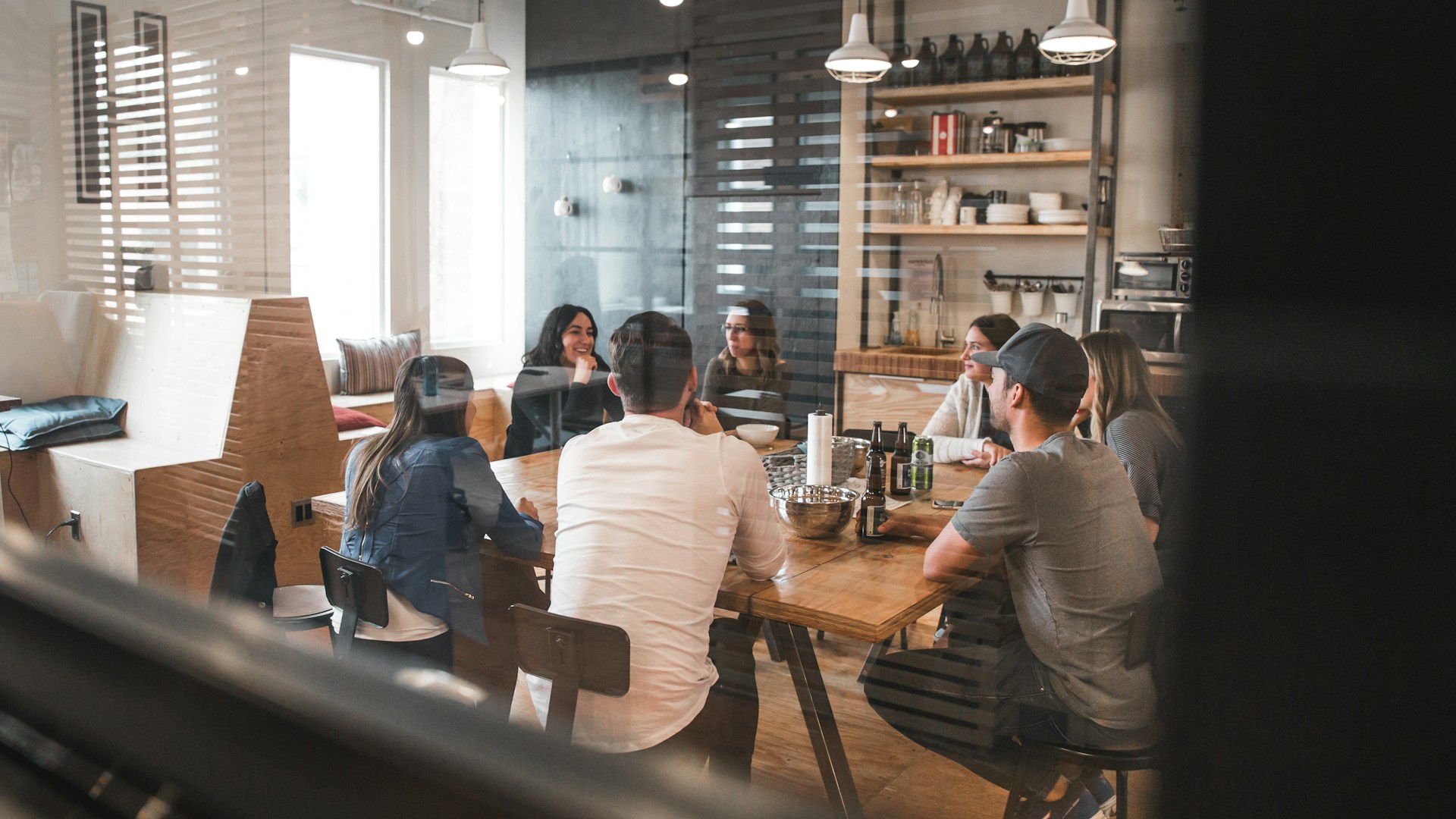
Workplace expectations continue to evolve as businesses adapt to changing employee behaviours, hybrid work models, and growing operational pressures.
Across many industries, organisations are reassessing how workplace environments influence not only productivity, but also collaboration, employee wellbeing, and long-term business performance.
While technology remains an important part of workplace transformation, businesses are increasingly recognising that the physical environment itself also plays a major role in shaping how teams operate.
As a result, workplace design is becoming a more significant strategic consideration for organisations planning for future growth.
Traditional office environments were often designed around consistency and permanence.
Employees worked from fixed desks, departments operated within designated areas, and workplace layouts changed very little over time.
However, the way people work today is significantly different.
Modern employees regularly transition between:
This shift has changed what businesses require from workplace environments.
Many organisations are now prioritising flexibility, functionality, and adaptability rather than simply maximising desk capacity.
Source: Insider Paper
