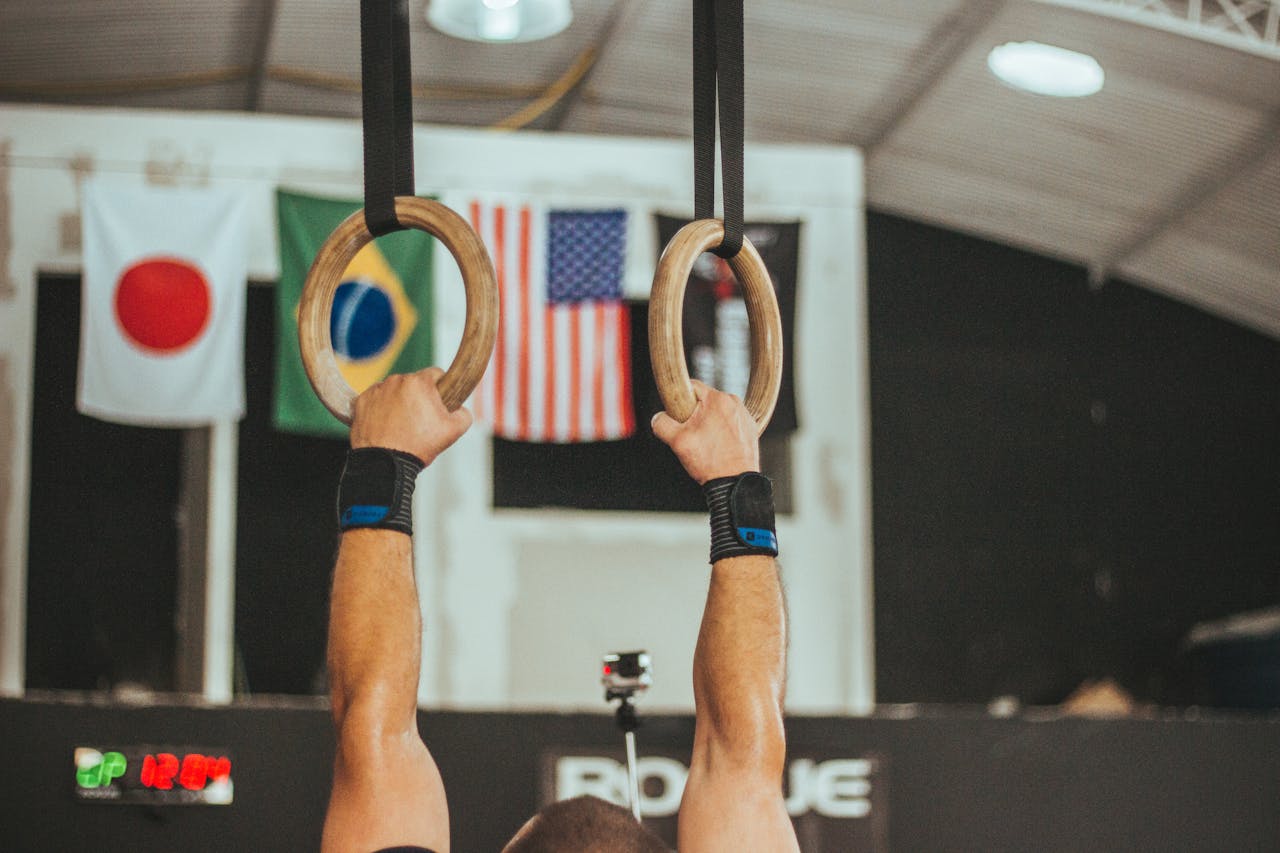
As participation in sports and recreational activities continues to grow across the country, so does the toll of preventable injuries. The question facing the fitness industry is no longer whether the problem exists, but how visible, real-time safety communication, such as digital signage in fitness centers, can help reduce these injuries before they happen.
The study, conducted byOptisigns, examined injury rate data from the National Safety Council’s Injury Facts database, covering 15 sports and recreational activity categories from 2020 to 2024. Activities are ranked by their five-year average injury rate per 100,000 population.
Exercise equipment (136.84) outpaces bicycles and accessories (124.12) by more than 12 points, making gym-based equipment the single largest source of sports and recreational injuries in the country. Among the top 10, soccer (24.4%), playground equipment (20.5%), and football (20.1%) posted the sharpest year-over-year increases, while trampolines (5.7%) grew the slowest.
All 15 categories recorded positive year-over-year changes in 2024, confirming a broad national trend rather than isolated spikes. Track and field (28.4%), soccer (24.4%), and racquet sports (23.5%) led the surge, while trampolines (5.7%) and skating (6.2%) grew at the slowest pace.
Ten of the 15 tracked activities posted higher injury rates every single year from 2020 to 2024 without a single annual decline. Soccer led with 219.4% total growth, followed by track and field at 206.5% and volleyball at 169.4%.
The bottom five categories range from hockey (10.66) to boxing (5.58) in average rate, but their growth rates tell a different story. Track and field posted a 206.5% five-year increase and a 28.4% year-over-year rise, both the highest of any category in the entire dataset.
This analysis is based on injury rate data published by the National Safety Council (NSC) through its Injury Facts database, covering 15 sports and recreational activity categories over the period 2020 to 2024. Injury rates are expressed per 100,000 U.S. population as reported by the NSC for each category per year. The five-year average for each activity was calculated by summing its annual injury rates across all five years (2020, 2021, 2022, 2023, and 2024) and dividing by five; this average serves as the primary ranking criterion, with activities ordered from highest to lowest. Year-over-year (YoY) percentage change was calculated as the 2024 rate minus the 2023 rate, divided by the 2023 rate, expressed as a percentage. Five-year cumulative growth was calculated as the 2024 rate minus the 2020 rate, divided by the 2020 rate, also expressed as a percentage.
National Safety Council, Injury Facts: Sports and Recreational Injuries:https://injuryfacts.nsc.org/home-and-community/safety-topics/sports-and-recreational-injuries/
Research Dataset:https://docs.google.com/spreadsheets/d/1ZoOY3hr9hXbiZZTRo77SeOXCCgkJY8lnZjSa9PJ1h20/edit?gid=0#gid=0
Study by:https://www.optisigns.com/
Source: Insider Paper
