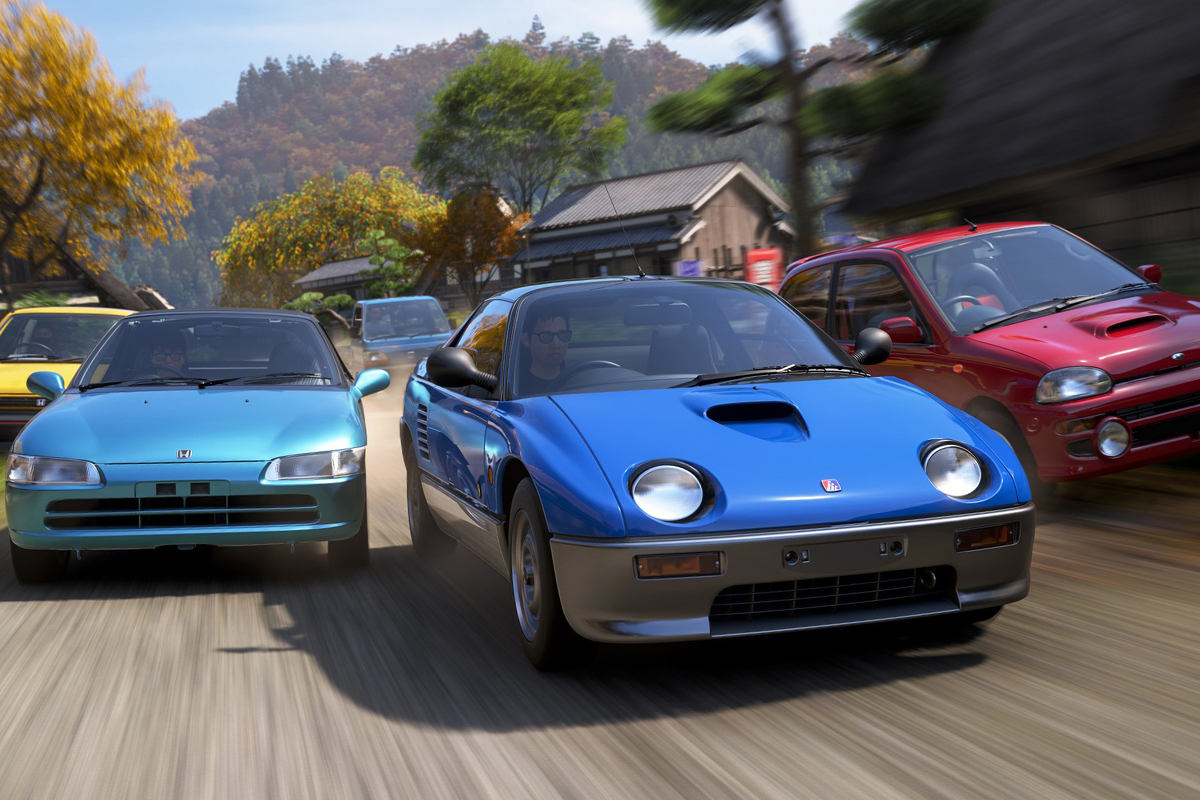
Beginners can get a good head start with the Explore Japan path with thisForza Horizon 6survival guide.
Forza Horizon 6 rewards players who can master the basics from the jump, because skill and strategy are critical gameplay components. It also pays to tread the less-trodden 'Explore Japan' path, a sidequest route that yields fun and surprising prizes.
For those choosing to tour Japan before the standard Forza Horizon path, the best approach is to focus on stability, consistency, and a good grip on the progression mechanics.
It's best not to ignore the gameplay aids to build confidence. This goes a long way in learning how to keep the car under control in different environments.
Use the early quests and races to get acquainted with the map and road layouts. Winning races is also secondary to developing skill, which favours restrained and calculated driving. Rushing into risky passes or oversteering through corners can cost more time than it saves, so it is usually better to slow down slightly, keep traction, and finish races without major mistakes.
The rewind feature is indispensable for beginners because it can correct mistakes on the spot. Improve times by 'erasing' bad turns and collisions from a run. Instead of restarting every event after one error, use rewind to keep moving forward and maintain momentum.
The best way to progress in Forza Horizon 6 is to participate in a wide range of events rather than focusing on a single activity. Complete races, challenges, and side quests consistently to keep earning rewards, unlocking new opportunities, and building a stronger garage over time.
It's also important to spend credits wisely, investing in upgrades that offer value for cost. This shapes early choices and fast-tracks long-term performance. Avoid spending on 'vanity' cars, and instead choose vehicles with balanced handling. Use the same vehicle in as many events as possible, until it's evidently time for a major upgrade.
Choosing the right car at the start can make a big difference. A balanced car that can perform in different weather conditions and terrain is often more useful than one with maximum speed, especially when the routes include tight roads, varied surfaces, and frequent turns.
Tuning also matters, but there's no need to obsess about it at the beginning. Focus on control, grip, and predictable handling before aiming for speed, as a stable setup is more reliable in most race and road types.
Source: International Business Times UK
