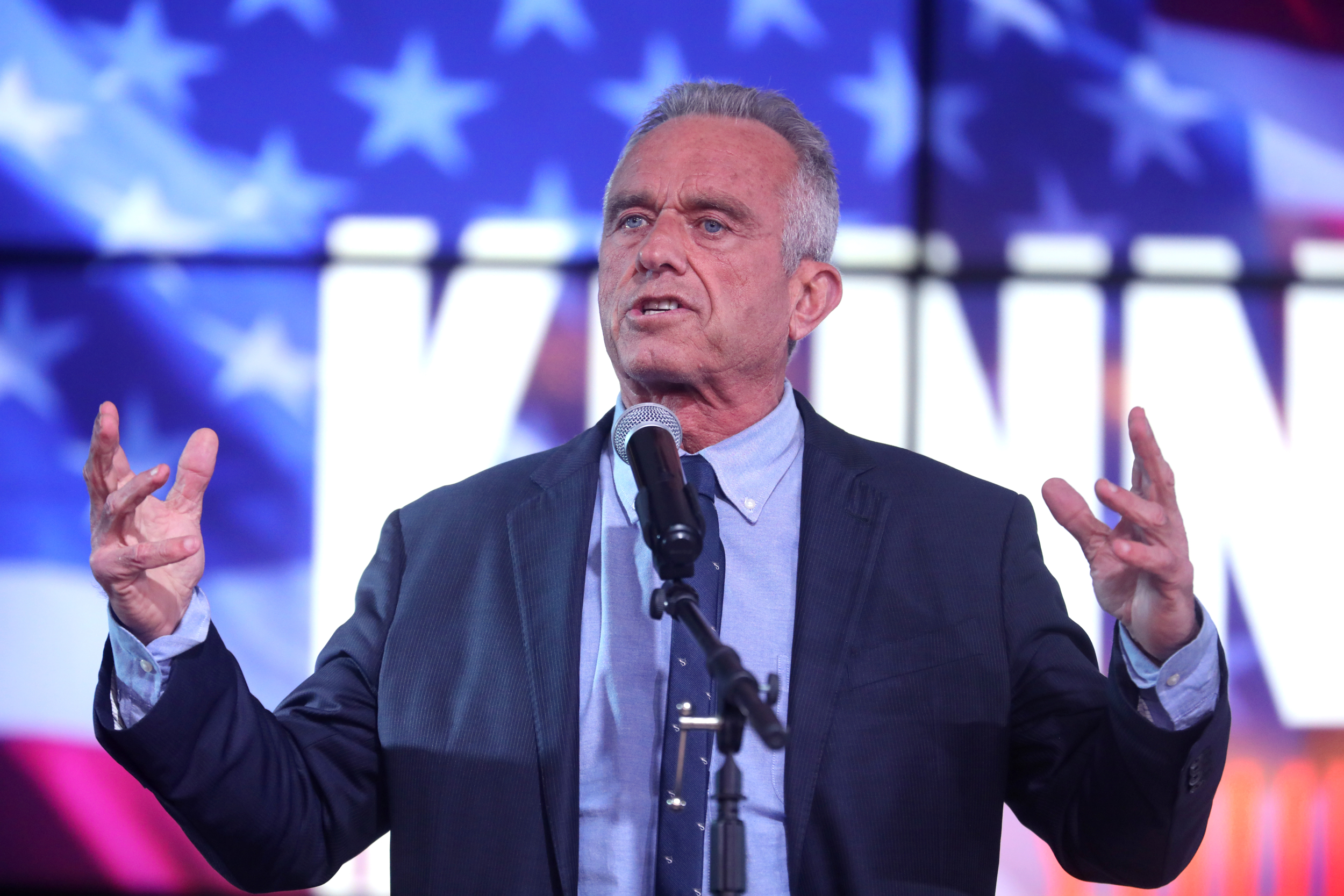
Robert F. Kennedy Jr.is escalating his campaign against what he calls America's culture of 'overmedication,' this time turning directly toward antidepressants and psychiatric drugs. The move is already unsettling psychiatrists who fear the administration's rhetoric risks blurring the line between legitimate concerns about prescribing practices and public distrust of mental healthcare itself.
Speaking at aMAHA Institute summitfocused on mental health and what organisers described as 'overmedicalisation,' Kennedy announced a federal initiative aimed at reducing what he characterised as excessive psychiatric prescribing, particularly involving children.
'Today, we take clear and decisive action to confront our nation's mental health crisis by addressing the overuse of psychiatric medications, especially among children,'Kennedy said in the press release.He added that the Department of Health and Human Services would support 'patient autonomy,' informed consent and alternative treatment approaches while encouraging greater scrutiny around medication use.
Antidepressants and other psychiatric medications occupy a uniquely sensitive place in American healthcare, used by millions while remaining deeply entangled in political distrust, social stigma and competing interpretations of mental illness.
Kennedy's criticism rests on the argument that psychiatric drugs are prescribed too quickly, used too broadly and continued for too long without sufficient evaluation. He has repeatedly questioned antidepressants in public appearances, at times linking them to violence, developmental risks during pregnancy and severe withdrawal symptoms.
Those claims remain highly controversial.
While experts acknowledge that psychiatric medications can cause side effects and difficult withdrawal experiences in some patients, major regulatory bodies, including the US Food and Drug Administration, continue to classify antidepressants as generally safe and effective when appropriately prescribed for conditions including depression, anxiety disorders, and obsessive-compulsive disorder.
The administration's initiative does not propose banning antidepressants. Instead, HHS agencies will reportedly evaluate prescription patterns, assess risks and benefits, and encourage greater use of non-medication interventions such as therapy, exercise, dietary changes, and family-based support systems,based on a Dear Colleague Letter.
Psychiatry has increasingly grappled with questions around deprescribing and long-term medication dependence, particularly for patients who may no longer benefit from treatment or who experience intolerable side effects.
Joseph F. Goldberg, clinical professor of psychiatry at the Icahn School of Medicine at Mount Sinai, described deprescribing as a practical clinical tool rather than an ideological crusade.
Source: International Business Times UK
