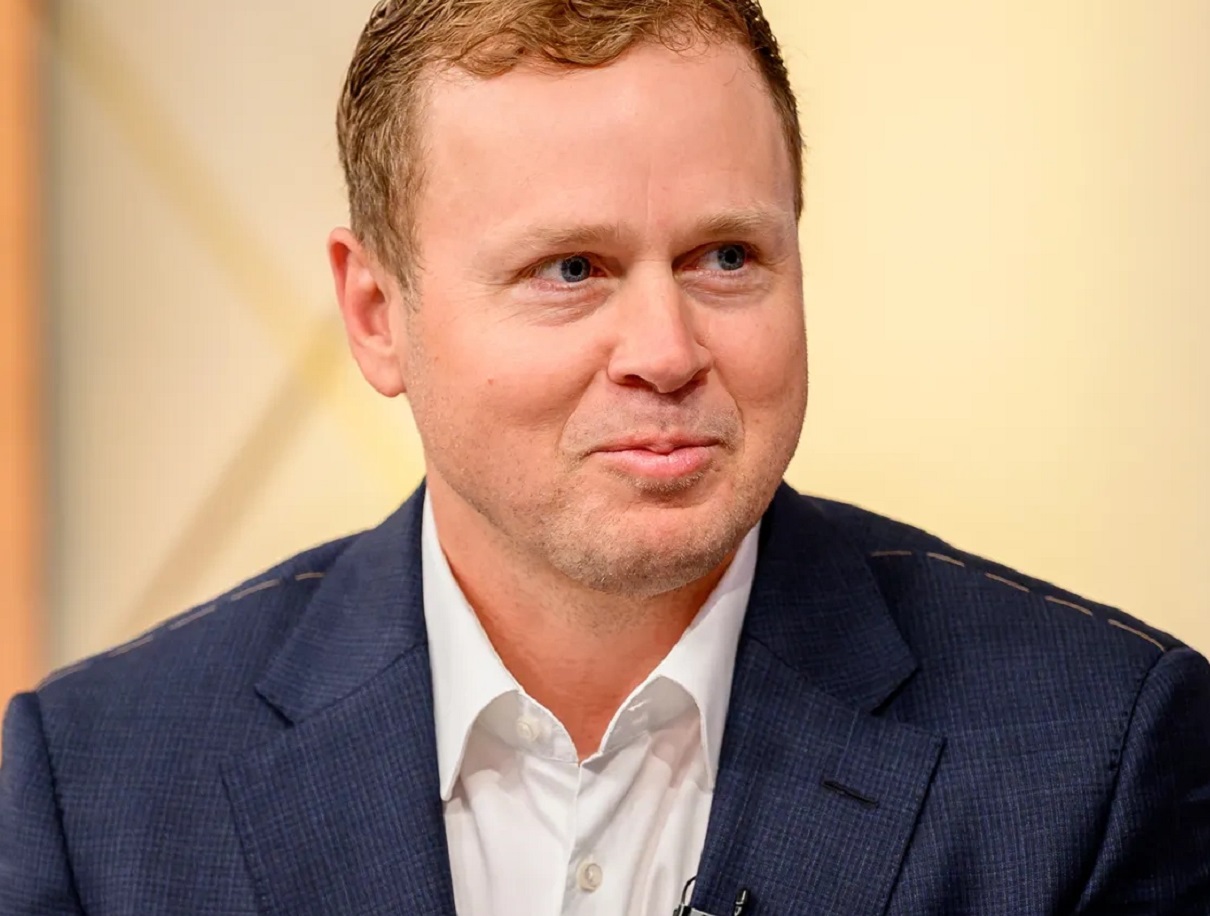
TMZ has reportedthat Spencer Pratt has already signed a production deal to film his Los Angeles mayoral campaign. What makes the arrangement extraordinary is the reported clause stating cameras would continue rolling even if he actually wins office.
For a city exhausted by crisis politics, celebrity activism and endless reinvention, the idea somehow feels both absurd and oddly believable. Los Angeles has spent years blurring the line between governance and performance. Pratt appears ready to erase it altogether.
According to sources cited by TMZ, Pratt signed an agreement with Boardwalk Pictures, the Los Angeles-based studio behind documentary and unscripted television projects. Filming is expected to follow not only Pratt's campaign operation but also his family life with wife Heidi Montag and their children.
Production would reportedly continue if Pratt were sworn in as mayor.
Pratt has spent decades turning notoriety into currency. He first emerged as one ofreality television's defining villains on 'The Hills'alongside Montag during the late 2000s, cultivating a tabloid-heavy image that made the pair unavoidable fixtures of celebrity media.
Unlike many reality stars from that era, Pratt never fully disappeared. He pivoted repeatedly through podcasts, social media, internet commentary and smaller television appearances, preserving a strange kind of cultural relevance long after the original fame cycle ended.
That history matters because Pratt's political campaign already carries the unmistakable grammar of reality television. Emotional confessionals. Viral clips. Personal crisis packaged as authenticity. Even his housing situation has become campaign material.
The uncomfortable question hanging over the project is whether the mayoral run exists partly because it makes compelling television.
Sources quoted by TMZ say the production team has not yet mapped out how filming would function if Pratt entered City Hall. Officially, the focus remains on the campaign itself. Still, the existence of a signed contract changes the optics immediately.
Pratt's campaign messaging leans heavily on accessibility, internet fluency and anti-establishment frustration rather than traditional policy detail. Whether voters take it seriously remains unclear, though seriousness itself no longer functions as a reliable barrier in contemporary politics.
Source: International Business Times UK
