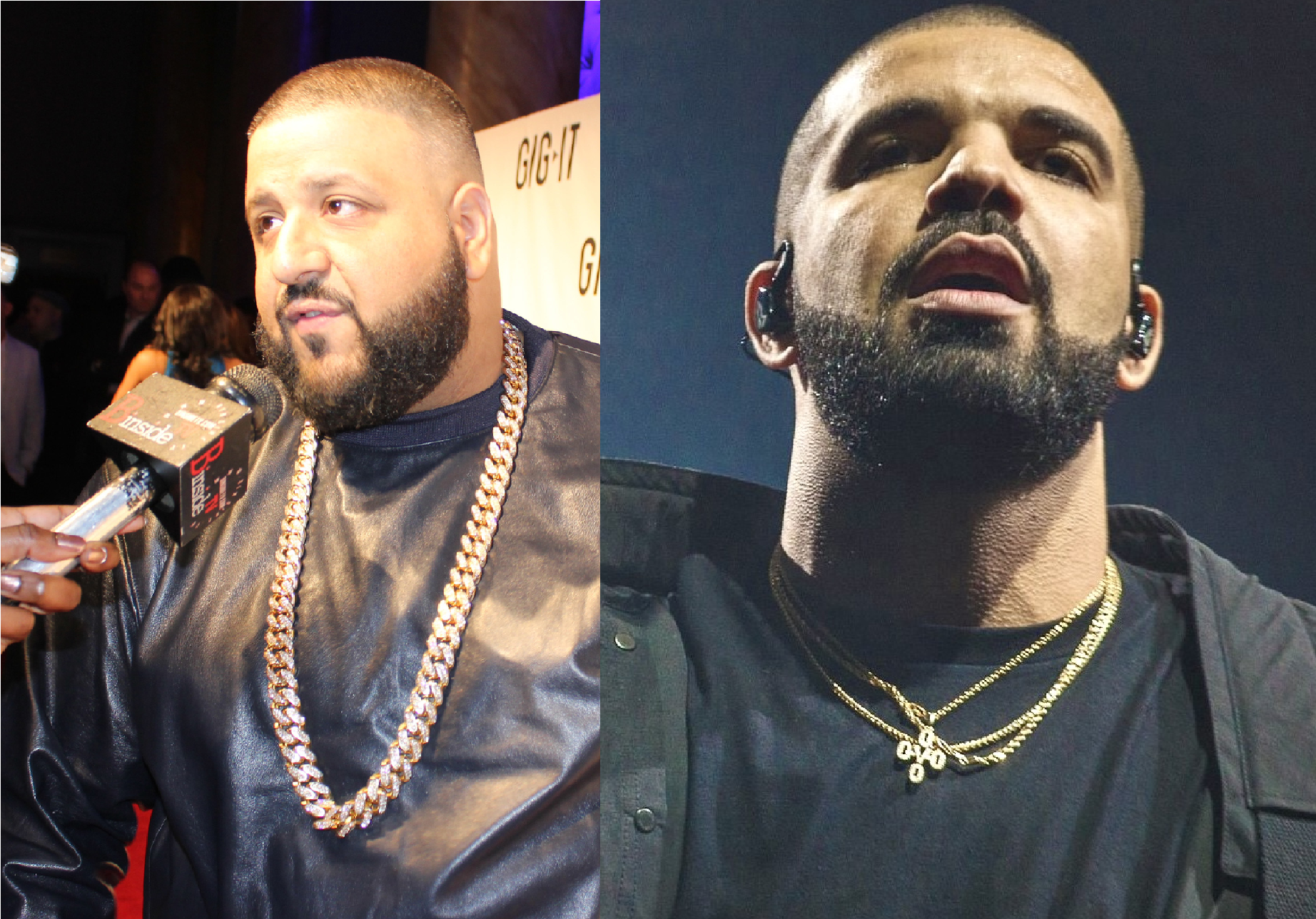
Drake has turned the spotlight on DJ Khaled with a pointed lyric about Palestine that instantly became the most dissected moment of his latest release. Within minutes of the track appearing online, fans were arguing over whether the rapper had publicly challenged one of hip-hop's most commercially visible Arab-American figures for staying silent on Gaza.
The line appears on 'Make Them Pay', previewed during the fourth instalment of Drake's 'ICEMAN' livestream series before the album's official release on 15 May. The Toronto artist does not dance around the target.
'Khaled, you know what I mean. The beef was fully live, you went halal and got on your deen. And your people are still waitin' for a free Palestine.'
That was enough to send social media into overdrive. DJ Khaled, whose Palestinian heritage has long been part of his public identity,has faced repeated criticism onlineover the past year from activists and fans who expected stronger public statements during the war in Gaza.
Drake follows the Khaled lyric with another pointed observation.
'Apparently everything isn't black and white and red and green, damn. I'm seein' everyone's true colours, for real, I'm sensin' a theme.'
Listeners quickly interpreted the bars as an accusation that people in the music industry had chosen caution over speaking openly about Palestine. The reference to 'red and green' appeared to many fans to invoke the colours of the Palestinian flag, though Drake leaves the line open enough to invite wider readings about loyalty and public positioning.
DJ Khaled has not responded publicly to the song.
Khaled, born to Palestinian parents, has frequentlyspoken about his heritagein interviews and across social media. Yet during theIsrael-Gaza conflict, critics repeatedly questionedwhy he had not used his enormous platform more directly, especially compared with other artists and celebrities who issued statements or attended demonstrations.
Drake's lyric taps directly into that frustration. It also lands at a moment when musicians are increasingly being scrutinised not just for what they say, but for what they avoid saying.
Source: International Business Times UK
