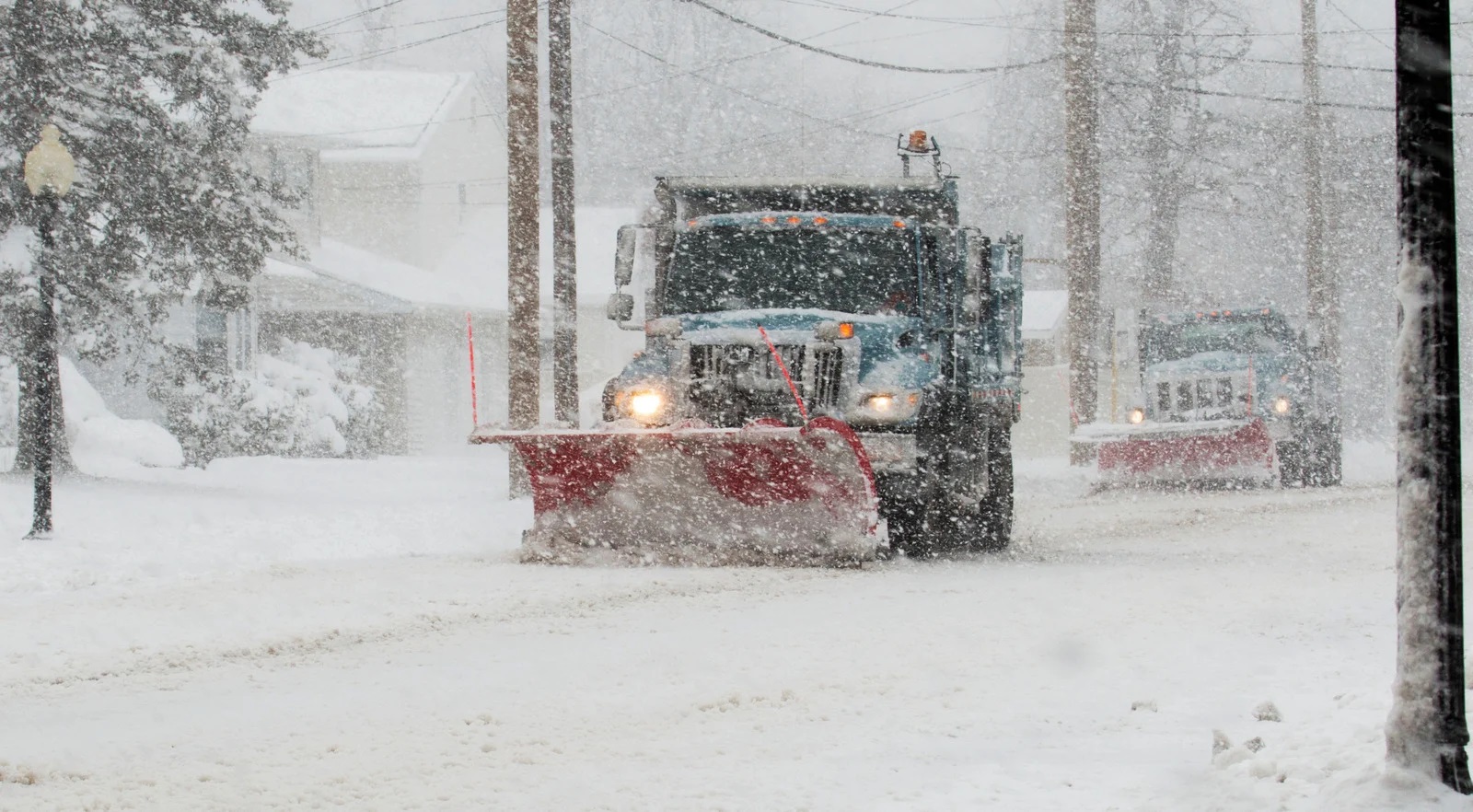
The first flakes arrive quietly enough. A thin dusting on parked cars, a faint crunch underfoot on a late-afternoon walk. Then, almost without ceremony, the familiar soundtrack of a British cold snap begins: traffic reports thickening with warnings, rail operators urging 'only travel if necessary,' and the Met Office pushing out yellow alerts just as people are planning the school run and the commute home.
On Monday afternoon, that drumbeat grew louder. TheMet Office issued a 19-hour yellow warning for snow and ice across swathes of Scotland, with forecasters bluntly predicting hazardous conditions, plunging temperatures and the real prospect of travel chaos stretching into Tuesday morning.
TheUK weather alert—in force from 3pm on Monday 16 February until 10am on Tuesday—covers a large slice of northern Scotland: Central, Tayside and Fife, Grampian, the Highlands and Eilean Siar, Orkney and Shetland, and Strathclyde. In plain terms, that means everywhere from Aberdeen to Stirling, Argyll and Bute to the Orkney and Shetland Islands, is being told to brace for more than just a picturesque flurry.
This isn't simply a case of 'a bit of snow on the hills.' Forecasters say periods of rain, sleet and snow will move south-eastwards across Scotland through Monday and into the night, falling assnow initially on higher ground—typically above 200m—before dropping to lower levels later in the day and overnight.
The Met Office expects the heaviest accumulations on Monday evening and into the night. At low levels, away from north-facing coasts, 1–2cm is possible. Above roughly 150m, that jumps to 2–5cm, and on higher ground above 300m, up to 8cm could settle. In isolation, those numbers might sound unremarkable for Scotland in February. Combined with plunging temperatures, strong winds and untreated roads, they're more than enough to cause ugly, grinding disruption.
Where the warning turns from mildly inconvenient to properly dangerous is in the detail: temperatures are forecast to drop below freezing, raising the likelihood of widespread ice even in places that see more rain and sleet than settling snow. Ice on untreated surfaces—roads, pavements, rural paths—will be a particular risk overnight, precisely when gritters and emergency services are already stretched.
Forecasters are also flagging the risk of a few isolated lightning strikes, an unnerving twist that tends to accompany particularly lively wintry showers. Strong north to north-westerly winds are expected across the Northern Isles and north-eastern mainland, with gusts in exposed areas potentially reaching 50–60mph. Snow, ice and 60mph gusts is a miserable cocktail for ferries, bridges and rural roads.
For people living in the areas under theUK weather alert, the practical implications are familiar but no less frustrating for that. The Met Office is warning that some roads and railways are likely to be affected, with longer journey times for road, bus and train services. It's the usual winter drill: leave earlier, drive slower, hope the train isn't cancelled.
The advice to motorists is, yet again, sobering. Drivers are being urged to carry essential items in their vehicles in case of delays—warm clothing, food and water, a blanket, torch, ice scraper and de-icer, warning triangle, high-visibility vest and an in-car phone charger. It's a survival kit more associated with Alpine passes than a dash along the A9, but the message is clear: assume you might be stuck for a while.
There is a wider fatigue creeping in here. After several winters of yo-yoing between unseasonably mild spells and sharp, disruptive cold snaps, public patience with Britain's precarious infrastructure wears thin. Trains that grind to a halt for a dusting of snow, rural communities effectively cut off overnight, and a patchwork of school closures—these are not new problems, and the warnings land now with a weary sense of déjà vu.
Source: International Business Times UK
