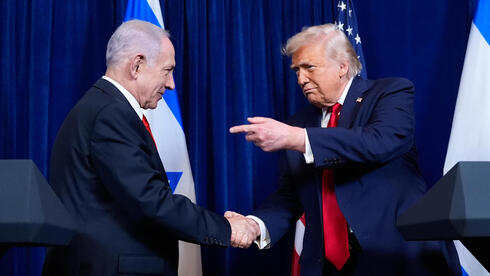
Israeli Prime Minister Benjamin Netanyahu touched down in Washington D.C. late Tuesday, marking his first visit to the U.S. capital since the contentious 2024 presidential transition and amid whispers of a brewing crisis in the Middle East. Flanked by top security advisors, Netanyahu's arrival signals a high-stakes diplomatic push as tensions with Iran escalate following recent drone strikes on Israeli positions in the Golan Heights.
The visit, shrouded in secrecy until Air Force One's counterpart—the Israeli El Al jet—cleared airspace, centers on urgent talks with President Donald Trump in the Oval Office. Sources close to the delegation reveal discussions will cover bolstering U.S. military aid to Israel, countering Houthi disruptions in the Red Sea, and a potential joint strategy against Tehran's nuclear ambitions. Netanyahu, fresh from a war cabinet meeting in Jerusalem, reportedly carries a dossier detailing intelligence on Iranian proxy movements, aiming to rally American support before any preemptive actions.
Context for the trip traces back to last month's assassination of a top Hezbollah commander, attributed to Mossad, which prompted vows of retaliation from Iran's Supreme Leader. U.S.-Israel relations, strained under the prior administration's Iran nuclear deal revival attempts, have thawed dramatically since Trump's return. Netanyahu's last D.C. outing in 2024 drew protests from pro-Palestinian activists, but this time, security is airtight, with Capitol Police doubling patrols amid threats from domestic extremists.
Analysts view the summit as a litmus test for Trump's "America First" doctrine in foreign policy. "Bibi's not just here for photo ops; he's seeking ironclad commitments," said former National Security Advisor John Bolton in a pre-visit interview. Critics on the progressive left decry the alliance as enabling "genocide" in Gaza, fueling campus unrest, while conservatives hail it as a bulwark against radical Islamism infiltrating Western societies.
Beyond bilateral ties, the Netanyahu-Trump rendezvous carries cultural ramifications. In an era of rising antisemitism on U.S. college campuses and debates over immigration from jihadist hotspots, the prime minister's address to a joint session of Congress—rumored for Thursday—could galvanize pro-Israel sentiment. Expect fiery rhetoric on shared Judeo-Christian values versus the "woke axis" of globalist elites, Tehran, and their enablers.
As Netanyahu settles into Blair House, all eyes turn to outcomes that could reshape Middle East dynamics. A strengthened U.S.-Israel pact might deter aggressors, but it risks inflaming oil prices and domestic divisions. For now, the Lion of Judah roars back into the lion's den, ready to defend his nation's survival on the world stage.