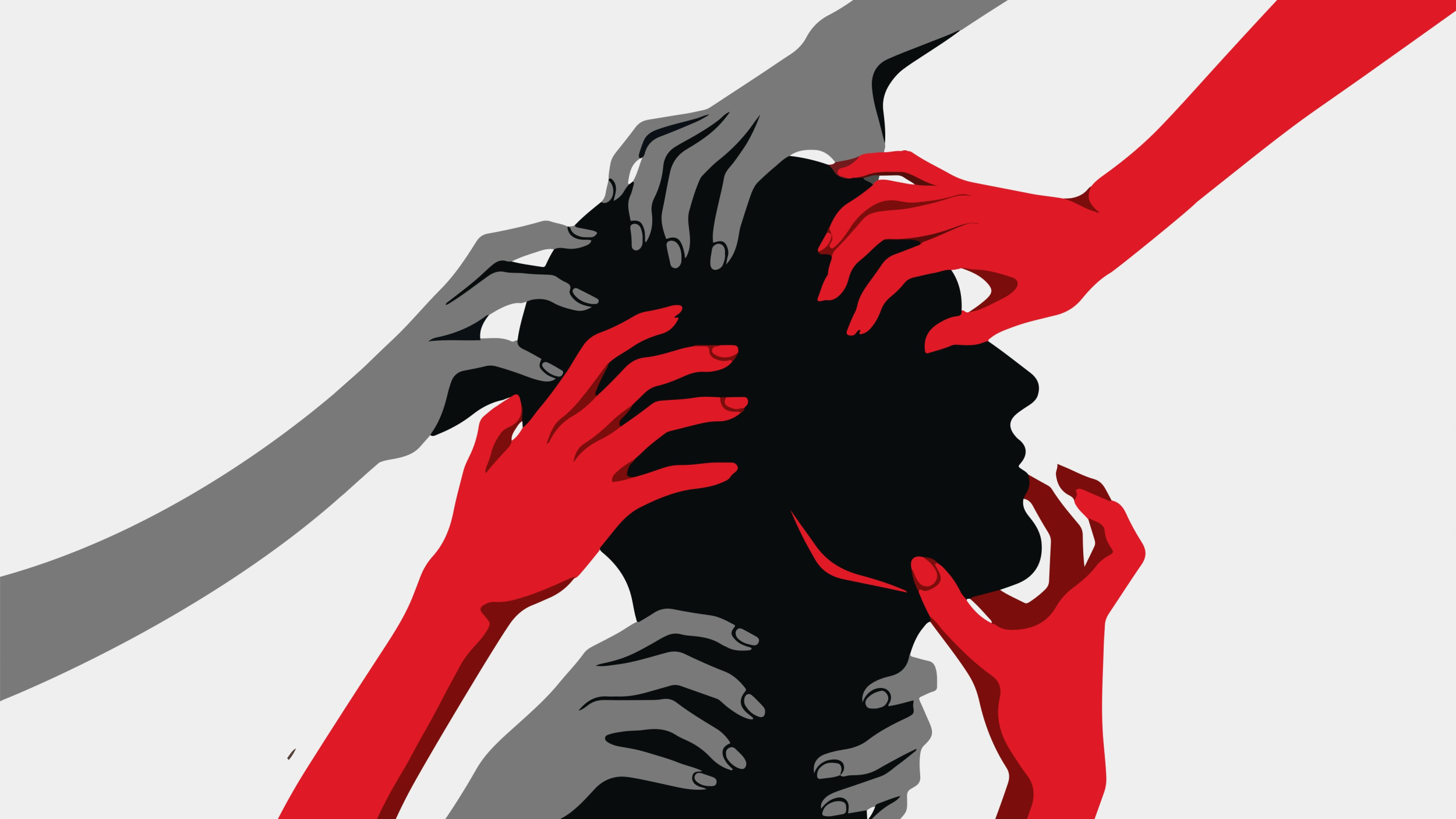
A college student's TikTok theory aboutschizophreniahas exploded across social media after she argued that modern psychiatry may be focusing on the wrong part of the brain entirely.
The video, posted by Lilith Mara, claims schizophrenia is less about dopamine imbalance and more about a breakdown in the brain's sensory filtering system linked to the thalamus. Her explanation, which mixes neuroscience, mental health criticism, and frustration with current treatments, has sparked intense debate online, with millions now questioning whether one of psychiatry's most studied disorders has been misunderstood for decades.
The student at the centre of the debate is Lilith Mara, whose TikTok videos discussing schizophrenia and the thalamus have quickly taken over the internet.
In the clips, Mara argues that schizophrenia may not primarily be a dopamine disorder – the long-standing theory behind many antipsychotic medications – but instead a 'sensory filtering' problem tied to the thalamus, the part of the brain responsible for processing incoming sensory information.
According to her explanation, when the thalamus becomes 'leaky,' the brain struggles to properly filter signals from the outside world. She claims the brain then begins filling in missing information itself, potentially contributing to hallucinations, paranoia, distorted thinking, and sensory overload.
One line from the video spread especially fast online, where she says, 'Your brain will always try to make sense of something... so if it's missing information, it's just gonna make up its own.'
Part of the reason the videos resonated so strongly is because schizophrenia treatment remains deeply frustrating for many patients and families. Current antipsychotic medications can help reduce hallucinations and delusions, but they often come with heavy side effects and do not fully address cognitive symptoms or emotional withdrawal.
Mara's videos tapped into a wider feeling online that mental health treatment still leaves many unanswered questions. Her criticism of 'symptom masking' versus treating root causes also echoed conversations already happening around depression, ADHD, anxiety, and metabolic psychiatry.
The videos became even more controversial after she suggested pharmaceutical companies may have little incentive to pursue radically different approaches to treatment.
Despite the dramatic online reaction, researchers have studied the thalamus and sensory gating in schizophrenia for decades. Brain imaging studies dating back to the 1990s have explored abnormalities in thalamic pathways, sensory filtering problems, and disruptions between different brain circuits in schizophrenia patients.
Source: International Business Times UK
