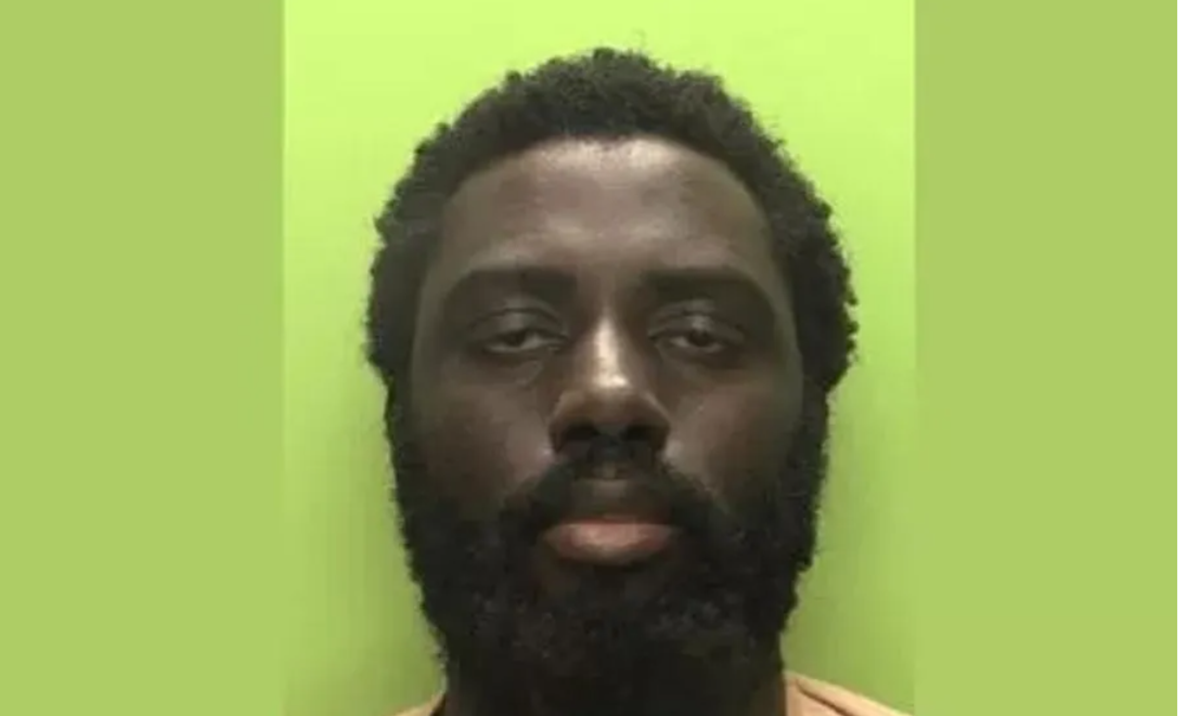
In an emotional testimony to the Nottingham Inquiry, Celeste Calocane, the mother of Nottingham attacker Valdo Calocane, said she repeatedly warned professionals her son posed a danger years before the the 2023 attack that killed three people and injured others. Celeste described years of escalating fears, concerns, and missed opportunities, and a lack of support. She revealed that she had warned professionals years before the fatal attacks that her son could pose a risk to the public, but said those concerns were not adequately acted upon.
Her testimony has placed renewed scrutiny on the handling of psychic interventions and the communication between services and families. The inquiry is examining whether systemic failings contributed to the deaths of Barnaby Webber, Grace O'Malley-Kumar and Ian Coates, and whether lessons can be learned to prevent future tragedies.
Before the fatal attacks on 13 June 2023, which led to the deaths of Barnaby Webber, Grace O'Malley-Kumar and Ian Coates, Valdo, who had been diagnosed with paranoid schizophrenia in 2020, had already experienced multiple psychiatric interventions, including several detentions under mental health law.
Celeste told the inquiry that since 2020, she had been noticing serious changes in her son, whom she described as becoming increasingly agitated and distressed, leading to police involvement and admission to hospital following attempted break-ins, theBBCreported.
During the first break-in, Celeste shared that her son wasimmediately discharged from a psychiatric ward at Highbury Hospitalwith 'no diagnosis', but she felt like it was 'too early', and added that she had 'no power'.
After his discharge, Celeste recalled that she sought and called for help from Valdo's mental health system to tell them about her son's recurring episodes, but no further action was taken.
She told the inquiry she contacted mental health services '100 times' and expressed fears that her son was becoming a risk to others. Yet she said she was rarely given clear explanations about diagnosis, risk, or how to respond.
Instead, she felt left to interpret complex decisions on her own, without guidance or shared understanding from professionals.
'At this point, I don't even know what can happen to him. I'm just like living in anxiety basically', she said.
Calocane was sectioned four times between 2020 and 2022 and treated in facilities. The situation had also changed when, in 2021, Valdo withdrew consent to share information about his care with his family.
Source: International Business Times UK
