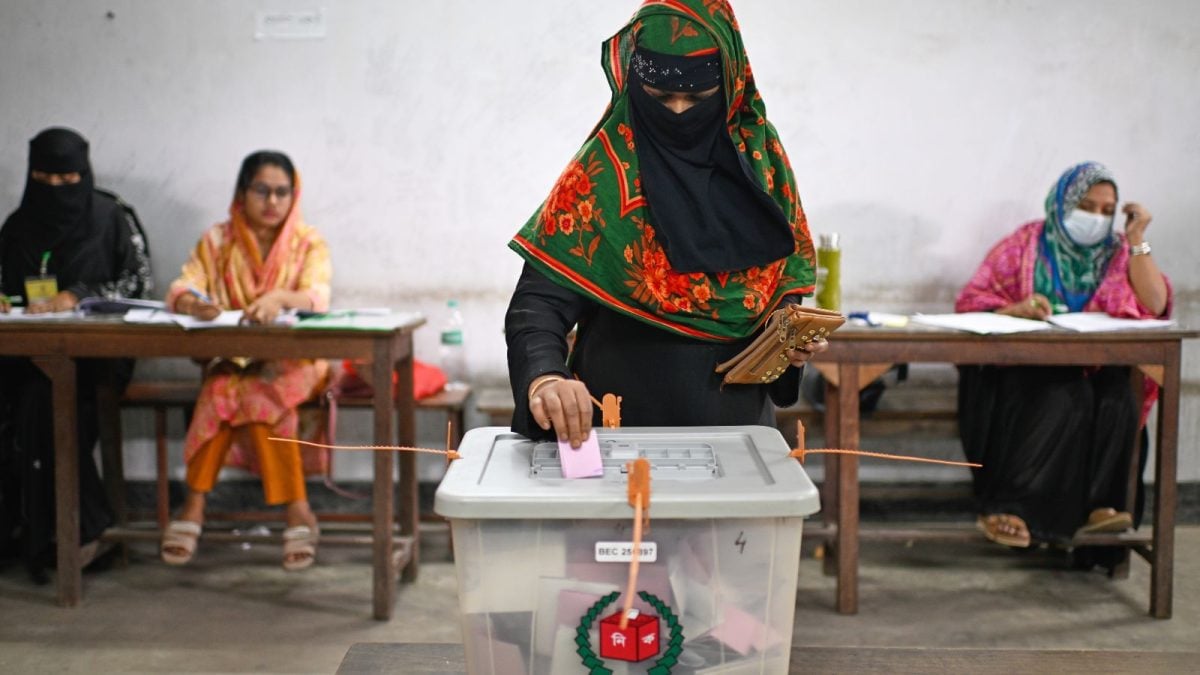
Is Bangladesh’selectionprocess truly free and fair? A new report by Transparency International Bangladesh (TIB) suggests there is a serious cause for concern.
The anti-corruption watchdog has released its assessment of the latest national election, flagging irregularities in 40% of parliamentary seats. Even more striking, in 28.6% of those seats, candidates themselves filed formal complaints — an indicator that disputes were not merely speculative but raised by contestants directly involved in the race.
But beyond numbers, TIB’s report questions the very architecture meant to safeguard electoral integrity: the Election Commission of Bangladesh.
One of the sharpest criticisms relates to the accreditation ofelectionobservers. According to TIB, institutions linked with partisan politics — and individuals previously nominated by political parties — were granted registration as observers. This raises doubts about neutrality in a process designed to ensure transparency.
Further controversy surrounds allegations of government influence in the registration process. TIB notes that an experienced institution was denied registration despite repeated applications. Meanwhile, two institutions reportedly linked to advisers received approval as observers. The contrasting treatment has fuelled suspicions of selective clearance.
Adding to the debate is the Commission’s decision to pay for foreign observers. Critics have described this as a continuation of practices from the Hasina era, arguing that financial dependence could create a conflict of interest between the observers and the Commission itself, whom they were supposed to judge.
The report also highlights what it calls a lack of transparency in registeringpoliticalparties. For some newly registered parties, field-level verification of required information was allegedly inadequate. Questions about whether registration conditions and eligibility criteria were properly met have already surfaced in the media, triggering public debate.
Political parties have also expressed dissatisfaction over the Commission’s neutrality in allocating electoral symbols — an issue that can significantly influence voter recognition and campaign visibility.
Another area of concern involves theaffidavitssubmitted by candidates. These documents disclose details such as income and expenditure, dual citizenship status, assets (including foreign holdings), loans, and debt liabilities.
Despite extensive media analysis and data scrutiny by TIB, questions remain over whether the information was rigorously verified. The report asks whether income and asset sources were lawfully obtained and whether effective measures would be taken in cases of discrepancies.
Source: World News in news18.com, World Latest News, World News