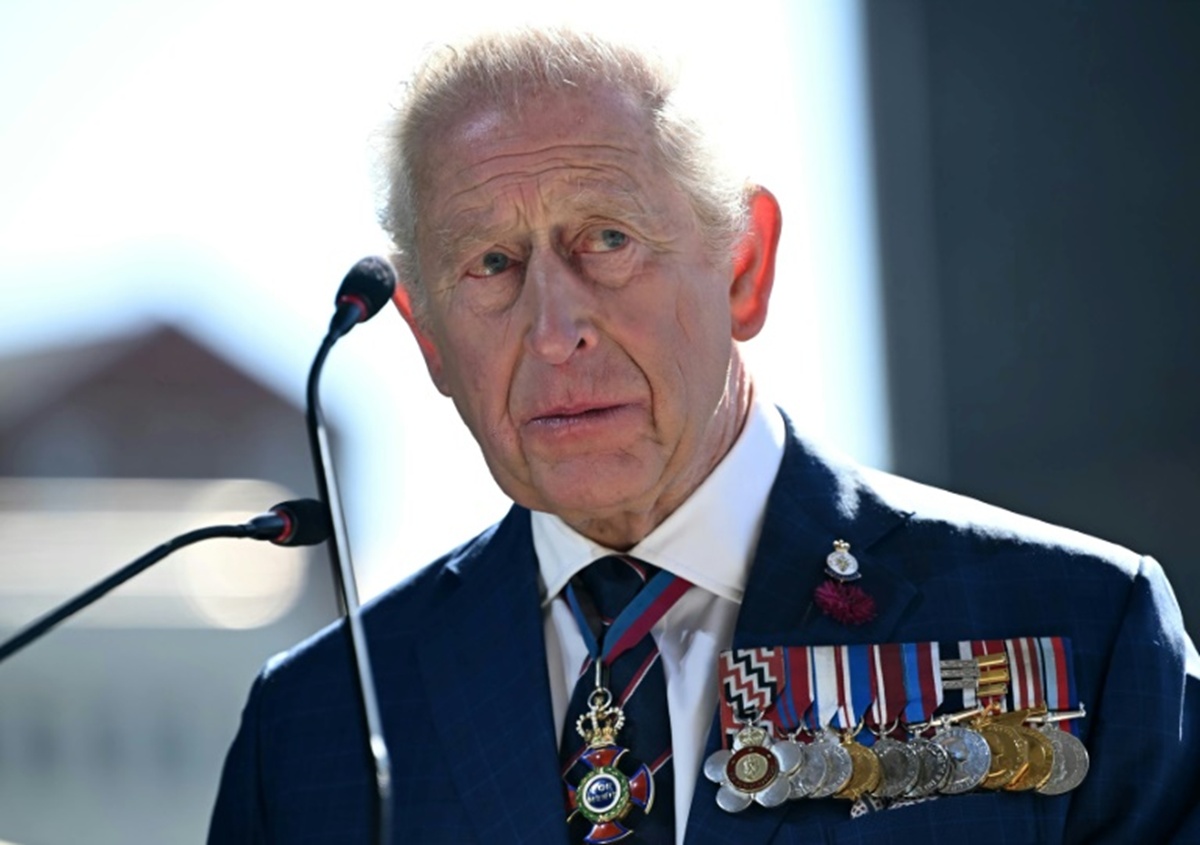
King Charles has reportedly been undergoing a 'cutting-edge' and 'very, very expensive' course of cancer treatment combining immunotherapy withexperimental RNA drugs, a royal editor claimed in London on 30 April, raising fresh questions over the monarch's long‑term prognosis and how far his health has now improved.
The news came after more than two years of guarded updates from Buckingham Palace, which announced in 2024 that King Charles had been diagnosed with an undisclosed form of cancer. At the time, officials declined to name the type or stage of the disease, saying only that it had been detected early and that the King would continue with a reduced public schedule while receiving treatment under medical supervision.
Speaking on theDaily Beastpodcast at the end of the King and Queen Camilla's four‑day visit to the United States, royal editor Tom Sykes said there was now quiet optimism within senior circles about how well the monarch has responded. According to Sykes, the 77‑year‑old sovereign has been treated with 'an incredibly novel and very, very expensive combination of immunotherapy and RNA drugs — absolutely cutting‑edge experimental stuff.'
None of those details has been confirmed by the Palace, so they should be treated with some caution.
Sykes went further, saying doctors were 'incredibly impressed at how the treatment has worked' and that insiders believed there was 'a great deal of optimism [Charles] can carry on for many, many years hence.' His comments followed a visibly demanding trip to the US, during which theKing packed in a string of engagementsand, by Sykes' account, appeared 'energised' rather than exhausted.
For context, King Charles disclosed his cancer diagnosis publicly in early 2024, an unusually frank admission for a British monarch. The revelation prompted a flurry of speculation about succession and the role of Prince William, but the Palace insisted the King remained 'wholly positive' about his treatment.
Since then, information has been released sparingly. In a pre‑recorded message for Channel 4'sStand Up To Cancerbroadcast in December 2025, the King said an early diagnosis and 'effective intervention' meant his schedule of treatment could be reduced in the new year. He called that moment 'a personal blessing' and a testament to advances in cancer care, adding that he hoped his experience might 'give encouragement to the 50% of us who will be diagnosed with the illness at some point in our lives.'
Even then, the Palace avoided the word 'remission.' A spokesperson instead said the King had 'responded exceptionally well to treatment,' and that his doctors were moving his care into a 'precautionary phase,' with ongoing monitoring to 'protect and prioritise his continued recovery.' In other words, better, but not finished.
Against that careful language, Sykes' talk of experimental RNA therapies inevitably feels bolder than anything officials have endorsed. RNA‑based cancer drugs remain largely at the trial stage and, if his account is right, it would place the King among a small, highly resourced group of patients with access to the most advanced options on offer.
Nothing in the Palace's public statements confirms those specifics, and there has been no independent medical verification.
Source: International Business Times UK
