Health officials are on high alert as a rare but deadly respiratory virus is beginning to surface in multiple regions across the United States. While the public remains focused on seasonal illnesses, the sudden necessity to track dozens of potential exposures has triggered a coordinated federal response.
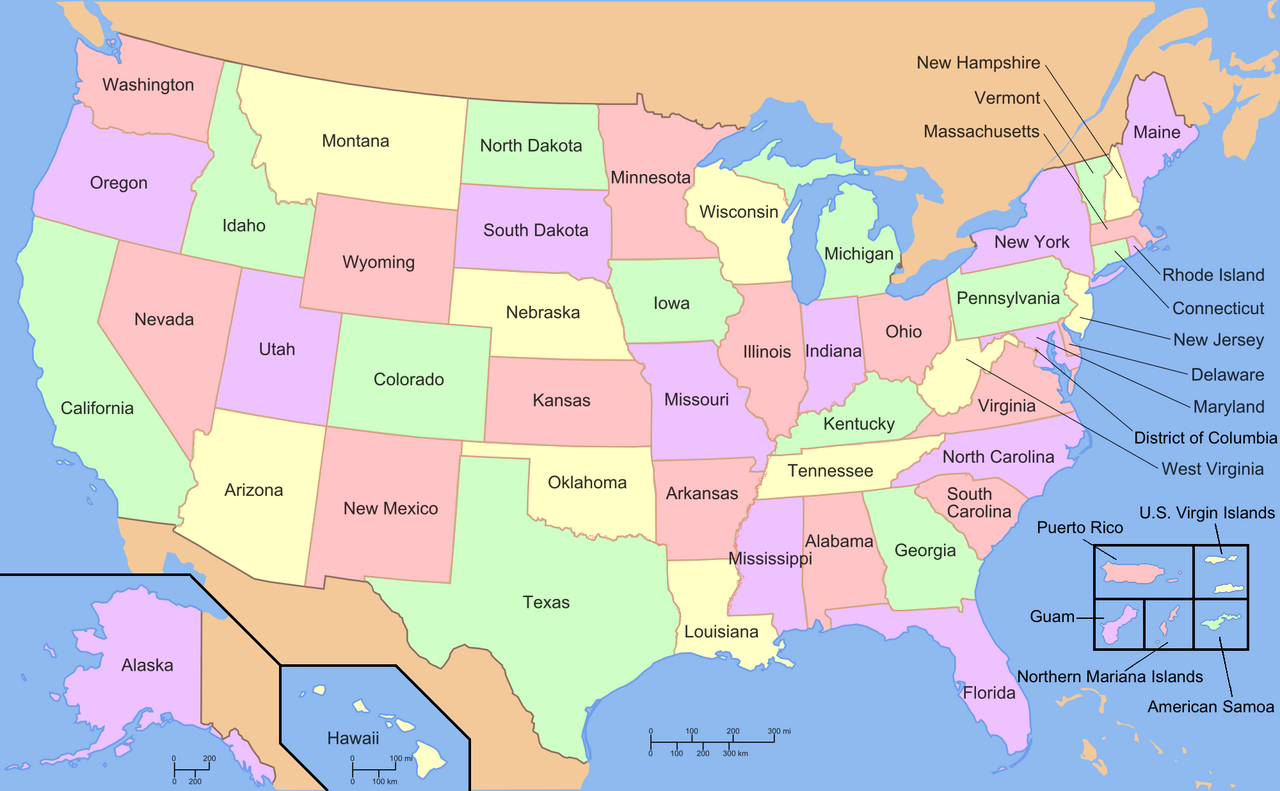
The situation has moved beyond isolated incidents, with surveillance teams now tracing a network of contacts stretching from the Pacific Coast to the Atlantic. Check out the states where individuals who are reportedly exposed or likely exposed to hantavirus reside.
Federal health authorities have confirmed that 41 individuals are currently under active monitoring forHantavirusPulmonary Syndrome (HPS). This rare viral disease is typically transmitted through contact with infected rodents, and the current distribution of cases suggests a broad geographical reach. The monitoring efforts are concentrated in areas where significant exposure has been documented or suspected.
According to Dr. David Fitter, the affected individuals came from three main groups as listed below:
The current list of affected states includes Nebraska with 16 individuals under watch, followed by Georgia with four. Washington and Kansas each have three people being monitored, while Maryland, New Jersey, California, and Texas have reported two each. Arizona, Illinois, Virginia, and Minnesota have also identified one individual apiece for observation.
Monitoring involves daily check-ins to identify early symptoms, such as fever or muscle aches, before the illness progresses to severe respiratory distress. While no widespread lockdowns are in place, the concentration of 16 cases in Nebraska has prompted local health departments to issue specific warnings regarding rodent control.
'Our approach is based on risk and evidence. We are working closely with passengers and public health partners to ensure monitoring and rapid access to care if symptoms develop,' Fitter said (viaUSA Today), while noting that they are 'not using our federal quarantining authority on people.'
The outbreak has not been limited to land, as a significant cluster was identified on the Atlantic cruise ship MVHondius. The vessel became a focal point of maritime safety discussions after multiple passengers exhibited symptoms consistent with hantavirus exposure. This incident has reignited a fierce political debate regarding the efficacy of current health inspections for commercial vessels.
Critics have alleged thatTrump is guttingthe Centers for Disease Control and Prevention (CDC) Vessel Sanitation Program (VSP). Opponents argue that reduced funding and diminished oversight have left cruise liners vulnerable to infestations that lead to such outbreaks. The VSP is traditionally responsible for inspecting ships to prevent the spread of gastrointestinal and respiratory diseases.
The maritime incident served as a catalyst for a larger discussion on whether federal agencies are equipped to handle sudden viral surges. Investigations into the MVHondiuscontinue as health experts determine how the virus was introduced to the ship's environment.
Source: International Business Times UK
