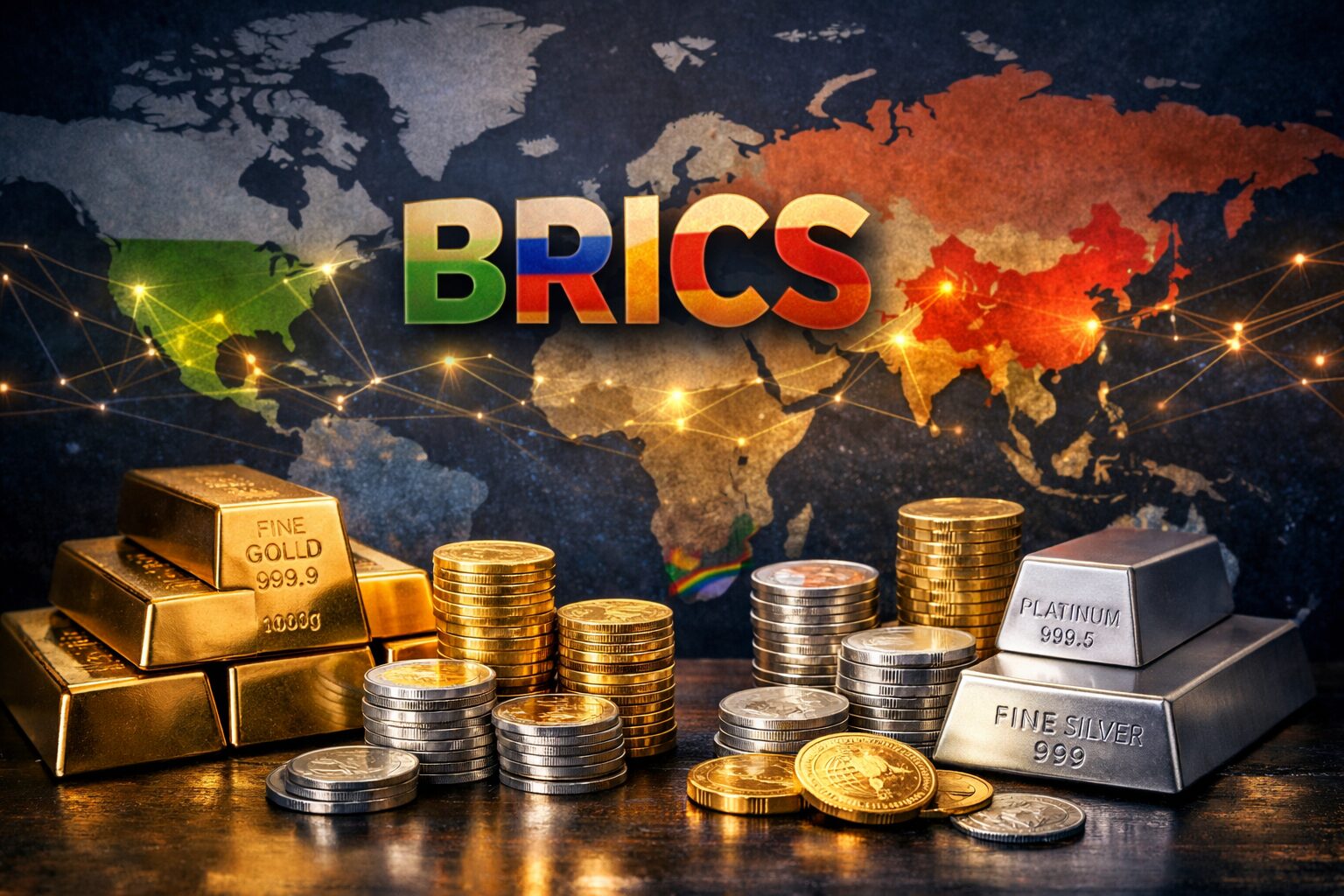
In a significant development for global trade dynamics, BRICS member nations are advancing plans for a dedicated Precious Metals Exchange, with Russian Deputy Foreign Minister Sergey Ryabkov confirming the initiative on February 14, 2026. The platform is set to operate within special economic zones across member states, aiming to establish independent pricing mechanisms free from Western-dominated systems and vulnerabilities like market volatility and U.S. sanctions.
Ryabkov's announcement underscores the exchange as a priority project, functioning alongside a BRICS gold currency initiative and a grain exchange. He highlighted its importance during recent statements, noting, “There is also a recent, but very important, initiative to create an exchange of precious metals, along with a grain exchange.” This move builds on prior discussions by Russian Foreign Minister Sergey Lavrov regarding a common investment platform, extending into a more specialized trading infrastructure.
The framework leverages special economic zones, which exist in nearly all BRICS member countries, to support precious metals trading operations. These zones will host the exchange, providing the necessary infrastructure for seamless BRICS-wide activities and reducing reliance on external financial structures.
Russian officials have positioned the Precious Metals Exchange as a key step toward financial independence. By creating dedicated platforms for commodities like precious metals and grains, BRICS nations seek to mitigate risks associated with sanctions and fluctuating global markets controlled by Western entities.
Russian Finance Minister Anton Siluanov has also been referenced in connection with these developments, signaling high-level governmental backing for the initiative. The confirmation from Ryabkov at the time of reporting solidifies the exchange's status as an imminent reality within the BRICS economic agenda.
This progression reflects broader efforts by BRICS to foster a new global order, with the Precious Metals Exchange serving as a cornerstone in diversifying trade mechanisms beyond traditional dollar-centric systems.