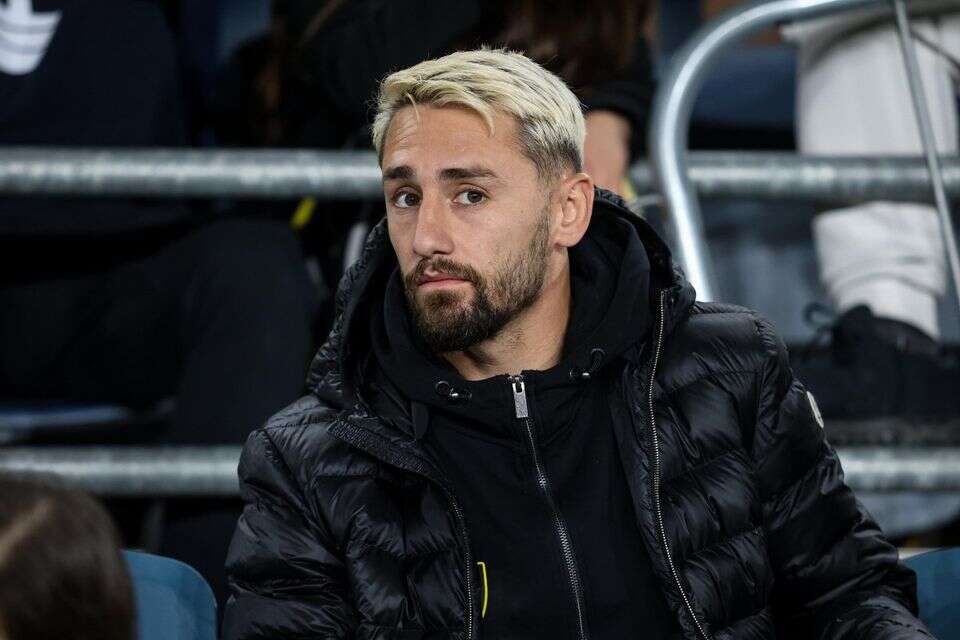
In the midst of Beitar Jerusalem's most severe crisis of the season, marked by four consecutive games without a victory, the club faces yet another critical match without its star player, Omar Azili. The pivotal clash against Maccabi Tel Aviv is set for this evening, Monday at 20:30, but the key player remains sidelined and unprepared to return to the pitch.
Azili, who suffered an injury approximately four weeks ago, continues to struggle with completing full training sessions. The team's medical and professional staff are grappling with a tough dilemma: there is a strong desire to reintegrate the player into the squad to help steer Beitar back toward victories, yet there is significant concern that rushing him could exacerbate the tear in his quadriceps muscle, potentially leading to a much longer absence.
The gap between expectations for a swift return and the prolonged recovery stems from challenges in accurately assessing the extent of the tear. Initially, it was estimated as a minor strain, with attempts made to prepare Azili before every match. However, recent evaluations have revealed the injury to be more substantial than first thought, prompting the medical team to exercise caution to avoid an early return that might worsen the condition.
Speculation has swirled around the circumstances of Azili's injury. About two weeks ago, former coach and commentator Eli Gutman stated on Radio Haifa that Azili had been hurt after shooting at the goal before training without warming up, in violation of protocols. A day later, however, Gutman clarified on air that he had been mistaken and that the injury occurred differently.
According to sources familiar with the details, Azili actually sustained the injury during a routine free-kick training session, which is a standard part of the team's practice regimen, and only after performing the required warm-up.
Azili's value to Beitar cannot be overstated. He boasts the highest success rate on the team: when he plays, Beitar achieves a 77% success rate, but that figure plummets to just 22% in his absence, underscoring the real concern over his continued unavailability.
