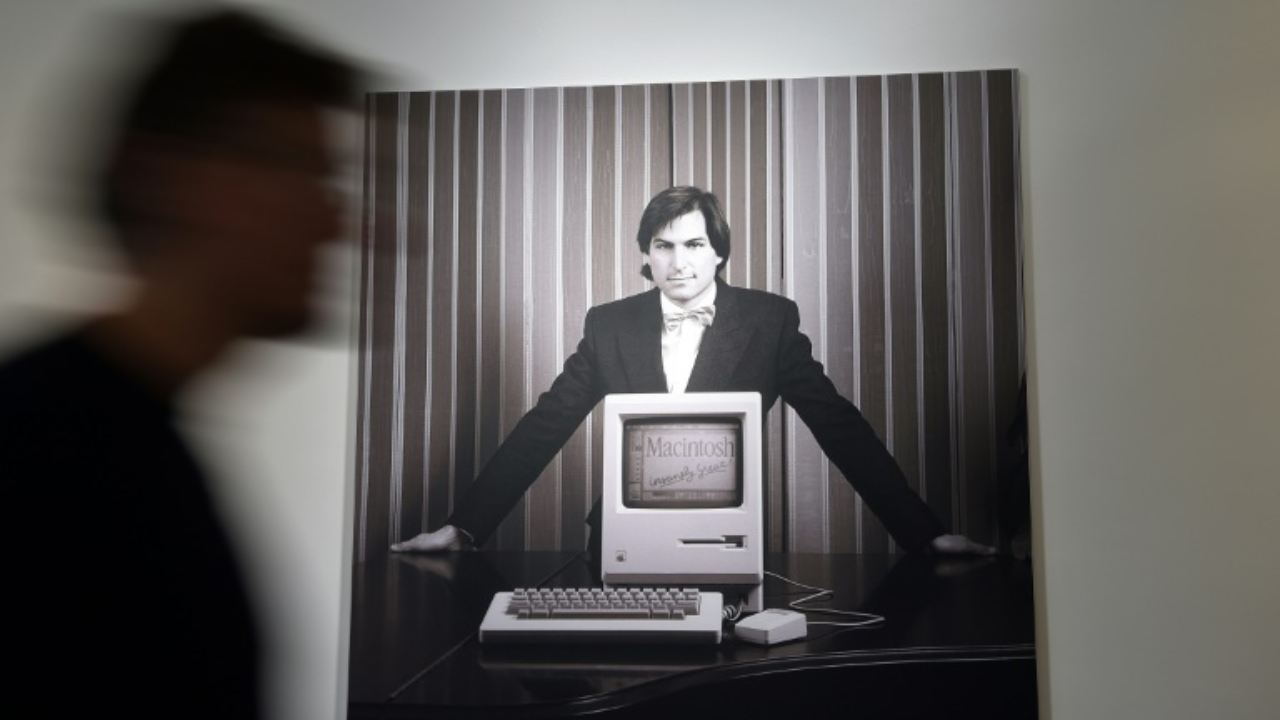
Steve Jobsin exile was far removed from the polished myth that later came to define him. In a new book, authorGeoffrey Cainargues that theApple co founderspent 12 difficult years, from 1985 to 1997, outside the company he helped build, labelled a 'tyrant' by some colleagues and, at one stage, pushed close to personal financial ruin.
Many accounts of Jobs's life move quickly from his early Apple success to his dramatic return and the era of the iMac, iPod and iPhone. The years in between are often treated as a blurred interlude, with NeXT cast as a failure and Pixar reduced to a fortunate bet. Cain'sSteve Jobs in Exile: The Untold Story of NeXT, and the Remaking of a Technology Visionaryargues that those lost years were central to the making of both Jobs and the modern tech industry.
Cain begins in 1985, when Jobs, then 30, was forced out of Apple after a bitter struggle with chief executiveJohn Sculley. TheMacintoshhad failed to meet the hype around its commercial prospects. Inside Apple, Cain writes, colleagues had grown weary of Jobs's temper, unpredictable management and what he describes as a 'tyrannical' leadership style that swung between inspiration and humiliation.
New in@VanityFair: an exclusive excerpt from STEVE JOBS IN EXILE.In April 1985, Apple cofounder Steve Jobs moves against CEO John Sculley during a power struggle. The plan: invite him to Beijing, bail, flip the board while he's out of the country, and install himself as CEO.…pic.twitter.com/C7r38txc87
A boardroom confrontation followed, and Jobs lost. Shut out of the company he had started with Steve Wozniak, he entered what Cain portrays as a long period of personal and professional exile.
Cain spent years reconstructing that period through interviews with former colleagues, archival footage and board records. The result is a portrait that is rougher and more vulnerable than the one preserved in many celebratory accounts of Jobs's life.
AtNeXT, Jobs invested heavily in a business focused on high end computers for universities and companies. It looked like a second chance. Cain argues, however, that Jobs brought many of the same habits with him, including the confrontational leadership style that had helped drive him out of Apple.
On this day in 1988: Steve Jobs unveiled the NeXT computer.He’d been forced out at Apple in 1985.This launch set the stage for his return.pic.twitter.com/N7ySYOqHUA
In an interview with theDaily Star, Cain said Jobs could be 'brutal to his people.' Former staff described angry outbursts in meetings, ideas dismissed as 'stupid' and an atmosphere in which even senior colleagues could be humiliated in public. Cain says the five co founders who joined Jobs at NeXT eventually left because they no longer wanted to work under him.
That breakdown mattered for more than dramatic effect. Cain presents it as the point at which Jobs was forced to confront the limits of charisma and vision. In his account, talent and ambition were not enough if he kept driving capable people away.
Source: International Business Times UK
