The Trump administration's guerrilla video game installation on the Washington, D.C., National Mall has triggered a fresh wave of debate over the use of interactive media as political protest art.
On 11 May 2026, an anonymous satirical art collective known asSecret Handshakeerected three functional arcade cabinets at the DC War Memorial, inviting passersby to play'Operation Epic Furious: Strait to Hell'.
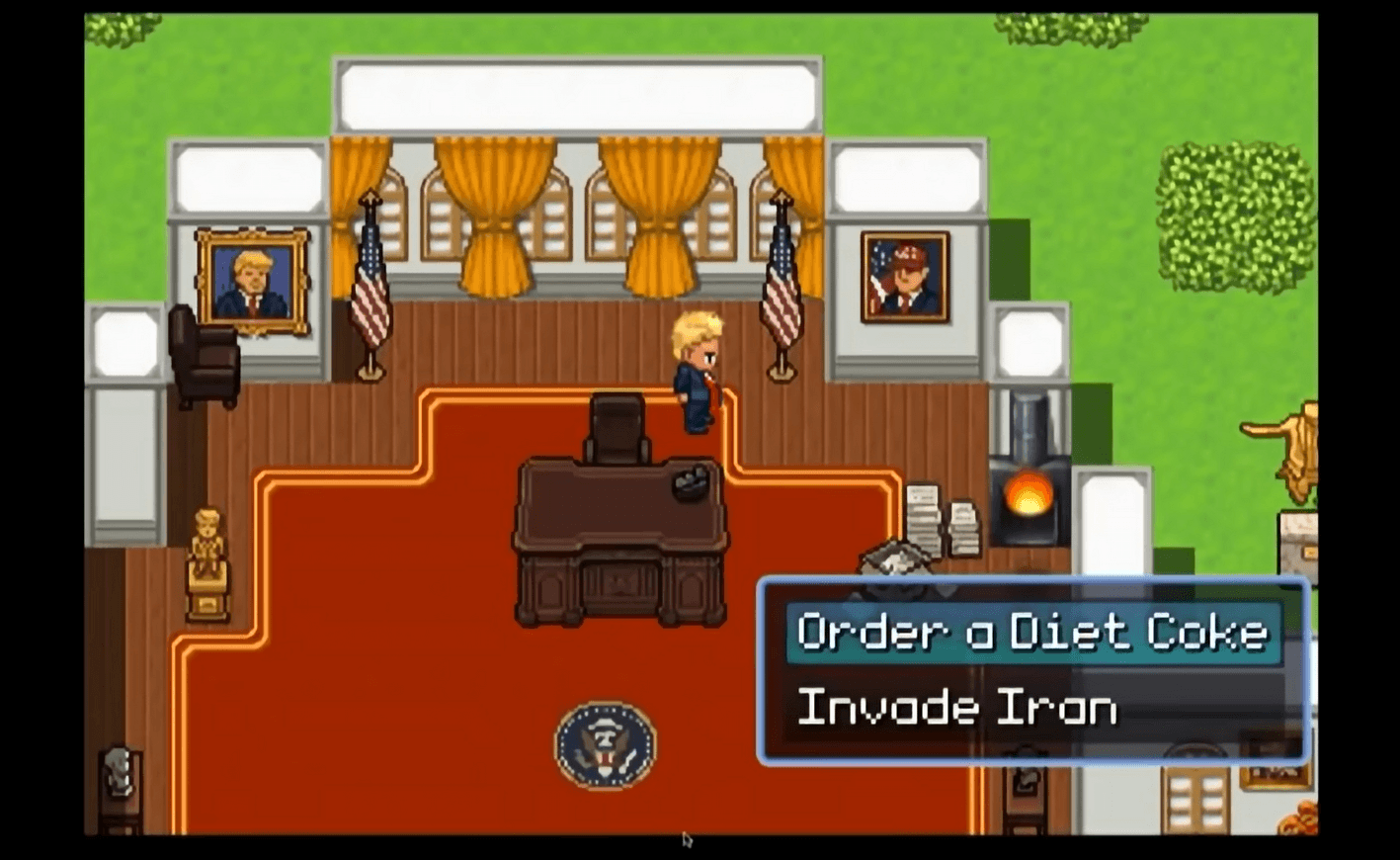
The 16-bit title serves as a scathing parody of the ongoing conflict with Iran, portraying the President and his inner circle in a pixelated quest for oil and 'pixelated patriotism'.
Strategically placed near the Reflecting Pool, the installation has already gone viral, blending retro gaming aesthetics with high-stakes political commentary. This guerrilla project is the latest in a series of provocative works designed to ambush the capital's political establishment with surrealism and satire.
Set near the DC War Memorial on the National Mall, just south of the Reflecting Pool, the installation features three fully working arcade cabinets. What looks at first like a nostalgic throwback to classic gaming quickly turns into a looping political experience where satire, war rhetoric, and absurd humour collide.
The anonymous artists responsible for satirical art installations aimed at the Trump administration struck again this week with a pop-up video game titled “Operation Epic Furious: Strait to Hell.”https://t.co/VpJ8cl8d8ppic.twitter.com/l7f2KO27k3
The 'Operation Epic Furious: Strait to Hell' video game takes the structure of a 16-bit role-playing game and twists it into something deliberately unresolved. Players move through missions that parody political conflict between the United States and Iran, but there is no final-victory screen.
That absence is what has drawn the most attention. Instead of a traditional win-or-loss condition, the game loops endlessly, leaving players trapped in a cycle that never resolves.
One visitor described the experience by saying,'I couldn't tell if there was something I was missing or if that was done on purpose'. That uncertainty now sits at the heart of the installation's viral appeal.
It is this design choice that has led many to call it the war game that won't let you win, not because it is difficult, but because it refuses closure altogether.
Source: International Business Times UK
