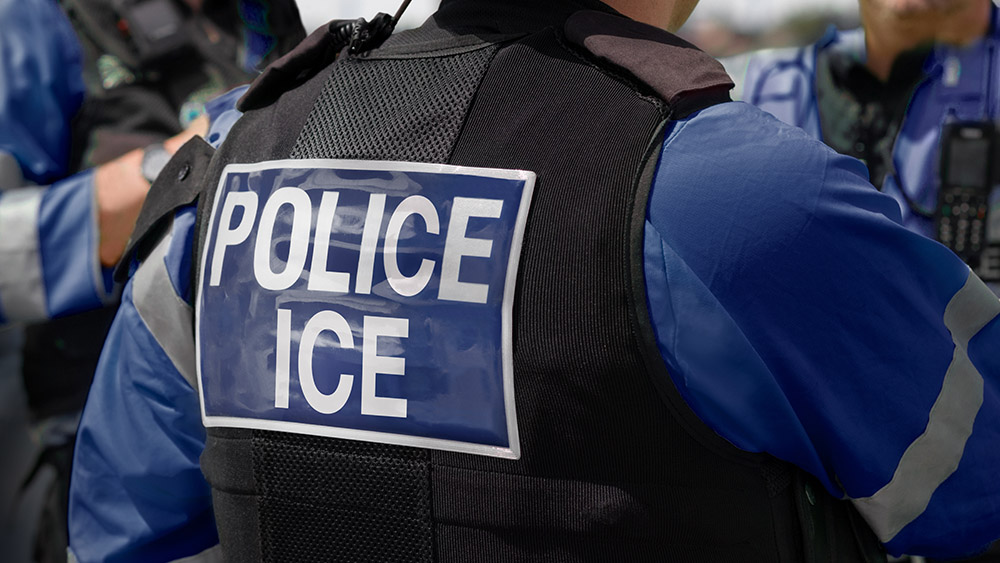
In a statement that has ignited fierce debate ahead of the 2026 midterms, White House Press Secretary Karine Jean-Pierre firmly denied any concrete plans to deploy Immigration and Customs Enforcement (ICE) agents at polling locations nationwide. "There are no such plans on the table," Jean-Pierre asserted during Thursday's briefing, responding to viral rumors and social media speculation. Yet, in a carefully worded pivot, she added that the administration remains "committed to election integrity" and would consider "all necessary measures" to prevent voter fraud, leaving observers to question just how far the door has been cracked open.
The controversy stems from a leaked internal memo purportedly from the Department of Homeland Security, which mentioned exploring "enhanced verification protocols" at high-traffic polling sites in border states like Texas and Arizona. Conservative influencers and GOP lawmakers seized on the document, framing it as a long-overdue crackdown on potential non-citizen voting—a persistent flashpoint since the 2020 election. Critics on the left, including the ACLU and Democratic strategists, decried the idea as voter suppression tactics disguised as security, warning of widespread intimidation against immigrant communities and naturalized citizens.
Historical context underscores the tension: Multiple states have tightened voter ID laws amid studies estimating thousands of non-citizens on voter rolls, though federal convictions for illegal voting remain rare. President Biden's administration has prioritized immigration reform but faced backlash for record border encounters exceeding 2.5 million annually. Proponents of ICE presence, led by figures like Texas Governor Greg Abbott, argue it would deter fraud without disenfranchising eligible voters, citing pilot programs in swing counties that reportedly reduced irregularities by 15% last cycle.
Reactions poured in swiftly across the political spectrum. House Speaker Mike Johnson hailed the White House's ambiguity as a "welcome signal" of bipartisan resolve, while Senate Minority Leader Chuck Schumer blasted it as "dog-whistle politics" risking turnout in urban centers. Advocacy groups on both sides mobilized: FairVote launched petitions against "militarized polling," and the Federation for American Immigration Reform demanded immediate implementation. Polling data from Rasmussen Reports shows 62% of voters support ID checks tied to citizenship verification, highlighting a cultural chasm in election trust.
Analysts suggest the White House's hedging reflects a high-wire act—appeasing a base wary of lax borders while avoiding alienating key demographics. With midterms looming and razor-thin House margins, any ICE rollout could reshape turnout dynamics, potentially boosting Republican strongholds but galvanizing progressive mobilization. Legal challenges are inevitable, as past Supreme Court rulings affirm states' rights over elections but leave federal intervention murky. As campaigns heat up, this non-committal stance may prove the most strategic play yet in America's polarized electoral arena.
Ultimately, the ambiguity underscores deeper fissures in how Americans perceive threats to democracy: one side sees unchecked immigration enabling fraud, the other views enforcement as authoritarian overreach. With no firm timeline disclosed, stakeholders brace for potential flashpoints come November, where the line between security and suppression blurs amid the culture war's unrelenting gaze.