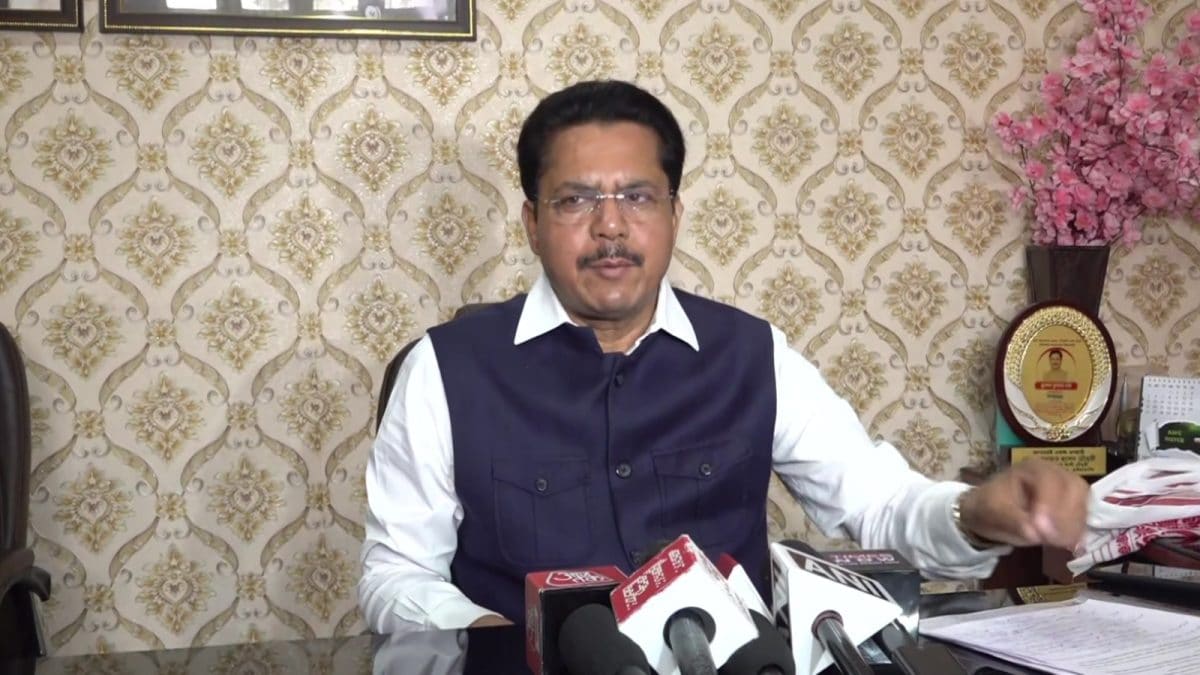
In a dramatic twist within the Indian National Congress, the party leadership on Monday claimed that Bhupen Borah, the Assam Congress chief, had withdrawn his resignation following a 15-minute phone conversation with Rahul Gandhi. However, Borah promptly contradicted the assertion, stating he has not yet reversed his decision and would finalize it by the end of the day.
Assam Congress in-charge Jitendra Singh was the first to announce the supposed withdrawal, informing party members that Bora's resignation had not been formally accepted by the leadership. "Bhupen Borah has spoken to Rahul Gandhi for 15 minutes. The Assam Congress chief has taken back the resignation," Singh declared, signaling an apparent reconciliation within the party's ranks.
Borah, referred to as the former Congress chief in some contexts, directly refuted Singh's comments. He emphasized that he requires additional time to deliberate and has not taken back his resignation as of yet, leaving the situation in limbo and fueling speculation about internal party dynamics in Assam.
The conflicting statements highlight ongoing tensions within the Congress party in Assam, where Borah's role as chief has come under scrutiny. His initial resignation, though not accepted, prompted high-level intervention from Rahul Gandhi, underscoring the leadership's efforts to retain key figures amid political challenges.
Singh's revelation about the phone call between Borah and Rahul Gandhi points to direct involvement from the party's central leadership in addressing the crisis. The 15-minute discussion was pivotal enough for Congress to publicly claim resolution, yet Borah's insistence on needing more time suggests unresolved issues.
As the day progressed, Borah maintained his stance, promising a decision by its close. This back-and-forth has drawn attention to the Assam unit of Congress, where stability is crucial ahead of potential political maneuvers.
Neither side provided further details on the content of the Rahul Gandhi-Borah conversation, but the episode reveals the fragility of party unity. Observers await Borah's final word, which could either mend or exacerbate rifts within the organization.
