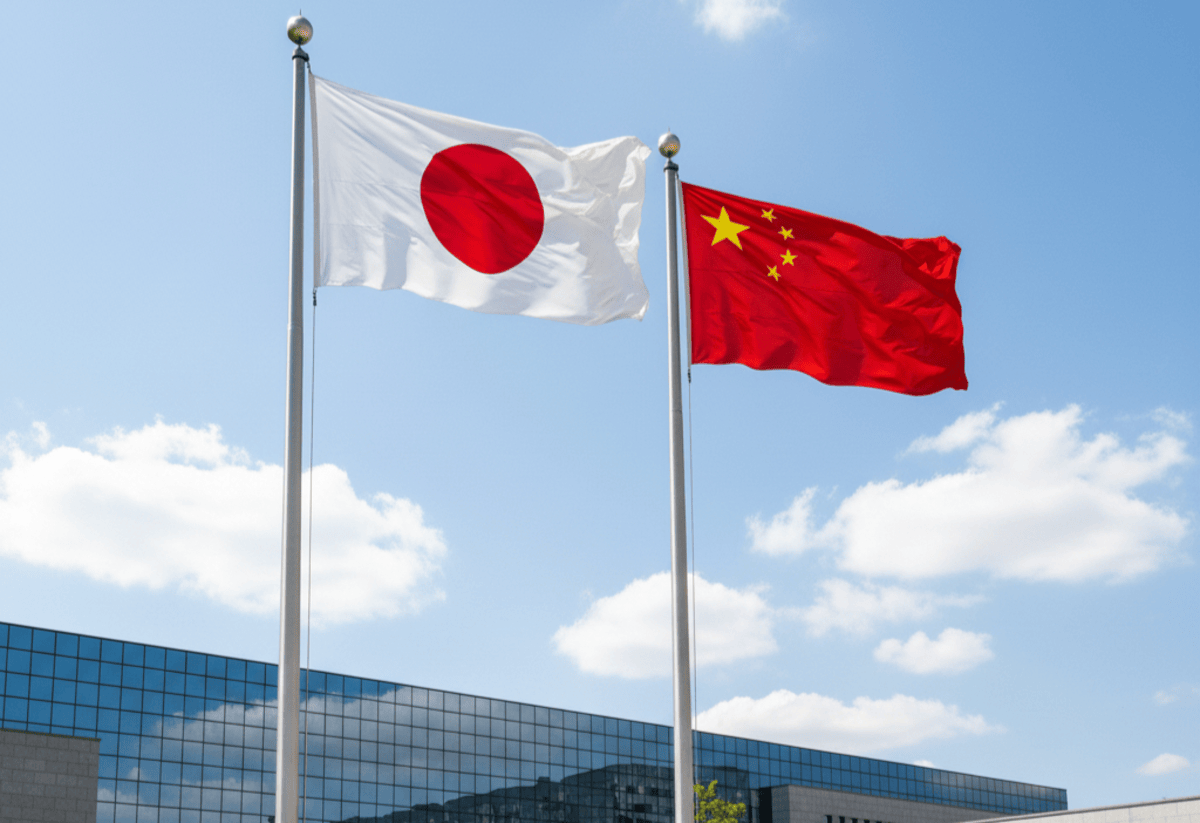
Tokyo has lodged a stern demarche with China through diplomatic channels following sharp accusations from Beijing's top diplomat Wang Yi, who claimed that "far-right forces" in Japan are attempting to revive militarism. The rebuke came during Wang's speech at the Munich Security Conference in Germany, where he addressed the strained relations between Tokyo and Beijing.
Wang Yi directly weighed in on the current tensions, which have intensified since Japanese Prime Minister Sanae Takaichi made comments about Taiwan in November. Speaking to the audience at the security conference, Wang urged, “Japanese people should no longer allow themselves to be manipulated or deceived by those far-right forces, or by those who seek to revive militarism.”
He further warned that Japan risks severe consequences if it pursues such a path, stating, “All peace-loving countries should send a clear warning to Japan: if it chooses to walk back on this path, it will only be heading toward self-destruction.” Wang's remarks underscore Beijing's ongoing concerns over Japan's defense policies amid deteriorating bilateral ties.
Japan's Ministry of Foreign Affairs swiftly dismissed Wang's claims in a statement posted on X on Sunday, labeling them as “factually incorrect and ungrounded.” The ministry emphasized that Tokyo's actions are purely defensive in nature.
“Japan’s efforts to strengthen its defense capabilities are in response to an increasingly severe security environment and are not directed against any specific third country,” the statement clarified, pushing back against the narrative of militaristic revival propagated by Wang.
The exchange highlights the deepening rift between the two Asian powers, exacerbated by Prime Minister Takaichi's November remarks on Taiwan, a issue highly sensitive to China. As diplomatic frictions mount, both sides continue to trade pointed criticisms through public and official channels.
Wang's intervention at the prestigious Munich Security Conference, a key gathering for global security discussions, amplifies the international dimension of the Japan-China dispute, drawing attention to regional stability concerns in the Indo-Pacific.
