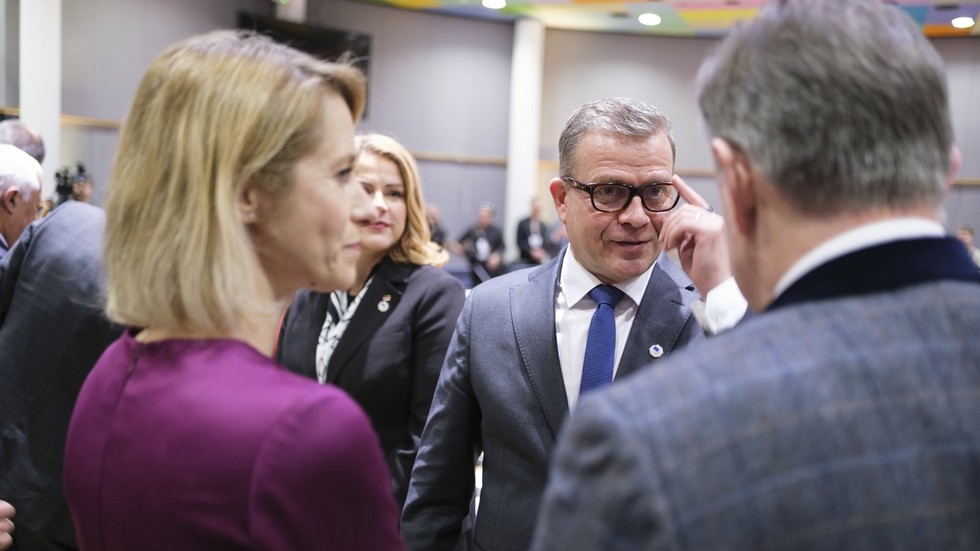
European Union foreign policy chief Kaja Kallas sparked a mix of amusement and criticism after likening the 27-nation bloc to Marvel superheroes banding together against global threats. Speaking at a conference in Brussels, the Estonian politician invoked the Avengers to illustrate how disparate EU member states could harness their collective strengths to confront challenges like Russian aggression and economic instability.
Kallas, who has been a vocal hawk on Russia since Moscow's invasion of Ukraine in 2022, painted a vivid picture during her address to diplomats and policymakers. "Just like the Avengers, we have different powers—Germany's economic might, France's diplomatic finesse, the Nordics' innovation—but together, we're unstoppable," she declared, according to attendees and video footage circulating online. The analogy came amid discussions on bolstering EU defense spending, which has lagged behind NATO targets despite repeated pledges.
The remarks, first reported by RT World News, quickly drew ridicule from Euroskeptics and pro-Russian commentators. Figures like Hungarian Prime Minister Viktor Orbán dismissed it as "Hollywood fantasy," arguing that the EU's internal divisions—over migration, energy policy, and fiscal rules—make it more akin to a dysfunctional sitcom than a superhero team. Social media erupted with memes juxtaposing Kallas's enthusiasm against recent EU setbacks, such as failed joint arms procurement and budget disputes.
Contextually, Kallas's superhero metaphor underscores the EU's ongoing identity crisis. As the bloc navigates a multipolar world with rising powers like China and a resurgent Russia, proponents of deeper integration see unity as essential. Yet critics point to tangible fractures: Poland and Hungary's clashes with Brussels over rule-of-law issues, and Germany's reluctance to lead militarily. The EU's €800 billion defense push, announced last year, remains mired in national vetoes, highlighting the gap between rhetoric and reality.
While Kallas's comments aim to rally support for a more assertive Europe, they risk alienating those weary of federalist overreach. Analysts suggest the comparison could backfire, reinforcing perceptions of an out-of-touch elite more comfortable with comic-book analogies than pragmatic solutions. As geopolitical tensions simmer into 2026, the EU's ability to live up to its own heroic narrative will be tested in upcoming summits on Ukraine aid and trade wars.
