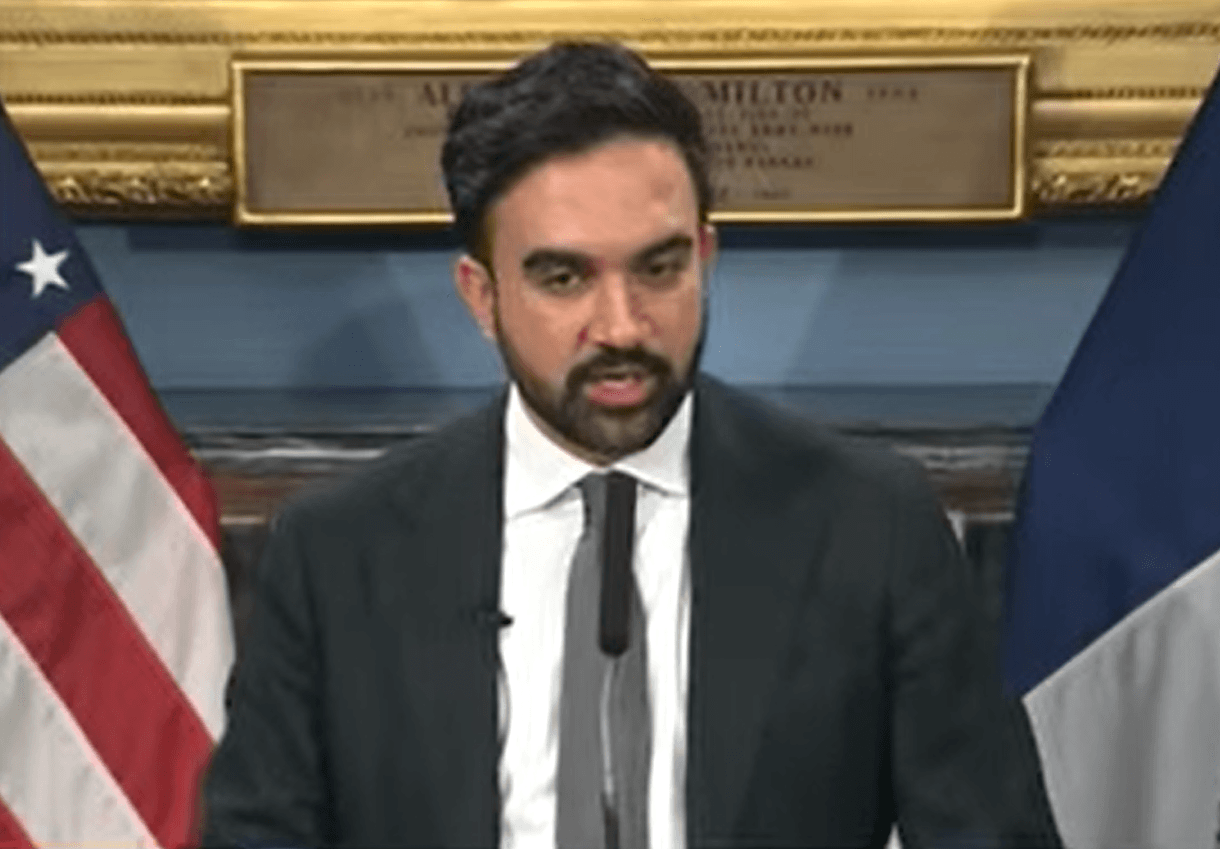
Zohran Mamdani's $12 billion deficit has officially been closed in New York City's latest budget deal. Still, the headline victory is already colliding with a more complicated reality behind the scenes, one that involves state intervention, dropped tax threats, and growing warnings about fiscal smoke and mirrors.
Mayor Mamdaniis declaring a win, but critics are asking a sharper question: did he actually fix the problem, or simply reshuffle it into next year's headache?
For Zohran Mamdani, the message was simple and confident. At a press conference, he announced the city had 'closed the gap entirely, down to zero', framing the budget as proof that New York could balance ambition with fiscal discipline without punishing working families.
On paper, the numbers support the claim. The budget addresses a combined shortfall of roughly $12 billion over two fiscal years, including a $5.6 billion gap this year and an estimated $7 billion gap next year.
But the way that gap was closed is where the story starts to shift.
Instead of the clean tax-the-wealthy approach Mamdani originally pushed, the final deal leans heavily on outside help, especially from Kathy Hochul, who stepped in with additional state support after resisting the mayor's proposed tax increases.
There was never a $12 billion hole in the budget. That fairy tale was cooked up to justify reckless spending and political theater.I left the incoming administration with $8 billion in reserves, not a financial apocalypse.Albany election-year bailouts are not a long-term…https://t.co/DfDnyk9oEB
The turning point in the negotiations came when Mamdani dropped his push for higher corporate and wealthy New Yorker income taxes, a proposal that had already faced strong resistance in Albany.
In its place came a layered package of state assistance and fiscal workarounds that ultimately made the math work.
The state package includes roughly $4 billion in additional support, bringing total assistance to nearly $8 billion over two years. That funding is built from multiple streams, including $352 million in direct aid, $3.2 billion tied to state-authorised programs, and $500 million in new revenue adjustments.
Source: International Business Times UK
