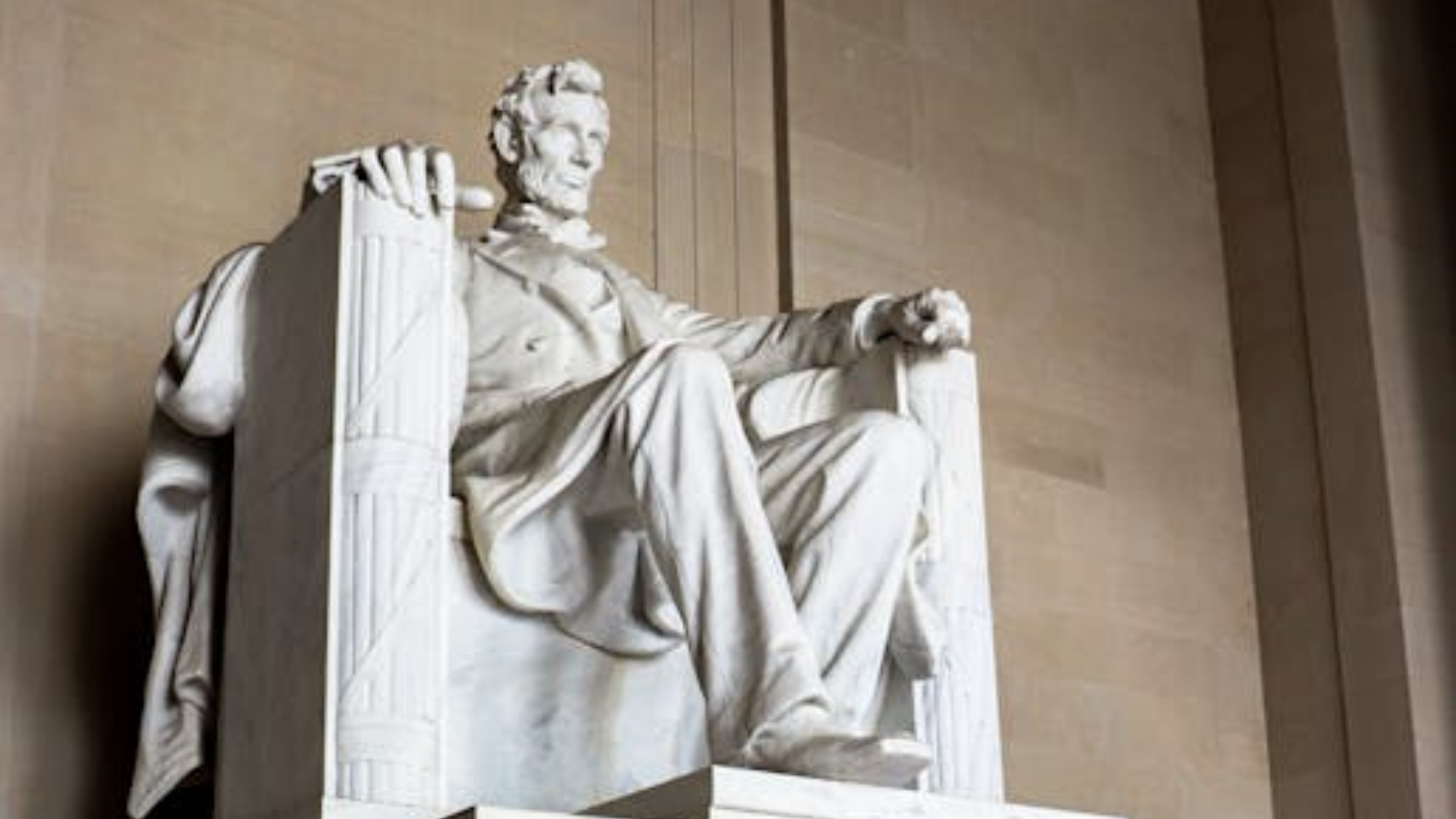
As Americans gear up for the long weekend in February, confusion persists over President's Day: is it merely a shopping spree pretext, or a legitimate holiday impacting schools, banks, and government operations? With states varying in their observances and retailers pushing major discounts, the holiday's true status demands clarification amid its dual role as civic tribute and commercial event.
Officially, President's Day is a federal holiday in the United States, observed annually on the third Monday of February. It honors all US presidents, though it is most commonly associated with George Washington and Abraham Lincoln. The day serves as a moment for reflection on the nation's history and the leadership of its highest officeholders.
Federal offices, including the United States Postal Service, close for the holiday, as do many public schools, granting time off to students and staff. Courts and certain administrative agencies also suspend operations, aligning with the federal observance.
Private businesses, however, face no mandate to shut down, and many opt to stay open. Retailers frequently capitalize on the occasion with sales and promotions, transforming President's Day into a blend of civic remembrance and shopping frenzy.
The holiday traces its roots to the celebration of George Washington's birthday on February 22. Abraham Lincoln's birthday on February 12 was similarly observed in several states. In 1971, the Uniform Monday Holiday Act shifted the federal commemoration to the third Monday in February, aiming to create a long weekend while combining recognition of both presidents.
Despite this federal standardization, some states retain distinct traditions. Virginia continues to celebrate Washington's Birthday separately, while Connecticut recognizes both Washington and Lincoln. Over time, the holiday has broadened to encompass all US presidents, moving beyond its original focus on these two figures.
