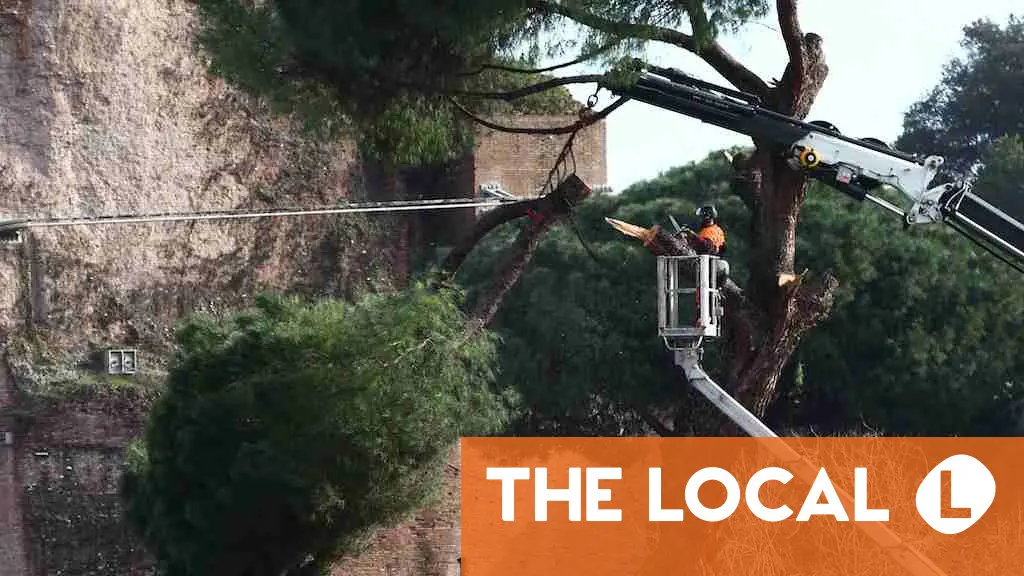
In a decisive move to safeguard one of the world's most iconic landmarks, Rome's municipal authorities have begun felling dozens of aging pine trees encircling the Colosseum, following a series of alarming collapses that endangered tourists and residents alike. Chainsaws echoed through the ancient forum last week as workers targeted the umbrella pines—symbols of the Eternal City's romantic skyline—after a 150-year-old specimen toppled onto a busy pedestrian path in January, narrowly missing a group of visitors. Officials cited structural instability, exacerbated by root rot and recent storms, as the primary culprits behind the incidents that have claimed at least three trees since late 2025.
The Colosseum area, drawing over seven million visitors annually, has long been shadowed by these towering pines planted in the 19th century to evoke a picturesque Mediterranean landscape. However, decades of neglect, coupled with pine processionary moth infestations and climate-driven heavy rains, have turned the trees into liabilities. A particularly dramatic collapse occurred during a New Year's Eve windstorm, when a massive pine crushed part of a protective barrier, scattering debris across the amphitheater's perimeter and prompting an emergency evacuation. Experts from Rome's Parks Department confirmed that fungal diseases had hollowed out the trunks, rendering many trees at risk of sudden failure.
Rome's mayor, Roberto Gualtieri, defended the operation as a necessary precaution, stating that public safety trumps aesthetic nostalgia in a city where historic sites intersect with modern urban life. The removal targets 28 pines immediately, with plans to assess another 50 along the nearby Via dei Fori Imperiali. Critics, including heritage groups like Italia Nostra, decry the move as hasty, arguing that surgical pruning and disease treatment could have preserved the canopy. Environmentalists point to broader failures in urban forestry management, noting that Rome loses hundreds of trees yearly to similar issues amid budget constraints and bureaucratic inertia.
As stumps are cleared and the skyline alters, the city promises replacements with more resilient species like holm oaks, aiming to blend safety with sustainability. This episode underscores Rome's perennial struggle to balance its archaeological treasures with living greenery, especially as extreme weather patterns intensify. Archaeologists monitoring the site report no damage to ancient structures so far, but the visual transformation has already sparked heated online debates, with some lamenting the loss of postcard-perfect views and others applauding the proactive stance against preventable tragedies.
Looking ahead, the felling operation is part of a €5 million initiative to revamp green spaces around Rome's central historic district, including soil remediation and advanced monitoring tech like drone inspections. While the immediate threat recedes, the controversy highlights the delicate equilibrium Rome must strike: honoring its layered past while adapting to a changing climate. Tourists arriving this spring will encounter a leaner, safer silhouette around the Flavian Amphitheatre, a poignant reminder that even in the Eternal City, nothing stands forever unchanged.
