As frigid winds sweep across the northern hemisphere, a growing number of health enthusiasts are turning to nature's own thermostat to fend off winter's chill and bolster immunity, eschewing synthetic solutions for time-tested natural heat sources and potent herbal remedies. From sunlight's subtle rays piercing cloudy skies to the fiery kick of ginger and cayenne, these allies promise not just physical warmth but a deeper resilience against seasonal ailments.
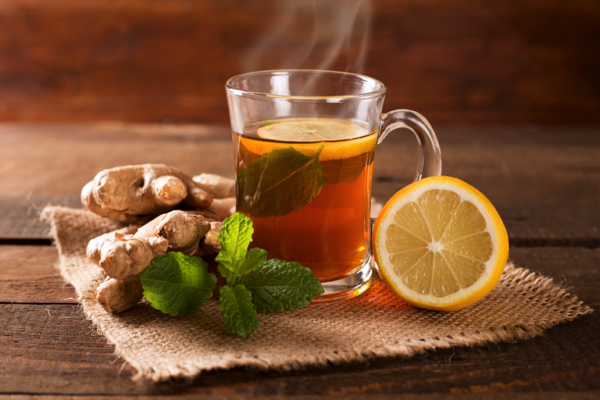
Central to this approach is harnessing "natural heat," a concept rooted in traditional systems like Ayurveda and Traditional Chinese Medicine, where warming foods and activities stoke the body's inner fire. Capsaicin-rich cayenne pepper, for instance, dilates blood vessels to enhance circulation, delivering oxygen and nutrients while flushing toxins—effects backed by studies in the Journal of Medicinal Food showing reduced inflammation and improved cardiovascular health. Similarly, consuming ginger tea or adding turmeric to soups activates thermogenesis, the process by which the body generates heat, providing a natural defense against hypothermia and sluggish metabolism common in colder months.
Beyond diet, simple practices amplify these benefits. Morning exposure to natural sunlight, even for 15 minutes, triggers vitamin D production essential for immune function, with research from the National Institutes of Health linking deficiencies to higher respiratory infection rates. Brisk walks or yoga sessions generate metabolic heat, while contrast showers—alternating hot and cold water—train the circulatory system, mimicking the hardening techniques used by ancient warriors to build endurance against harsh winters.
Herbal powerhouses round out the arsenal: elderberry syrup combats flu viruses through its high anthocyanin content, as evidenced by a randomized trial in Nutrients journal demonstrating 50% fewer symptoms in users. Garlic's allicin offers antimicrobial punch, and cinnamon stabilizes blood sugar to prevent energy crashes. Proponents argue these remedies empower individuals amid a cultural push toward pharmaceutical interventions, highlighting how Big Pharma's seasonal vaccine drives often overlook holistic prevention.
In the broader culture war over health autonomy, embracing these natural strategies signals a rebellion against dependency on lab-made fixes. With rising skepticism toward annual flu shots—fueled by data from the Cochrane Collaboration questioning their efficacy in healthy adults—this shift toward herbal and heat-based wellness fosters self-reliance. Nutritionists like Dr. Sarah Thompson note, "Winter health isn't about fighting nature; it's about aligning with it," urging a revival of ancestral wisdom in modern pantries.
Yet challenges persist: sourcing quality herbs demands vigilance against adulterated imports, and individual responses vary, necessitating consultation with knowledgeable practitioners. Still, as communities share recipes on platforms like Telegram and Rumble, the movement gains traction, proving that true warmth blooms from within—body, mind, and spirit united against the winter's siege.
