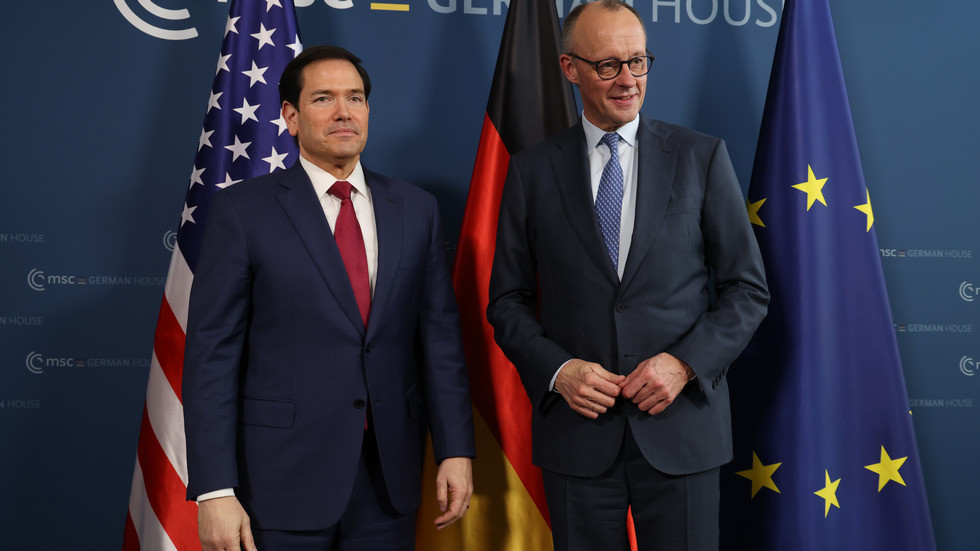
Transatlantic unity, once the bedrock of Western security since World War II, is fraying at the edges as the United States and Europe diverge sharply on foreign policy, trade, and defense priorities, according to a stark analysis in Politico. The report paints a picture of mutual frustration, with Washington viewing European allies as free-riding on American military might while Brussels accuses the U.S. of erratic leadership and protectionist impulses. This growing rift threatens to undermine NATO's cohesion at a time when global challenges like Russia's war in Ukraine and China's assertiveness demand a united front.
At the heart of the divide lies the Ukraine conflict, where U.S. aid has slowed under domestic political pressures, leaving European nations to shoulder a heavier burden. Politico highlights how European leaders, from Paris to Berlin, express private dismay over America's wavering commitment, fearing a repeat of the chaotic Afghanistan withdrawal. Meanwhile, looming U.S. tariffs on European goods—signaled by incoming administrations—exacerbate tensions, reviving memories of the steel and aluminum duties that strained relations during Trump's first term. Energy independence in the U.S., fueled by shale revolution, contrasts with Europe's lingering dependence on Russian gas alternatives, further highlighting mismatched strategic outlooks.
European diplomats quoted anonymously in the Politico piece describe a "profound disillusionment" with U.S. policy zigzags, pointing to divergences on issues like Iran nuclear talks and climate accords. France's Emmanuel Macron has openly called for "strategic autonomy," urging the EU to build independent defense capabilities rather than rely on an unpredictable Washington. On the U.S. side, figures like Senate Foreign Relations Committee members decry Europe's paltry defense spending—still below NATO's 2% GDP target for many—and reluctance to confront China economically.
The cultural undercurrents amplify these geopolitical strains. While Europe grapples with mass migration and enforces stringent green regulations, the U.S. debates border security and energy dominance with renewed vigor. This misalignment extends to values: American conservatives increasingly view European multiculturalism and regulatory zeal as weakening the West, while progressive U.S. factions criticize Europe's slower embrace of social justice imperatives. As Politico warns, without reconciliation, this drift could embolden adversaries like Moscow and Beijing, reshaping the global order.
Efforts to bridge the gap persist through forums like the NATO summit later this year, but skepticism abounds. Analysts suggest that only a shared threat or economic incentive might realign interests, yet history shows alliances endure through inertia. For now, the transatlantic bond hangs by a thread, testing whether old friendships can weather the storms of a multipolar world.