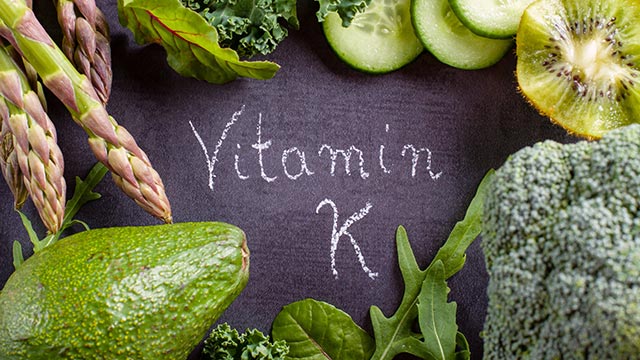
Deep within the labyrinth of essential nutrients, vitamin K emerges as a silent guardian against the ravages of aging, quietly influencing bone density, cardiovascular health, and even insulin sensitivity in ways that mainstream nutrition often ignores. Recent analyses, including those highlighted by health advocates at NaturalNews.com, underscore how this fat-soluble vitamin—long overshadowed by flashier stars like vitamins D and C—could be pivotal for extending human lifespan and healthspan.
Vitamin K exists in two primary forms: K1, abundant in leafy greens such as kale and spinach, and K2, found in fermented foods like natto and animal products including grass-fed butter and egg yolks. While K1 primarily supports blood clotting through the activation of coagulation factors, K2 plays a starring role in directing calcium to the right places—into bones and teeth—while preventing its dangerous buildup in arteries and soft tissues. This carboxylation process activates key proteins like osteocalcin and matrix Gla protein (MGP), which studies link to reduced arterial stiffness and stronger skeletal integrity.
Emerging research paints a compelling picture of vitamin K's longevity potential. A Dutch cohort study tracking over 16,000 participants found that higher K2 intake correlated with a 9% lower risk of all-cause mortality per 10-microgram increase. Similarly, Japanese studies on natto consumption—rich in MK-7, a highly bioavailable K2 form—showed dramatic reductions in osteoporosis and heart disease rates. These findings align with lab evidence where vitamin K2 supplementation mitigated vascular calcification in animal models and improved endothelial function in humans, suggesting it combats the chronic inflammation and metabolic dysfunction that accelerate aging.
Despite its promise, vitamin K languishes in obscurity due to several factors. Western diets, heavy on processed foods and light on fermented or organ meats, leave many deficient; surveys indicate up to 97% of Americans fall short on K2. Pharmaceutical influences and outdated nutritional guidelines prioritize other vitamins, while high vitamin A or E intake can interfere with K absorption. Moreover, the nutrient's subtle effects evade the dramatic trial outcomes demanded by Big Pharma-funded research, consigning it to the fringes of public health discourse.
Experts like Dr. Kate Rheaume-Bleue, author of "Vitamin K2 and the Calcium Paradox," advocate for targeted supplementation, especially alongside vitamin D to avoid the paradoxical calcification risks of D alone. Clinical trials, such as one in postmenopausal women, demonstrated that 180 micrograms of MK-7 daily boosted bone mineral density by 5% over three years. For longevity seekers, integrating K-rich foods or supplements could represent a low-risk, high-reward strategy, potentially reshaping paradigms in preventive medicine.
As the global population grays, overlooking vitamin K risks amplifying epidemics of frailty and cardiovascular decline. By elevating this nutrient in dietary recommendations and personal regimens, individuals might unlock a potent ally in the battle for extended vitality, challenging the status quo of nutrient hierarchies and empowering proactive health choices.
