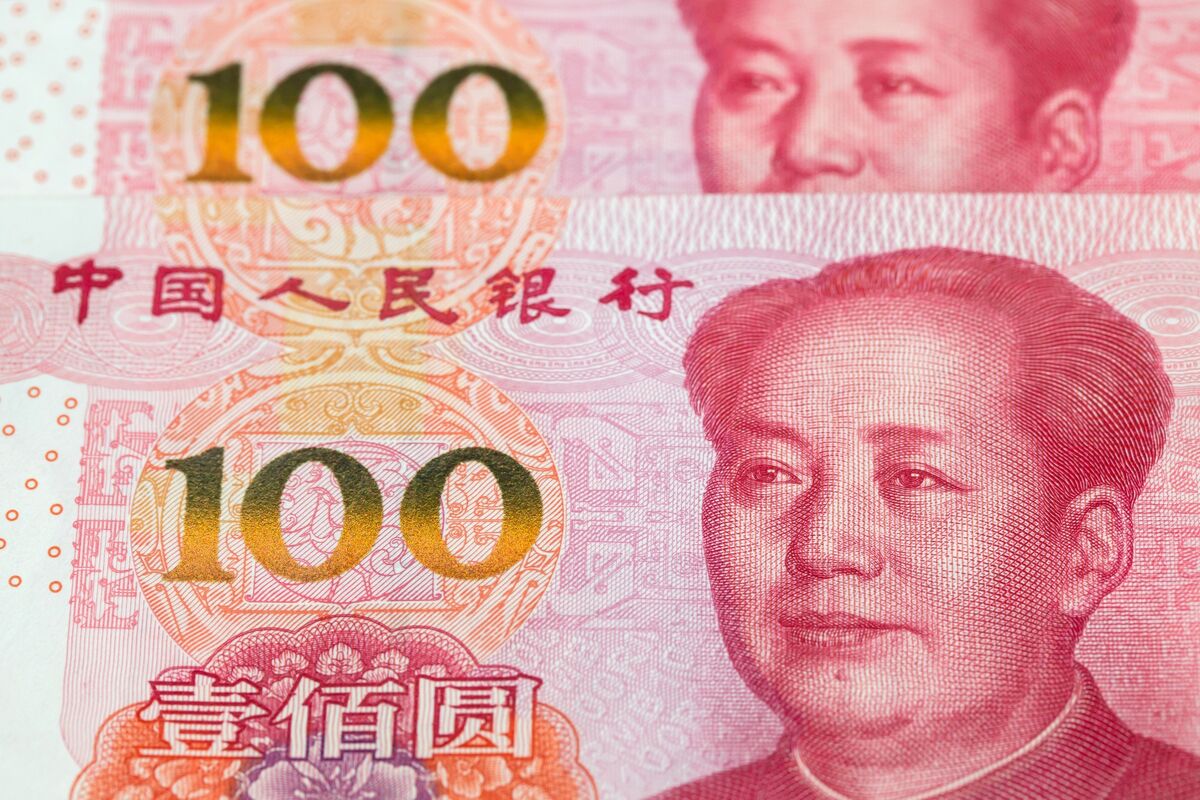
After the US, Israel, and Iran war broke out in late February, the procurement of crude oil came to a standstill with the blockade of the Strait of Hormuz. While the West previously sanctioned other countries, this time around, Iran called the shot on energy trade. The West was unable to succeed in talks to open the sea trade route, leading to an increase in oil prices in the West. In the last three months, emerging economies have been paying the Chinese yuan for oil payments, aiding the de-dollarization agenda.
According to a recent report from Nikkei, payments in the Chinese yuan for oil trade have tripled since 2021. Not just for crude oil, developing countries are paying in the local currency for several other commodities. The data shows that payments in China’s Cross-border Interbank Payment System (CIPS), which is an alternative to the West’s SWIFT, reached settlements worth 1.46 trillion yuan (equivalent to $214 billion) in March. Chinese yuan is increasingly being pushed ahead, promoting the consensus of the de-dollarization initiative.
Also Read:IMF: Climbing Oil Prices Risks Sending Economy into Recession
Not just the Chinese yuan, even cryptocurrencies like Bitcoin are now aiding the de-dollarization movement.A recent report from Chainalysisshows that the acceptance of cryptocurrencies among sanctioned nations has surged by 700%. Payments in cryptocurrencies have already reached a whopping $154 billion, and the US dollar plays no role in these. Countries such as Russia and Iran were the frontrunners in accepting digital currencies for payments.
However, even after the rapid growth in de-dollarization, only 3% of the global settlements are conducted in the Chinese yuan. Though the number has doubled over the past five years, the advancement is occurring at a faster pace. This comes even after Trump’s threats of increasing tariffs if they don’t use the US dollar for trade.
Source: Watcher Guru
