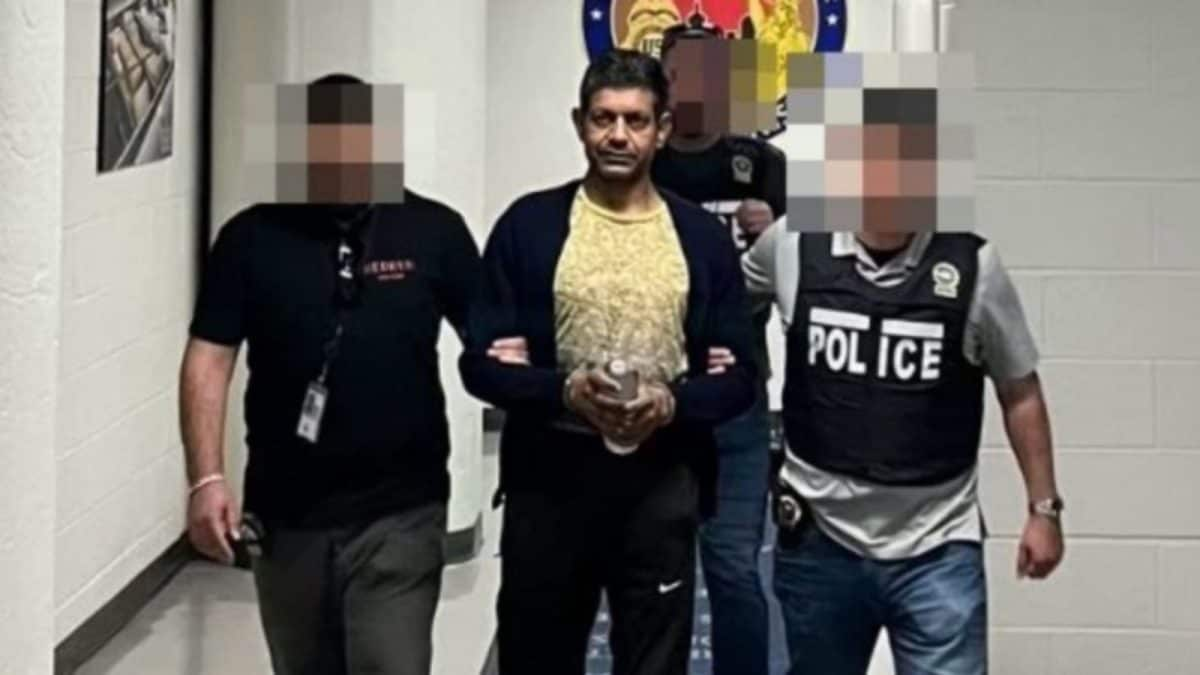
In a stunning courtroom development, Nikhil Gupta, an Indian national accused of orchestrating a failed murder-for-hire plot against Khalistani separatist Gurpatwant Singh Pannun in New York, pleaded guilty to three serious federal charges. The unexpected U-turn has sparked intense speculation about the motivations behind Gupta's admission, as he faces the prospect of decades behind bars in a case that has strained U.S.-India relations.
Gupta's guilty plea came in a U.S. federal court, where he admitted to murder-for-hire, conspiracy to commit murder-for-hire, and conspiracy to commit money laundering. U.S. officials have pointed fingers at India, alleging—without providing proof—that Gupta acted on orders from an Indian government employee. The high-profile case drew global attention after Gupta's extradition from the Czech Republic in 2024, followed by months in custody at the Metropolitan Detention Center in Brooklyn while awaiting trial.
Legal experts, cited by The Times of India, point to one key factor in Gupta's decision: the potential for a significantly reduced prison sentence. Under U.S. federal sentencing guidelines, pleading guilty earns credit for "acceptance of responsibility," which could slash his maximum exposure from 40 years to a recommended range of 21 to 24 years. This substantial incentive likely played a pivotal role in his choice to avoid a full trial.
Another compelling reason appears to be sidestepping a sensational public trial that would lay bare incriminating evidence. Reports indicate that prosecutors possessed intercepted communications and details of negotiations for a $100,000 payment to a hitman, all of which would have been exposed in open court. By pleading guilty, Gupta preempted this scrutiny, sparing himself and potentially others from further damaging revelations.
Sources close to Gupta's family, speaking to The Indian Express, revealed an emotional and practical dimension to his plea. After a prolonged legal ordeal marked by extradition and extended pretrial detention, the battle had become emotionally and financially draining. The family sources suggested Gupta chose to "take the blame" on himself, opting to end the uncertainty rather than endure a drawn-out trial and sentencing hearing.
Gupta's admission caps a saga that began with the foiled plot against Pannun, a vocal Khalistani advocate, and underscores the complexities of international extraditions and counterterrorism cases. While the plea resolves his immediate legal fate, it leaves lingering questions about the broader allegations linking the plot to Indian officialdom, with no concrete evidence presented to date.
