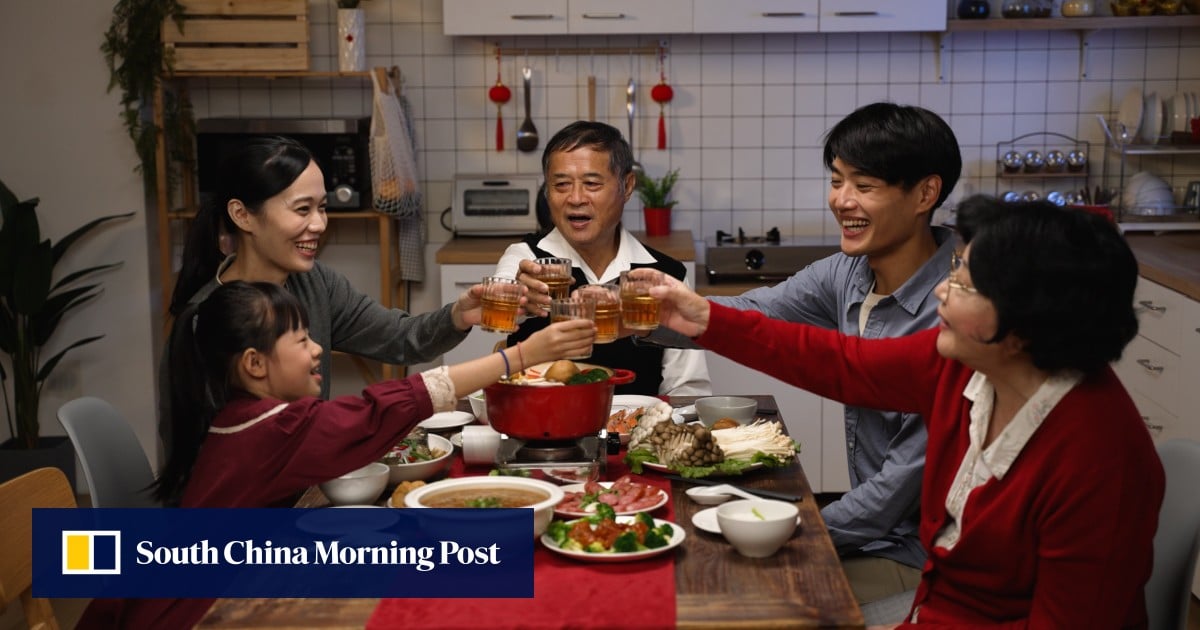
As Lunar New Year approaches, Chinese families are increasingly shunning pre-made meals for their traditional reunion dinners, opting instead for quality and authenticity amid a brewing scandal in the prepared food sector. A public spat between a star influencer and a major restaurant chain has turned these convenient dishes into a "hot potato" at dinner tables across the country, prompting hosts to prioritize homemade or trusted options over mass-produced alternatives.
The controversy has amplified long-simmering doubts about the prepared food industry, sparking widespread discussions on trust, disclosure, and regulation. What was once a booming convenience for busy professionals is now facing scrutiny, especially during the culturally significant Lunar New Year reunion dinners, where families gather to share meals symbolizing prosperity and unity.
Ma Shuai, a sales manager from Henan province in central China, captures the sentiment shared by many. “I work all year round overtime and do eat pre-made food quite often, but it always feels cheap and not refined,” he said, highlighting the everyday practicality of these meals despite their perceived shortcomings.
Yet, when it comes to the festive table, Ma draws a firm line. “There isn’t a single pre-made dish I’d want to put on the reunion dinner table,” he added, reflecting a broader reluctance to associate such foods with the reverence of Lunar New Year celebrations.
Such comments are commonplace across China, where the fast-growing prepared food industry—valued for its convenience amid demanding work schedules—is now under the microscope. The clash between the influencer and the restaurant chain has elevated these concerns, turning a niche food fight into a national conversation about food safety and authenticity.
For families like Ma's in Henan and beyond, the scandal serves as a tipping point, reinforcing preferences for dishes prepared with care. As reunion dinner preparations intensify, the pushback underscores a cultural premium on quality during Lunar New Year, potentially reshaping habits in China's expansive pre-made meal market.
