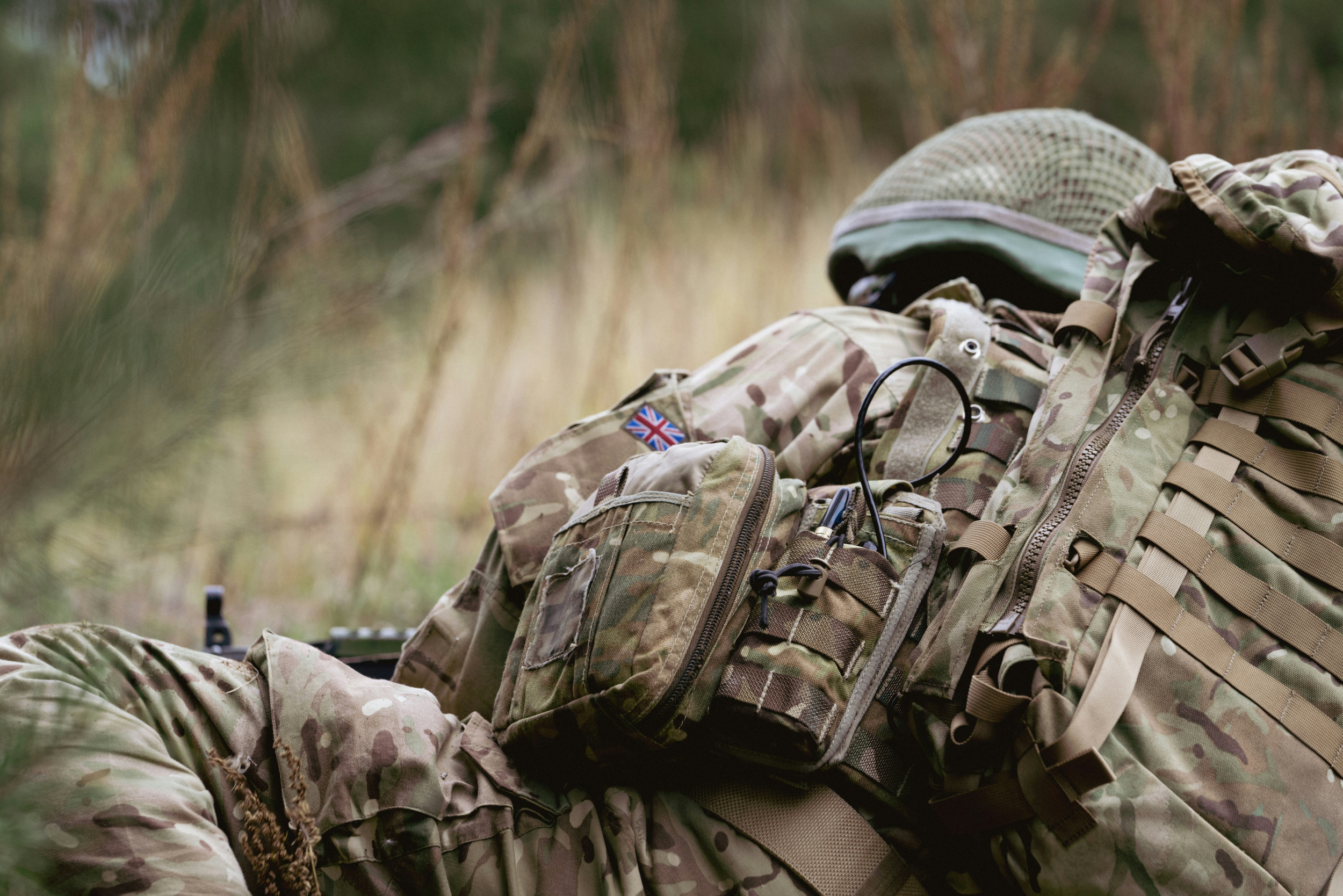
British military medics have carried out a rare airborne deployment to Tristan da Cunha in the South Atlantic after a suspected hantavirus case linked to a cruise ship outbreak triggered a medical emergency on one of the world's most isolated inhabited islands.
The operation, involving a parachute insertion from an RAF aircraft, delivered urgent medical support, oxygen supplies and diagnostic equipment to a community with extremely limited healthcare access.
The mission marks one of the most unusual UK military medical responses in recent years, reflecting growing concerns over infectious disease risks linked to international travel routes and remote populations.
The deployment was launched after asuspected hantavirus case was reported on Tristan da Cunha, a British Overseas Territory thousands of kilometres from the nearest continent.
The case is believed to be linked to passengers from the cruise ship MV Hondius, which has been associated with amulti-country hantavirus outbreakunder international monitoring.
Health authorities raised concerns after a patient on the island developed symptoms consistent with hantavirus following possible exposure during or after the voyage. With no airstrip and reliance on sea access, adverse weather conditions made evacuation and supply delivery by ship impossible.
Officials, therefore, authorised a rapid military medical deployment to stabilise the situation and support the island's limited healthcare capacity.
A team of British Army personnel, including paratroopers and military clinicians, was deployed via an RAF A400M Atlas aircraft and parachuted directly onto the island in what is described as the first UK humanitarian medical parachute insertion of its kind.
The mission included six paratroopers and two medical specialists who delivered around 3.3 tonnes of medical supplies, including oxygen systems, diagnostic kits and critical care equipment for the island's small medical facility.
The Ministry of Defence said the operation was coordinated with local authorities on Tristan da Cunha to ensure immediate integration into ongoing patient care.
Source: International Business Times UK
