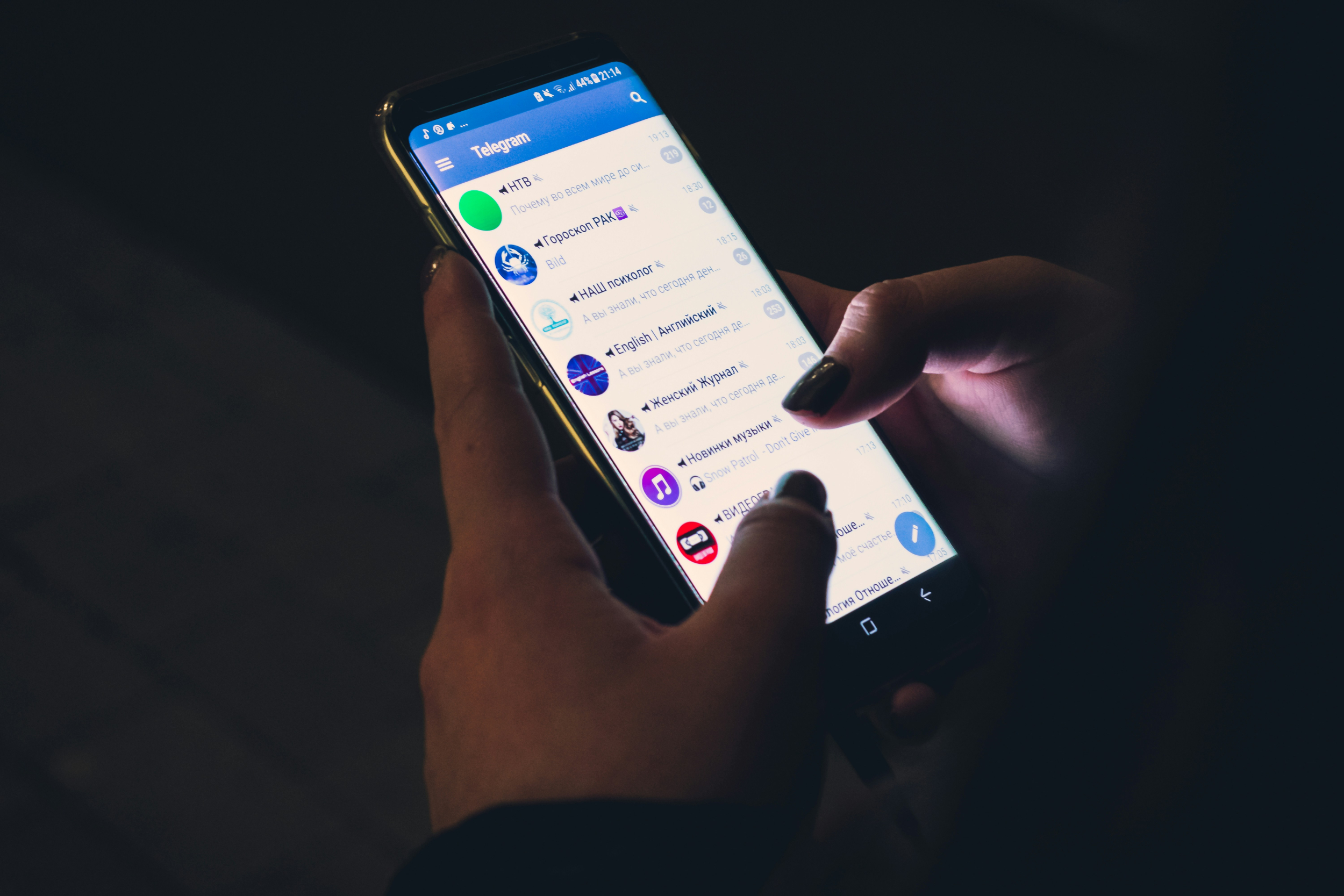
A disturbing new study has uncovered a massive digital network where thousands of men are allegedly using messaging apps to monitor women without their consent.
Research conducted by privacy experts reveals how private channels facilitate coordinated harassment and the sharing of sensitive media. As the scale of this covert activity comes to light, serious questions are being raised about the safety of popular communication platforms.
New findings from a European digital rights group show that thousands of men belong to hidden Telegram communities where they trade hacking equipment,spying programs, and stolen personal photos of women.
Data from the non-profitAI Forensics, which investigates digital risks, exposes how tech-driven harassment has exploded on a chat app used by over a billion people every month.
Researchers spent six weeks early this year tracking nearly 2.8 million messages across 16 Italian and Spanish-speakingTelegram groups, according to a report by WIRED. During this timeframe, they identified over 24,000 members who collectively traded more than 82,000 pieces of media, including photos, videos, and voice recordings.
These groups were caught promoting variousillegal services, such as breaking into social media profiles, gaining entry to private phone galleries, and providing software to track a partner's online moves. In one message translated by the team, a user offered to hack into any social media platform and promised, 'I hack and recover any type of social media service. I can spy on your partner's account.'
Although some content focused on famous individuals, the study emphasised that most targets are ordinary women, many of whom have no idea their photos are being circulated ormanipulated.
'We tend to forget that most victims are ordinary women who sometimes do not even know that their pictures are shared ormanipulatedin these types of channels,' saidSilvia Semenzin, a researcher at AI Forensics. 'The majority of this violence is directed towards people who the perpetrators know personally.'
Semenzin, who previously brought similar Italian Telegram groups to light in 2019, argued that the app should be labelled a 'very large online platform' under European safety laws. This change would force the service to operate under much tougher regulatory scrutiny.
A spokesperson for Telegram informed WIRED that the platform deletes 'millions' of posts daily through 'custom AI tools.' The company added that its European policies ban the promotion of violence and illegal sexual material, such as non-consensual images, as well as doxing and the trade of illicit products or services.
Source: International Business Times UK
