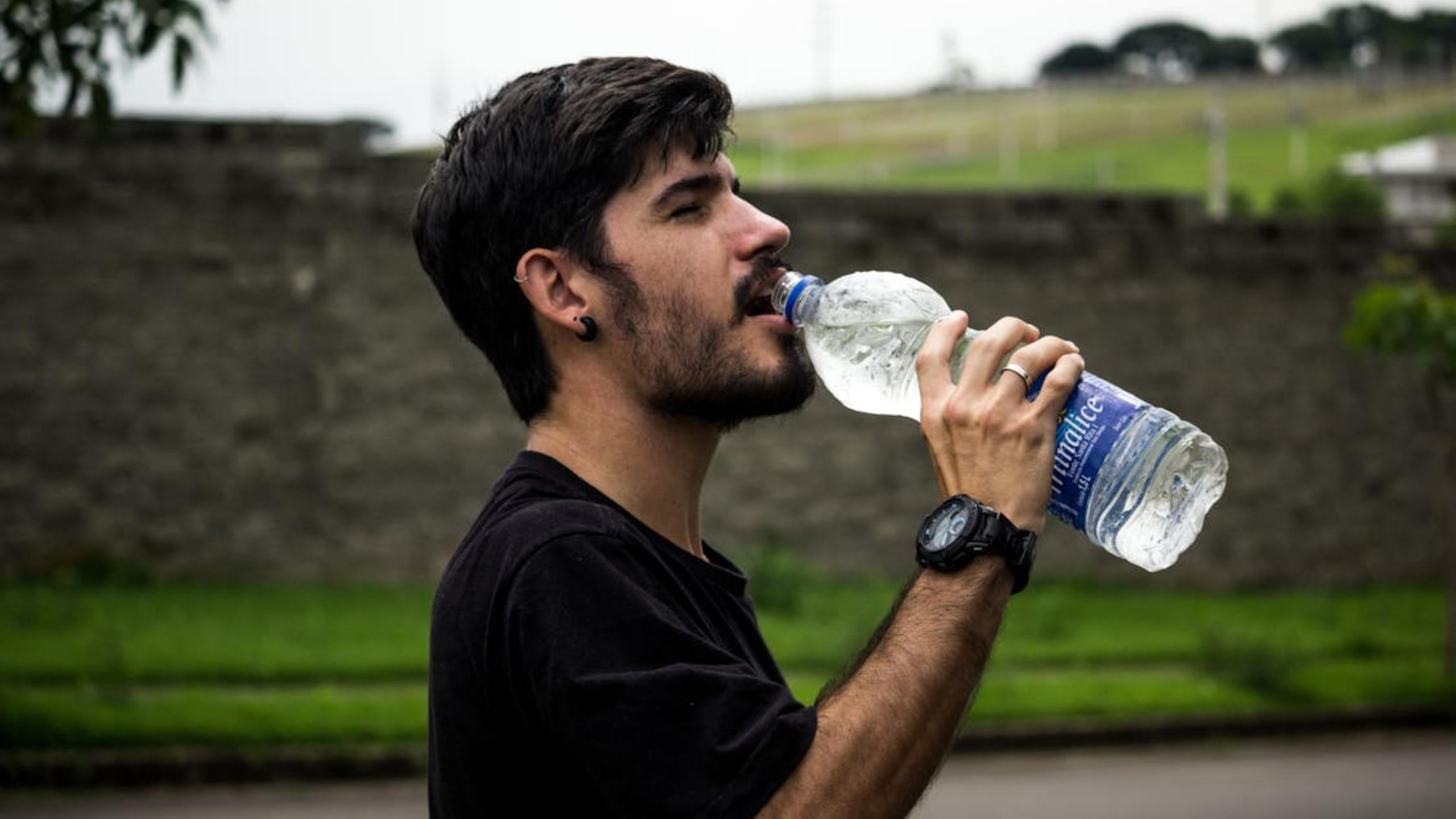
Millions of Muslims worldwide are gearing up for Ramadan 2026 amid widespread confusion over key fasting rules, particularly whether drinking water during daylight hours breaks the fast. Social media platforms and religious forums are flooded with debates as families and communities finalize their plans, making clarification on the holy month's start date and abstinence guidelines a pressing concern.
Ramadan 2026 is anticipated to commence on 18 February for most countries, though the precise start hinges on local crescent moon sightings. Saudi Arabia has urged Muslims to observe the moon on 17 February, while communities in the UAE, Indonesia, and parts of Europe might adhere to slightly varying dates based on traditional or astronomical methods.
The sacred month is projected to span 29 or 30 days, concluding around 20 March 2026 with the celebration of Eid al-Fitr. Such discrepancies in moon sightings can lead to neighboring communities beginning their fasts a day apart, fueling extensive online discussions.
Central to Ramadan is sawm, the practice of fasting, which entails complete abstinence from food, drink, smoking, and sexual activity from dawn until sunset. Drinking water is explicitly prohibited during these daylight hours, with pre-dawn suhoor meals offering essential sustenance before the fast begins and iftar meals marking its end at sunset.
Misconceptions about water intake are especially prevalent among newer observers and younger Muslims, but the rule is unequivocal: even a small sip from dawn to sunset invalidates the fast, necessitating that the day be repeated later. To safeguard health, participants are encouraged to hydrate thoroughly during suhoor and after iftar.
Fasting durations will differ significantly by location in 2026, typically ranging from 12 to 15 hours daily. For example, Muslims in London, UK, can expect about 14 hours, New York, USA, around 13 hours, the United Arab Emirates approximately 12.5 hours, and Stockholm, Sweden, up to 15 hours owing to extended daylight.
These variations pose challenges to daily routines, work schedules, and hydration strategies, underscoring the importance of preparation as the global Muslim community approaches this pivotal observance.
