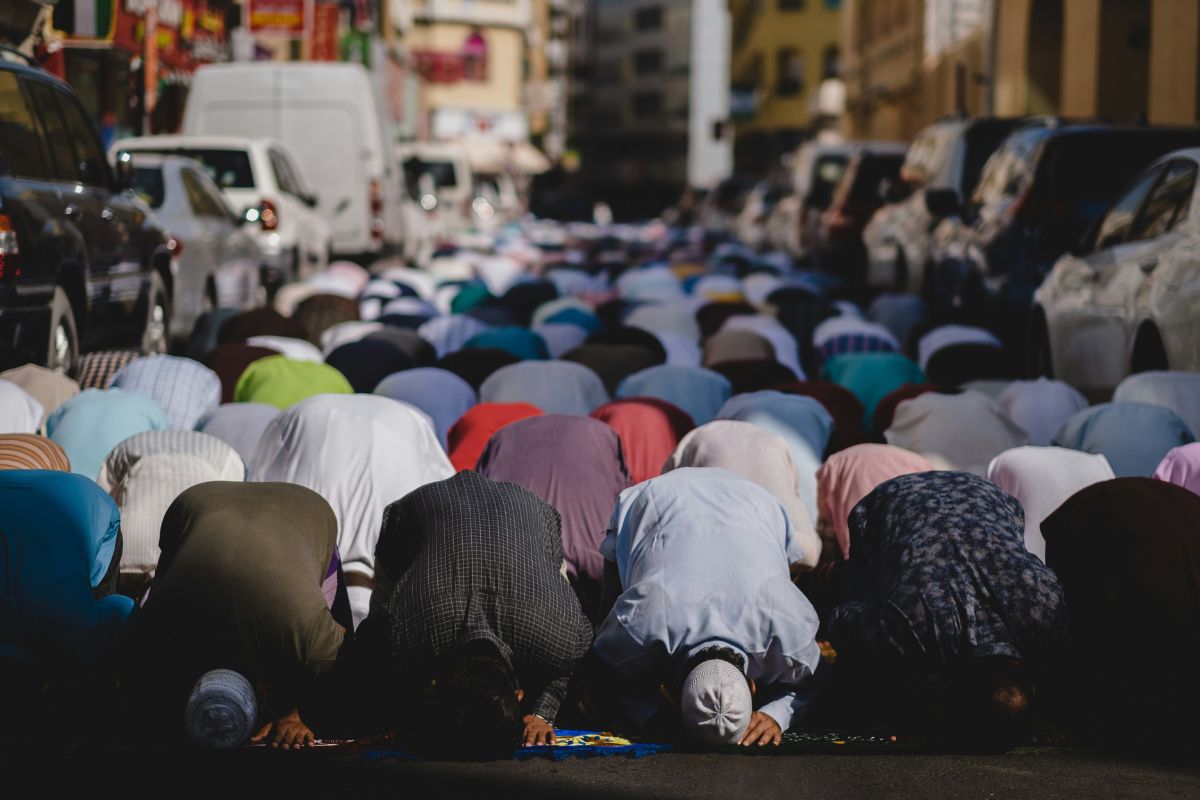
Rumors of an impending ban on Islam in Japan have exploded across social media following Prime Minister Sanae Takaichi's recent election victory, with viral posts claiming that a parliamentary video announces restrictions on halal foods, large mosques, calls to prayer, and street praying. The footage, shared widely online, depicts a formal address in Japan's parliament, which some users interpret as the unveiling of sweeping anti-Islam laws.
The controversy centers on a specific video clip accompanied by alarming captions, such as one post stating: "🚨🇯🇵 JAPAN UNVEILS NEW ANTI-ISLAM LAWS Halal - BANNED Large Mosques - BANNED Call to prayer - BANNED Praying in the street - BANNED They've basically said Islam is not welcome in Japan Go home," followed by a link to the footage.
However, fact-checks reveal no evidence of any Islam ban or related restrictions in Japan. Official government records, constitutional provisions, and coverage from Japanese media outlets confirm that the video has nothing to do with religious legislation. Instead, it features a standard constitutional declaration citing Article 7 of Japan's Constitution.
The exact words spoken in the video are: "By virtue of Article 7 of the Constitution of Japan, I dissolve the House of Representatives." This routine parliamentary procedure is unrelated to Islam, halal foods, mosques, or public prayers, as clarified by sources debunking the claims: "None of this is true and there is nothing whatsoever in this video about Islam."
Japanese broadcaster NHK and official records from the Diet, Japan's parliament, indicate that the session in question was primarily devoted to discussions on economic policy and defense matters. There was no mention of banning Islam, restricting halal food sales, or limiting mosque construction during the proceedings.
The spread of these false claims gained traction shortly after Prime Minister Sanae Takaichi's election win, highlighting how misleading videos can rapidly amplify misinformation on social platforms. Japan's Constitution, particularly Article 7, pertains to the Emperor's role in dissolving the House of Representatives on the advice of the Cabinet, a procedural step far removed from religious policy.
Experts and official statements emphasize that Japan maintains religious freedom under its constitution, with no recent legislative moves toward the restrictions alleged online. This incident serves as a reminder of the importance of verifying sources amid viral content, especially on sensitive topics like religion and national policy.
