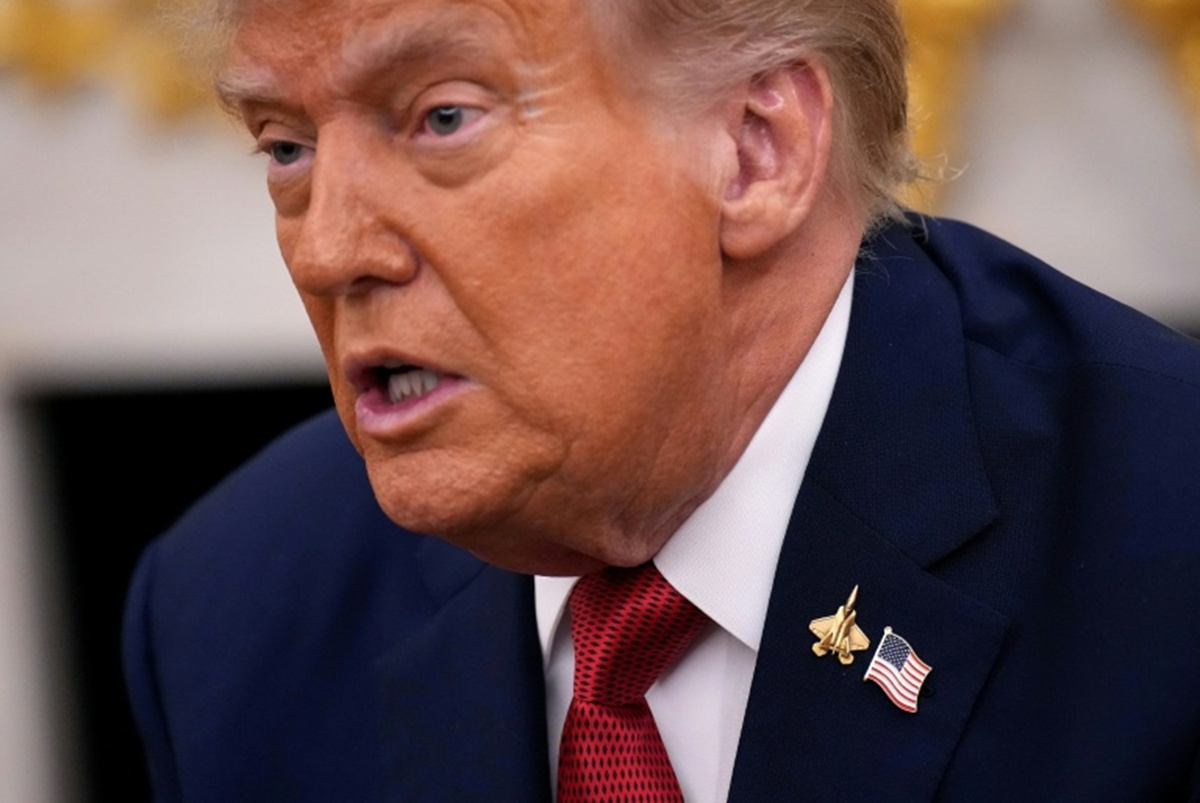
Donald Trumpis due to undergo another medical examination atWalter Reed National Military Medical Center in Maryland on 26 May, the White House has confirmed. The latest health check, hisfourth publicised exam of his second term, comes just weeks before his 80th birthday and amid renewed online rumours about his physical condition.
The announcement follows months of briefings, clarifications and reversals from Trump's own team over his health. Since returning to office, the White House has announced three separate visits to Walter Reed or other doctors, each time describing them as routine or preventive. Yet each visit has prompted fresh questions, and the frequency of the appointments is now drawing almost as much attention as any diagnosis.
Trump's medical scrutiny this term began last April, only months after his return to the White House, when he underwent what was described as his annual physical. The nearly five hour examination, conducted by White House physicianNavy Capt. Sean Barbabella, included blood work, cardiac tests, ultrasounds and cognitive screening.
Barbabella's written summary was emphatic. He said Trump was in 'excellent cognitive and physical health' and remained in 'excellent health, exhibiting robust cardiac, pulmonary, neurological, and general physical function'.
The issue did not end there. In July, Trump was seen by doctors again after photographers and other observers noted pronounced swelling around his ankles andbruising on his right hand.
White House press secretary Karoline Leavitt later said Trump had experienced swelling in his legs and underwent a 'comprehensive exam' that included vascular testing. He was diagnosed with chronic venous insufficiency, a condition in which veins in the legs struggle to return blood to the heart, causing blood to pool and swell in the lower limbs.
The White House had to admit Trump has chronic venous insufficiency. His body shows what they tried to hide: swelling hands, bruises under makeup. The lesions they called preventative care.A 79-year-old man rots at the empire's podium & we're told to act like all is well.pic.twitter.com/JppPsOmfOD
Leavitt also said the bruising on Trump's hand was consistent with 'tissue damage from frequent handshaking' while taking aspirin. In the months that followed, however, the president was also seen with bruising on both hands, prompting further speculation over whether the explanation was complete.
By October, Trump was back at Walter Reed for another assessment, initially described by Leavitt as a 'routine yearly checkup'. That raised new questions because his annual physical had already been documented in April. Trump later described the October visit as a 'sort of semi annual physical'.
According to a memo from Barbabella, the October appointment included 'advanced imaging, laboratory testing, and preventative health assessments' carried out by a multidisciplinary team of specialists. Pressed on what kind of imaging was used, Leavitt did not give a clear answer.
Source: International Business Times UK
