Campaigning has officially begun in Nepal for the country's first election since deadly youth-led anti-corruption protests rocked the nation, with nearly 19 million voters registered to participate, including 800,000 first-time voters. The March 5 vote marks a pivotal moment as the Himalayan nation seeks to chart its path forward amid widespread calls for reform.
Sushila Karki, serving as interim prime minister until the election, emphasized the high stakes ahead of the campaign launch. “This election will draw the future of the country,” she said, underscoring the significance of the upcoming ballot in shaping Nepal's trajectory.
The protests that preceded this election were sparked by a brief social media ban but quickly escalated due to deep-seated frustrations over economic stagnation and an ageing political elite perceived as out of touch with the populace. These youth-driven demonstrations turned deadly, fueling demands for accountability and change that have carried into the electoral contest.
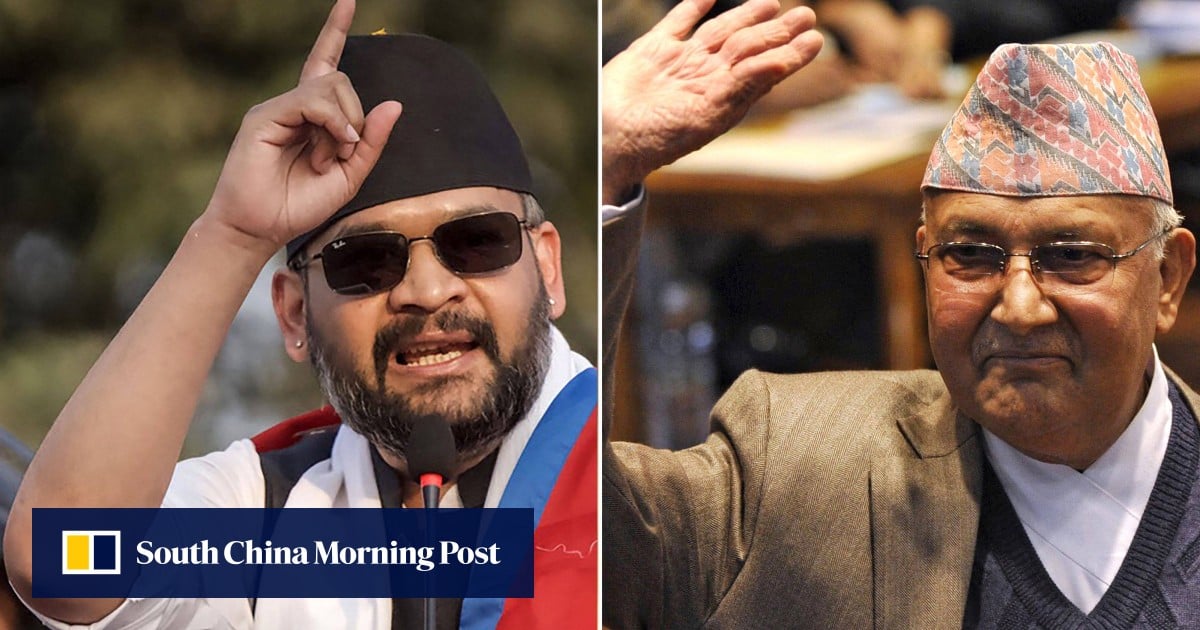
Over the next two weeks, candidates will crisscross the country to woo voters. A host of new, younger contenders are promising fresh approaches to address longstanding issues, positioning themselves as agents of transformation against the entrenched order.
Veteran politicians, in response, are highlighting their experience as a bulwark for stability and security. The clash between these generational rivals is expected to dominate the campaign discourse, reflecting broader societal tensions exposed by the recent unrest.
With such a large voter turnout anticipated, including a significant youth contingent, the election could reshape Nepal's political landscape. The interim government's oversight ensures the process moves forward as scheduled on March 5.
