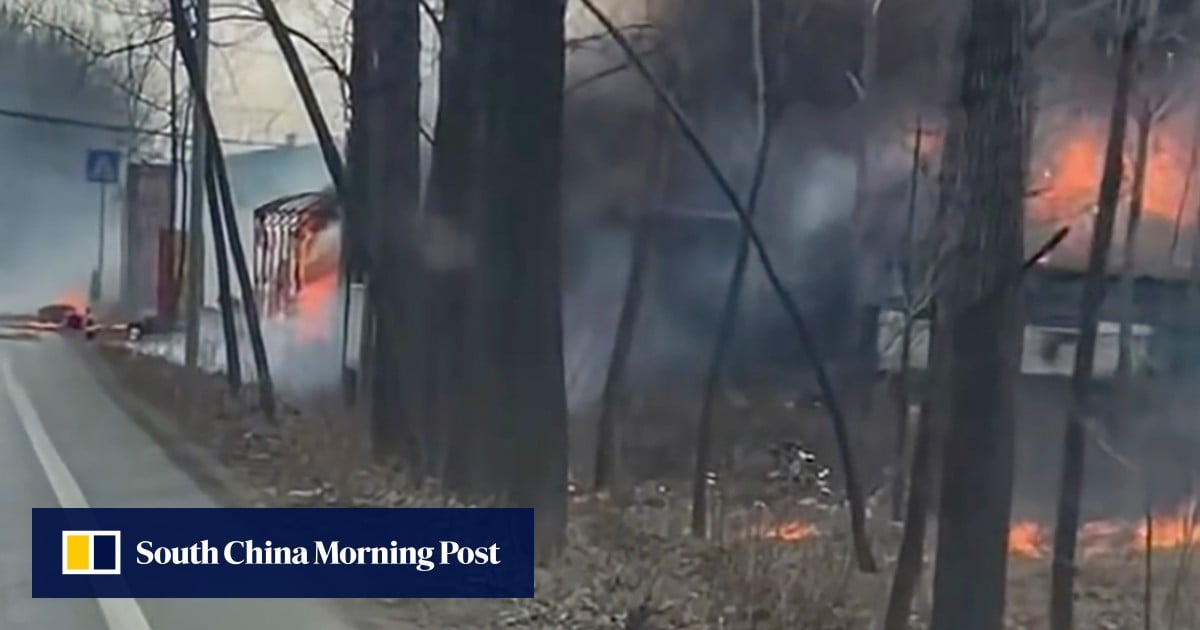
Eight people were killed in a devastating explosion at a fireworks shop on Sunday, marking a tragic start to China’s Lunar New Year holiday when pyrotechnics are at their peak popularity. The incident has triggered an urgent nationwide response from authorities, emphasizing the need for rigorous safety measures amid heightened demand for fireworks and firecrackers.
In a statement released on Monday, the ministry issued a directive calling on all regions to immediately bolster safety checks across the fireworks industry. Officials were urged to draw lessons from the Sunday explosion and enhance oversight at every stage, from production and transport to sales and use.
The statement followed a meeting presided over by Vice-Minister Xu Jiaai, who underscored the critical importance of preventing further tragedies. “All regions had to learn from the Sunday explosion and must strengthen the supervision of all stages of fireworks production, transport, sales and use,” the ministry declared.
Highlighting the resolve to safeguard public safety, the ministry stated, “[Officials must] resolutely prevent similar incidents from recurring.” This comes as fireworks and firecrackers see surging demand during the Lunar New Year celebrations, amplifying the risks associated with their handling.
Authorities mandated that all regions, along with fireworks businesses, conduct comprehensive assessments of safety risks and potential hazards. The focus is on identifying vulnerabilities in storage, distribution, and consumer use to mitigate dangers during this festive period.
The ministry's urgent call reflects broader concerns over pyrotechnics safety at a time when millions across China engage in traditional displays to welcome the new lunar year. The explosion serves as a stark reminder of the perils involved, prompting swift regulatory action.
With the holiday underway, the directive aims to ensure that celebrations proceed without further loss of life. Fireworks businesses have been specifically tasked with evaluating their operations, while regional governments oversee compliance to avert additional accidents.