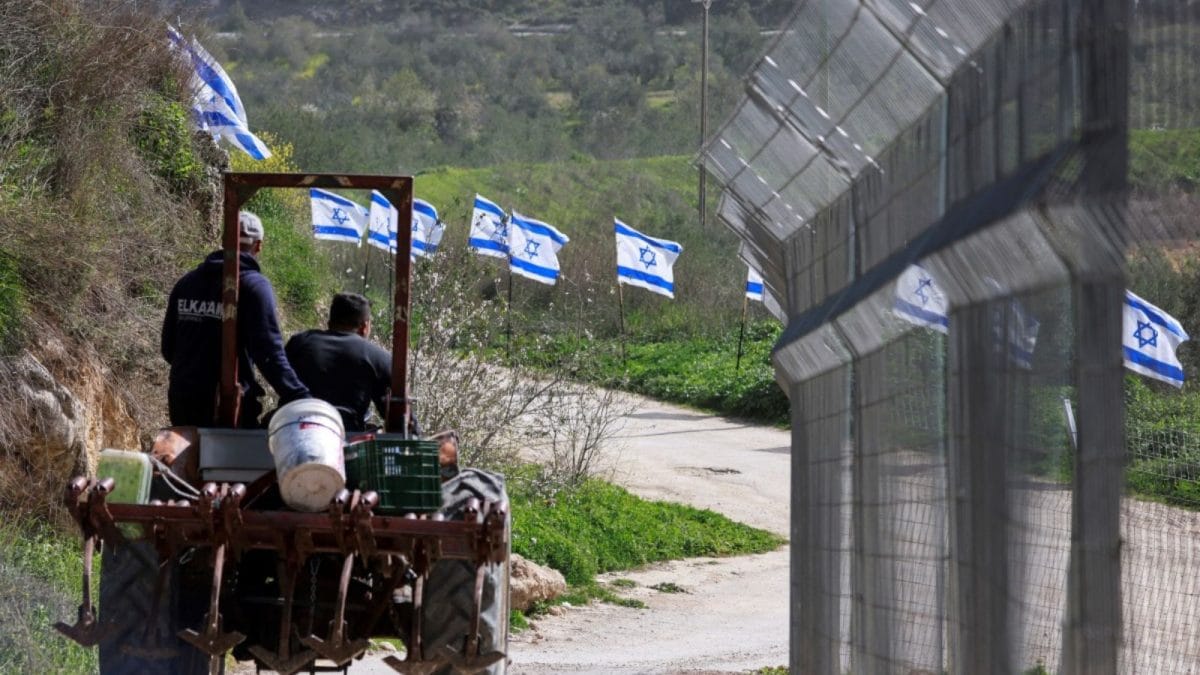
In a provocative escalation of the Israeli-Palestinian conflict, Israel's government has greenlit a landmark policy to initiate land registration across the occupied West Bank for the first time since the 1967 war, igniting accusations of a "mega land grab" and drawing sharp rebukes from Palestinian leaders, civil society groups, and international observers.
The policy, detailed by The Jerusalem Post, targets extensive areas in Area C of the West Bank—territory under full Israeli control—where land would be formally registered as state property unless individuals provide documented proof of private ownership. Proponents argue that restarting the registration process, dormant since Israel's occupation of the West Bank in 1967, will deliver legal clarity and minimize disputes in a region plagued by an opaque land system.
Critics, however, decry the measure as "draconian," warning that decades of bureaucratic hurdles and lost historical records will leave many Palestinians unable to substantiate their claims. As a result, vast swaths of land could default to Israeli state control, effectively shifting ownership from Palestinian hands to the Israeli government. Some estimates indicate this could impact a large portion of Area C.
This initiative forms part of wider Israeli efforts to solidify control over the West Bank, including easing restrictions on land sales to Israeli citizens and overhauling planning authorities, according to a report in The Week. Palestinians and global watchdogs contend these steps erode the viability of a future independent Palestinian state.
Reuters highlighted the historic nature of the decision, marking the first formal land registration in the West Bank since the 1967 conflict. The move has amplified longstanding tensions over land rights in the disputed territory.
Palestinian authorities, advocacy organizations, and several foreign governments have branded the policy "de facto annexation" of occupied land, asserting it contravenes international law. Condemnation has also emanated from multiple Middle Eastern nations, potentially hindering diplomatic overtures and peace negotiations.