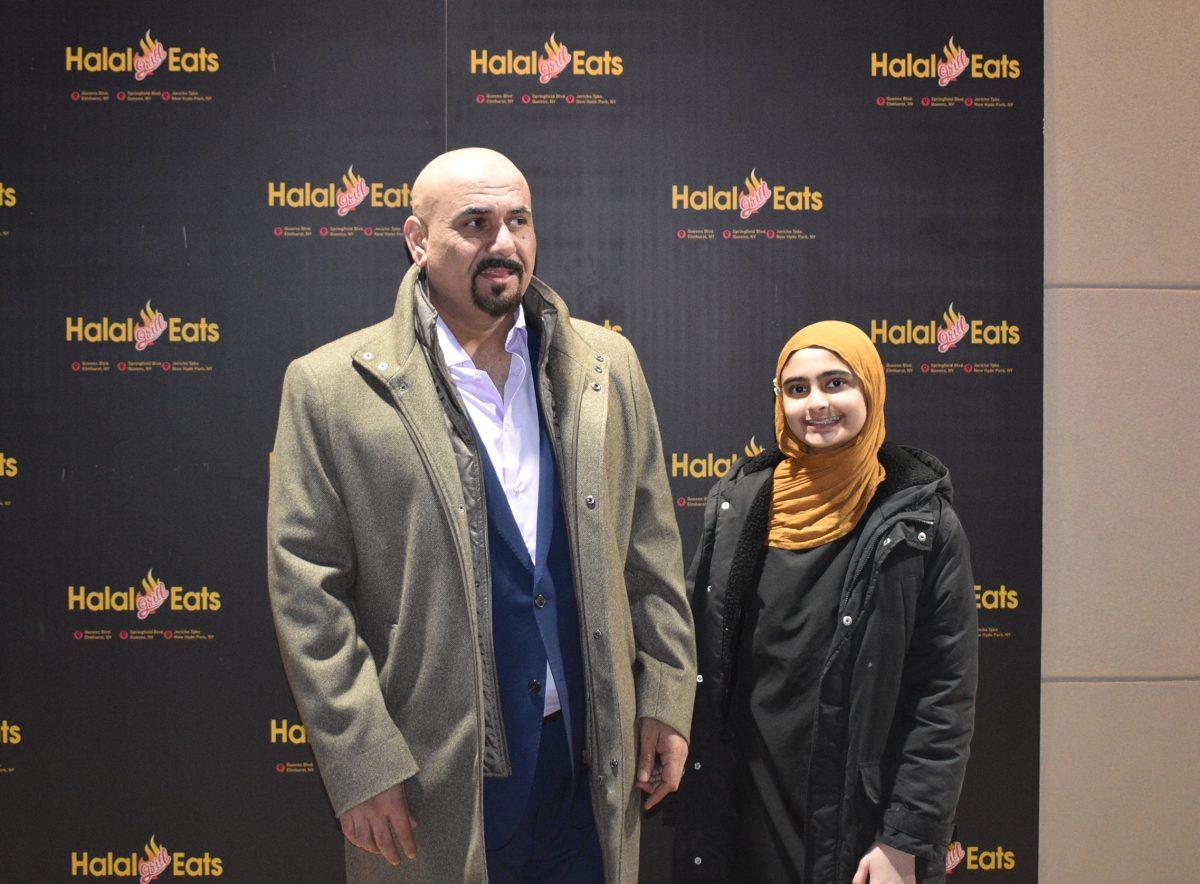
In the heart of Long Island's diverse Hempstead neighborhood, Halal Grill Eats has become more than just a spot for sizzling kebabs and flavorful biryanis—it's a beacon of inclusivity under the vision of owner Rashid Malik. Malik, a Pakistani immigrant who opened the eatery five years ago, recently announced plans to expand community outreach efforts, vowing to "feed the whole community" regardless of background, faith, or dietary preferences. His bold statement comes at a time when cultural divides have simmered in local discussions, positioning the modest grill as a potential unifier through shared meals.
Malik's initiative builds on the restaurant's reputation for generous portions and affordable prices, drawing a steady mix of Muslim families, Latino workers, and even curious suburbanites venturing from nearby towns. "Food doesn't discriminate," Malik told reporters during a bustling lunch rush, flipping burgers on the grill while plates of halal-certified chicken tikka masala steamed nearby. He revealed plans for weekly community dinners starting next month, featuring halal options alongside vegetarian and seafood dishes to accommodate everyone—from Orthodox Jews observing kosher-like standards to vegans seeking plant-based alternatives.
The push stems from Malik's own journey: arriving in the U.S. two decades ago with little more than a recipe book from his mother, he navigated post-9/11 suspicions and economic hurdles to build a thriving business. Local tensions, including recent debates over halal certification in public schools, prompted him to act. "I've seen neighbors argue online about what we eat, but when they sit down together here, the walls come down," Malik said. Community leaders, including Hempstead Village Trustee Vanessa Gomez, praised the effort, noting it could foster dialogue amid rising immigration debates.
Challenges remain, however. Sourcing ingredients that meet strict halal standards while appealing broadly requires meticulous supplier vetting, and Malik has invested in training staff on cross-cultural sensitivities. Early feedback from pilot events has been overwhelmingly positive, with one patron, a lifelong Hempstead resident, declaring, "This is what America looks like—everyone eating good food together." Analysts see this as a microcosm of broader cultural integration trends, where immigrant-owned businesses lead in bridging divides through everyday acts like sharing a shawarma plate.
As Halal Grill Eats prepares for its first community feast, Malik's vision underscores a simple truth: in a polarized era, a full stomach might just pave the way for understanding. With word spreading via social media and local flyers, expect lines out the door—and perhaps a model for other eateries nationwide.