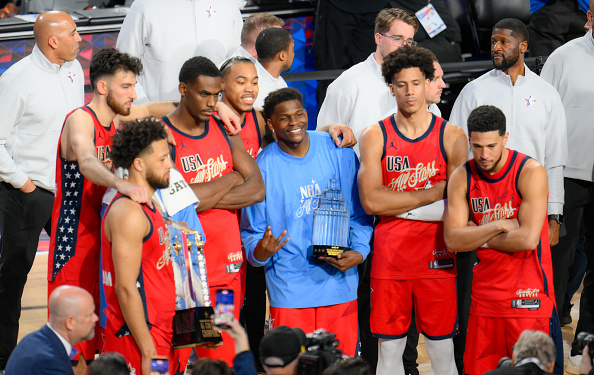
Inglewood, Calif., hosted the NBA All-Star Weekend 2026, but one strong performance on Sunday's finale failed to mask the league's deepening identity crisis. While the event concluded with a pulse of excitement, the preceding days left most fans questioning the value of tuning in, especially at such an unconventional hour.
The finale on Sunday provided a brief highlight, offering a glimmer of the entertainment NBA fans crave. However, this single good night was not enough to redeem the entire weekend, as the bulk of the programming failed to captivate audiences accustomed to higher standards.
NBA All-Star Weekend was once considered appointment television, drawing millions to their screens without hesitation. The event's decline underscores a broader struggle within the league to recapture that magic and relevance.
Flash back to 1988, when the Dunk Contest became must-watch drama. Michael Jordan and Dominique Wilkins delivered a heavyweight title fight on the court, with every NBA fan in America glued to their seats, mesmerized by the athletic spectacle.
Contrast that era with the 2026 edition in Inglewood, where the strange timing and lackluster buildup contributed to widespread fan apathy. The weekend's structure and execution highlighted why many now wonder if the effort to watch is worthwhile.
Adding to the scrutiny, NBA Commissioner Adam Silver faced questions during his annual press conference, which was described as highly orchestrated. Silver skirted direct accountability, leaving lingering concerns about the league's direction unaddressed.
Ultimately, saving the best for last in Inglewood proved insufficient to revive enthusiasm for NBA All-Star Weekend. The highs of Sunday paled against the very low lows of the rest, signaling persistent challenges for the league's future.